Chronicle Editor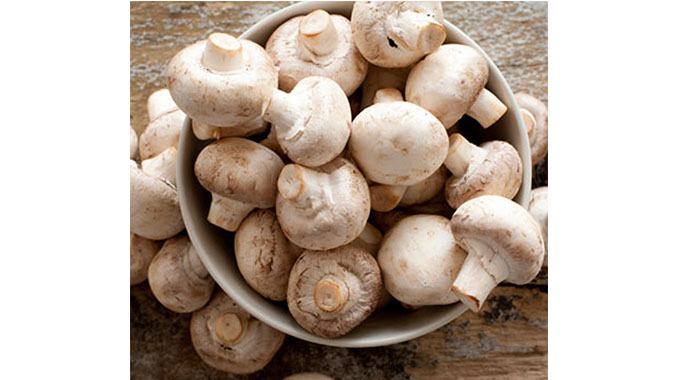
Judith Phiri, Sunday News Reporter
FARMERS have been urged to prioritise growing indoor mushrooms as there are growing concerns over outdoor mushrooms likely to be poisonous.
Every year scores of people, especially in the rural areas die in the country after eating mushrooms. Wild mushrooms are plenty during the rainy season and many rural families gather them for household consumption and for sale.
Department of Agricultural Technical and Extension Services (Agritex) Bulawayo provincial horticultural specialist, Ms Treggie Mpofu encouraged farmers to grow indoor mushrooms as there are various concerns pertaining to outdoor mushrooms. “You can grow mushrooms throughout the year if you are having indoor production”.
“The problem with outdoor mushrooms that grow naturally which are found by the anthill is that they can be contaminated. Usually the seeds are transported by ants which take them from the tree and into the anthill. So, some of the trees release toxins and when the ants carry the mushroom seeds they will be already contaminated,” said Ms Mpofu.
She advised people to first scan the environment and check what type of trees surround the area where the outdoor mushrooms grow before harvesting them for consumption. She also added that temperature regulation and humidity were important for indoor mushroom production.
“Indoor mushrooms are the best for business as the crop has an insatiable market. Our region here if even it’s the rainy season, is hot and it affects the mushrooms. The room or greenhouse where they are grown must have regulated temperatures and controlled humidity as well. You can humidify using neflet sprayer, heavy-duty humidifiers or low-tech technology. Above all the room has to stay cool and there has to be air ventilations that allows air circulation,” she said.
Ms Mpofu added that when growing indoor mushrooms farmers have to use the correct substrate, as soil is not used for mushrooms such as oysters. Substrate refers to any material that is a food source and growing medium for the mushroom mycelium.
These could include banana leaves, thatch grass, sugar cane taffeta that have been crashed or maize stocks crashed as well and cotton seeders. She added that indoor mushrooms need great care and management for them to grow well, hence, water, proper seed, correct tubing and the right substrates were essential.
“Water is needed and it has to be clean, farmers should purchase mushroom seeds from reliable sources and with the correct use substrate you are good to go. Use tubing plastic instead of orange sacks because they allow too much air which causes the mushrooms to dry up so fast. Make holes on the plastic tubing for aerobic respiration to take place,” said Ms Mpofu.



 Temba Dube