


 Andrew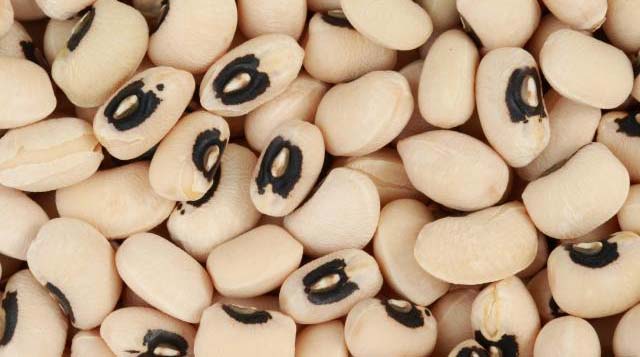
Word from the market
Cliff Chiduku
Last week, a non-governmental organisation wrote to the Agricultural Marketing Authority (AMA), seeking a support letter so that it can import 750 tonnes of cowpeas from Mozambique.
The consignment is meant for distribution in rural areas in its humanitarian work.
Upon being asked why the organisation intends to import cowpeas, one of the officials said they had tried in vain to get the legume locally.
“We are currently engaged in humanitarian work in rural areas, so cowpeas are one product that we distribute. It is unfortunate that we had to import the crop from the neighbouring county as we could not get it locally,” a humanitarian organisation official, who requested anonymity, said.
The official said they prefer distributing cowpeas because they can be made into a nutritious ready-to-eat meal, especially for children. One wonders why Zimbabwe imports cowpeas, when the country is endowed with good climatic conditions and good soils to grow the crop. The legume thrives even in arid regions and with climate change taking its toll on Zimbabwe, the growing of indigenous crops is one of the effective ways to adapt, mitigate and reduce climate change risks.
The Covid-19 disruptions have reminded us of the need for policies that reduce reliance on food imports, protect local food systems and create local employment opportunities.
Through the Pfumvudza/Intwasa programme, the Government is playing its part by supporting small-holder farmers to produce indigenous food crops that are suitable for local environments. First Lady Dr Auxillia Mnangagwa is doing a splendid job in promoting the eating of traditional foods such as mutakura and rupiza, which can be made from cowpeas.
Cowpeas are such food crops; they are indigenous to Africa. Cowpeas are a pulse legume similar to common beans. It is a vital crop with multiple food uses. The legume can be used as food for humans and animals. It is believed to have originated, and was domesticated, in Southern Africa, but later moved to other parts of the world. The legume is rich in protein, vitamins and minerals. No wonder it is preferred for supplementary feeding. The plant tolerates drought, thrives in a variety of soils and being a legume, it replenishes low-fertility soils.
Cowpeas are a cost-effective source of nutrition to improve the diets of low-income consumers and offers vast income-generation potential in many rural drought-prone communities. According to FAOSTAT, cowpeas are grown on more than 13 million hectares in Africa, with the bulk of production occurring in West Africa, especially in Nigeria, Niger, Burkina Faso, Mali and Senegal.
Cowpeas are grown across the world on an estimated 14,5 million hectares of land, planted each year, and the total annual production is 6,2 million tonnes. About 84 percent of the world’s production area is in Africa, and 83,4 percent of the world’s overall production of cowpeas is from the continent, with over 80 percent of African production in West Africa.
Although Zimbabwe has good soils and climate suitable for cowpeas farming, little is known about its production statistics. Analysts believe that despite Zimbabwe possessing the potential to be a big player in cowpeas farming, production of the legume has generally remained low.
“Not much economic value has been put on the crop other than hand-to-mouth; the consumption of the crop at national level is low, hence the low demand to produce it. Lack of incentives to produce cowpeas at a commercial level makes it difficult to sustain certain production levels,” National Tested Seeds agronomist Munyaradzi Chichevo said.
“The production of cowpeas in Zimbabwe is hindered by the lack of access to modern technologies such as improved varieties and the accompanying crop and pest management practices, inputs such as fertilisers and poor input and output market access,” another agronomist Luke Parara said.
However, Zimbabwe has a high potential for the production of various crops, as more than 66,5 percent of the arable land is very suitable for cowpea production.
The lack of information and sustained production is indicative of the fact that the production of cowpeas is dominated by small-scale farmers.
Agronomic practices
Cowpeas grow in a wide range of soils, but thrive in well-drained clay and loam soils. Local seed manufacturer National Tested Seeds has several cowpea varieties that can do well in Zimbabwe, but the most recommended one is Cowpeas CBC2.
This is a very early maturity variety (75-85 days), which is drought and disease-tolerant and produces high yields (up to 4 tonnes per hectare). Others are Cowpeas IT18, CBC1 and CBC3. To get the best out cowpeas farming, Mr Chichevo urged farmers to engage in good agronomic practices.
“Farmers should avoid the use of the same grain from the granary over and over again, as it becomes susceptible to diseases, less yielding and less vigorous. Timely weeding, that is, early weeding, before canopy emerges, is encouraged.
“Pest management is also key if farmers want to get good yields,” he added. For a country faced with gaps in food systems, the need to incorporate a variety of crops such as cowpeas to complement other food crops to improve nutrients intake and contribute to climate-smart and sustainable agricultural practices in Zimbabwe, as espoused in the National Development Strategy 1, can never be overemphasised.
Word from the market is a column produced by the Agricultural Marketing Authority (AMA) to promote market-driven production. Feedback [email protected] or WhatsApp/Call +263781706212.



 Bongani Ndlovu
 Online Reporter