admin
admin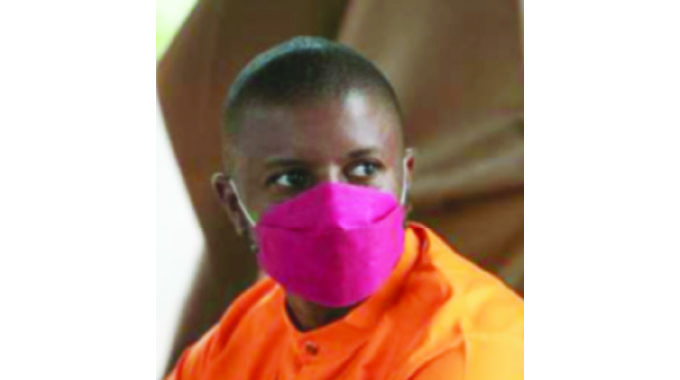
MAPUTO. — Nineteen people, including state security officials, went on trial for a “hidden debt” scandal that crashed the country’s economy.
A court in Mozambique has sentenced the son of a former president, two ex-spy bosses, and eight others to years in prison for their part in a corruption scandal in which the government sought to conceal huge debts, triggering financial havoc.
The 11 were found guilty and sentenced on Wednesday on charges related to a $2bn “hidden debt” scandal which saw hundreds of millions of dollars in government-backed loans disappear and crashed the southern African nation’s economy.
Nineteen individuals, including state security officials, were put on trial on charges such as money laundering, bribery and blackmail; the remaining eight were acquitted by the court in Maputo.
Armando Ndambi Guebuza, son of former president Armando, was sentenced to 12 years in prison, while others who were convicted were handed sentences of between 10 and 12 years.
“Armando Ndambi Guebuza showed no remorse for committing the crime and he maintains that he has been targeted for political reasons,” Judge Efigenio Baptista of the Maputo City Court said.
“Ndambi still does not reckon that he wrongfully benefited from $33m that the Mozambican people badly need.”
Two top intelligence service officials, General Director Gregorio Leao and head of the economic unit, Antonio Carlos do Rosario, were also each sentenced to 12 years in prison.
Leao and do Rosario were found guilty of embezzlement and abuse of power, while Ndambi Guebuza was convicted for embezzlement, money laundering and criminal association, among other charges.
The judge said those convicted had by their actions helped impoverish Mozambique’s people.
“The defendants tarnished the good image of the country abroad and in the international markets, with enduring and hard-to-repair effects,” he said.
The scandal arose after state-owned companies in the impoverished country illicitly borrowed $2bn in 2013 and 2014 from international banks to buy a tuna-fishing fleet and surveillance vessels. The government masked the loans from parliament and the public.
When the “hidden debt” finally surfaced in 2016, the International Monetary Fund (IMF) and other donors cut off financial support, triggering a sovereign debt default and currency collapse. An independent audit found $500m of the loans had been diverted. The money remains unaccounted for. — AJ News



 Online Reporter