Online Reporter
Gibson Mhaka, Senior Reporter
THE community-led Gukurahundi outreach programme has entered its final phase, with relevant authorities intensifying the transcription of testimonies and completion of outstanding hearings as the country moves closer to a major milestone in its national healing and reconciliation process.
The programme, spearheaded by traditional leaders under the Second Republic’s broader peace-building and nation-building agenda, is expected to culminate in a comprehensive report that will be submitted to President Mnangagwa and guide the next phase of restorative measures for affected communities.
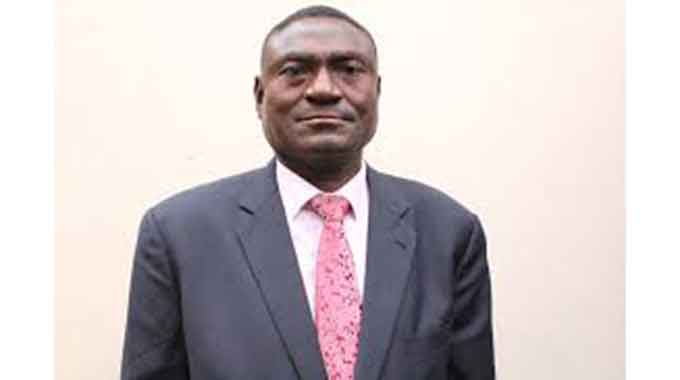
In an interview, Attorney-General Mrs Virginia Mabiza, who heads the secretariat of the Matabeleland Peacebuilding Outreach Programme, said the exercise has made significant progress, particularly at the Co-ordination Centre in Bulawayo, where thousands of testimonies gathered from communities across Matabeleland and parts of the Midlands are being processed.
“As of 6 May 2026, the Co-ordination Centre in Bulawayo continues to make steady progress in transcribing audio testimonies recorded during the community outreach programme,” said Mrs Mabiza.
“To date, the cumulative total of transcribed audio recordings is 8 929. The programme is currently in its final phase and efforts are being intensified to fast-track both the transcription and the completion of the remaining community hearings.”
The outreach programme was officially launched by President Mnangagwa in July 2024, with hearings commencing in June last year under the leadership of chiefs who were tasked with facilitating community engagements rooted in local customs, trust and dialogue.
The process seeks to address the painful legacy of the disturbances that affected Matabeleland and parts of the Midlands in the early 1980s, commonly referred to as Gukurahundi, through what the Government has described as a home-grown and victim-centred approach to reconciliation.
The disturbances occurred during a tense post-independence period marked by political and security instability following the country’s liberation struggle. In 1987, the signing of the Unity Accord between the late former President Robert Mugabe and the late Vice-President Dr Joshua Nkomo brought an end to hostilities and paved the way for political stability and national integration. The agreement led to the unification of Zanu-PF and PF-Zapu.
The initiative places traditional leaders at the centre of the process, allowing affected families and survivors to share their experiences in culturally familiar and less confrontational settings.
The programme is a significant step towards acknowledging past grievances, rebuilding trust and fostering social cohesion in communities that have carried emotional scars for decades.
Since coming into office in 2017, President Mnangagwa has repeatedly acknowledged the need to confront unresolved national issues through dialogue and engagement. He has consistently described Gukurahundi as a “closed chapter” politically, while emphasising the need for communities to find healing through inclusive discussions led by traditional leaders.
The Second Republic has also framed the initiative within its broader policy thrust of national unity, peace-building and inclusive development. The initiative also aligns with the Government’s philosophy of “leaving no one and no place behind”, while reinforcing calls for peace, coexistence and restorative justice.
Mrs Mabiza said once the transcription exercise is complete, authorities will move to the final stage involving consolidation, verification, analysis and reporting of the testimonies gathered during the hearings.
“Once the transcription process is complete, the programme will enter the final stage of data consolidation, verification, analysis and reporting. A comprehensive report will be compiled, capturing the testimonies, grievances, and perspectives of the affected communities,” she said.
“This report will be submitted to His Excellency, the President and will serve as the foundation for the next steps in the national healing, reconciliation and policy development process.”
Mrs Mabiza said the Government remains committed to ensuring that the process remains inclusive, transparent and centred on the needs of victims and affected communities.
“The final report, together with recommendations, will be submitted to His Excellency, the President, once all testimonies have been fully transcribed and the data have been consolidated and analysed,” she said.
“Given that processing is already underway alongside the transcription exercise, the report is expected to be completed and submitted promptly after the conclusion of the programme. Government remains committed to a transparent, inclusive, and victim-centred process that advances national healing and reconciliation.”
Traditional leaders facilitating the hearings have repeatedly emphasised the importance of healing fractured relationships, restoring dignity to affected families and creating conditions for future generations to move forward united.
The programme is expected to produce recommendations that will shape future interventions aimed at deepening reconciliation, preserving community harmony and strengthening national cohesion.