Chronicle Editor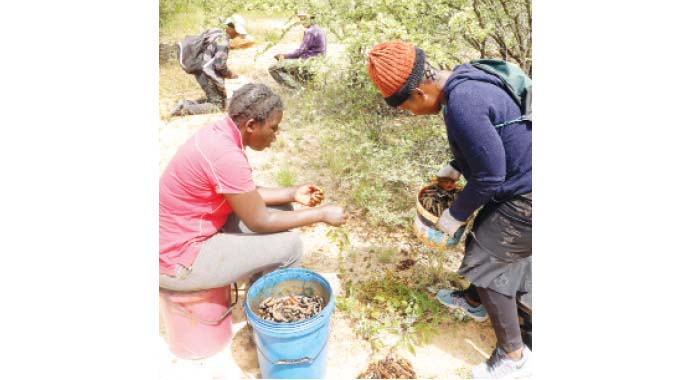
Sukulwenkosi Dube-Matutu , Matabeleland South Bureau Chief
GWANDA Rural District Council is finalising new environmental and natural resources conservation by-laws that will among others regulate the harvesting of amacimbi, giving preference to locals.
The by-laws seek to control access and utilisation of natural resources.
In an interview, Gwanda Rural District Council chief executive officer, Mr Ranganai Sibanda said the by-laws were long overdue as the local authority has been using regulations that were crafted in 1995 which are now outdated.
He said community members have welcomed the development and were looking forward to the gazetting of the new by-laws.
“We have come up with environmental and natural resources conservation by-laws which seek to control natural resources management and protect the environment.
We want to control among other things cutting of trees and harvesting of mopane worms. We have completed the consultation process in all our wards and we will be finalising our document for submission to the parent ministry,” he said.
On mopane worms, the by-laws read: “No person is allowed to harvest, collect or pick for sale or commercially trade in amacimbi, fruits or other forest produce in the council area, except in terms of a permit issued in terms of the Communal Forest Produce Act (Chapter 19:04) and under the following conditions.
Any person who is involved in commercial exploitation or collection for sale of forest produce is required to notify Council in writing; provided Council shall always seek ways of ensuring that the local inhabitants shall be given preference in accessing forest produce than people from other areas outside the Council area and Council may regulate or impose a fee for access.”
Mr Sibanda said council, working with local leaders, will maintain a record of people or entities involved in the picking, collection or harvesting of mopane worms, fruits or other plant produce for sale in the council area.
He said the by-laws will also regulate collection or removal of rock, gravel, stones, sand or pit sand, slates, pebbles, clay, and lime.
He said the new regulations also seek to ensure protection of water sources, protection of wildlife and indigenous plants, refuse removal and guard against air pollution, littering, use of hazardous substances and toxic chemicals, and regulate solid and effluent waste management.
The local authority last year drafted by-laws to control livestock marketing and the buying and selling of livestock which have been submitted to the Ministry of Local Government and Public Works and are awaiting submission to the Attorney General’s office for finalisation.
Mr Sibanda said the buying and selling of livestock by-laws seek to fight stock theft cases which were being recorded as a result of illegal cattle sales.
According to the livestock by-laws, no one will buy or sell livestock for commercial purposes without a permit from council. Buyers are to buy livestock from livestock sales organised by council.
Mr Sibanda said the district has natural resources such as mopane worms, but locals were not benefiting much from them and these by-laws will address this anomaly.
He said there are a lot of environmental degradation which was recorded as a result of activities of mopane worm harvesters from other districts who swarm Gwanda cutting down trees to harvest mopane worms prematurely, defecate in the open and cause littering.
He said by-laws will control grazing of animals and govern the number of livestock which may graze in an area and whose animals may graze in an area. Some areas will be fenced off.
Measures will be taken to ensure the conservation of grazing lands in the area. The regulations will also govern cultivation of land.
Mr Sibanda said the new regulations will also control the burning of vegetation and prevent fire occurrences.
They will also ensure protection of wetlands, regulate deforestation through cutting of trees and exploitation of forest produce such as mopane worms.
“Any person or inhabitant who grazes livestock in an undesignated area for grazing shall be guilty of an offence and liable to pay a fine to be prescribed in a council order as may be determined from time to time.
The by-laws will also ensure conservation of natural resources areas, specify waste management sites and ensure environmental rehabilitation works on abandonment of project,” reads the by-laws.
“Any person who undertakes any mining projects, resource extraction projects or any other projects for commercial exploitation of natural resources with the effect of causing environmental damage or environmental degradation or harm in the Council area shall submit to council a rehabilitation plan containing rehabilitation works that will be undertaken before abandonment or closure of the project and rehabilitate the environment before abandonment or closure of the project.”
— @DubeMatutu



 Online Reporter