Online Reporter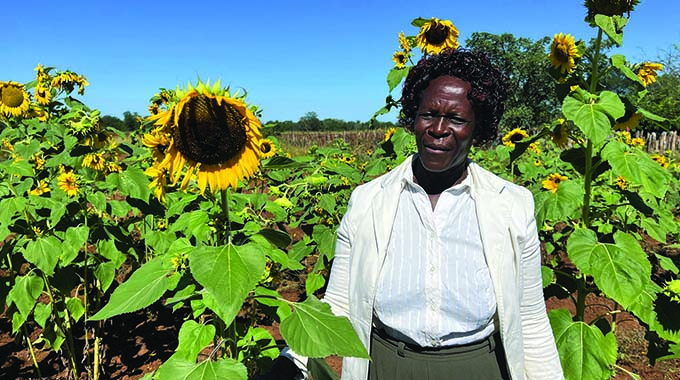
Sukulwenkosi Dube-Matutu, [email protected]
AN elderly couple from Crystal Springs Ward 23, Gwanda District, has adopted an integrated approach to farming where they grow an array of crops and rear livestock to ensure maximum utilisation of their land and draw sustainability from the venture.
Mr Misheck Sibanda (74) and his wife, Simangaliso (60), gained vast knowledge in farming, which they have passed down to their children and workers following years of experience living in the district and noticing agricultural trends and changes.
The couple also has sunflowers, tomatoes and butternuts in their fields and recently hosted a sorghum field day where they showcased their 11 hectares of small grains.
They have been producing small grains for the past four years, marking a shift from the traditional maize crop after realising it was not doing well.
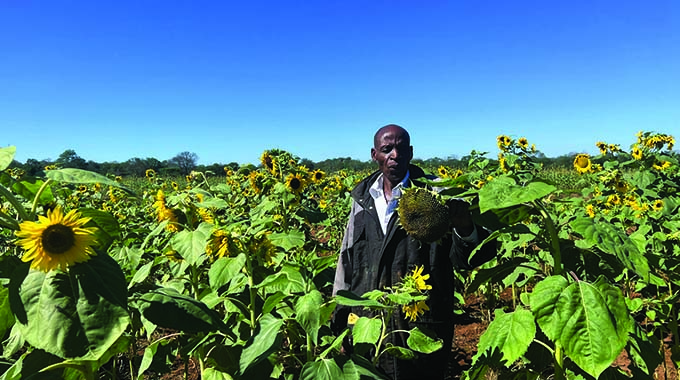
“We got this land in 2000, and we have been building our farming enterprise gradually. We started by growing maize and now we are mainly into producing small grains,” said Mr Sibanda.
“This year we also have sunflower, which we will use to feed chickens, as we want to start a road runner project. After harvesting my sorghum, I will make silage and have identified space for it.”
Horticulture production is providing lucrative gains for the couple, who have also set up an orchard for increased fruit production.
“My wife introduced butternuts this year, which we will also be selling. With this amount of land, I can produce to feed my family, as well as for the market,” said Mr Sibanda.
As tribute for benefitting from the land reform programme, which saw them move to become commercial farmers, the couple said each year they deliver their produce to the Grain Marketing Board.
The improved yield is enhanced by supportive extension services and sensitivity to climatic conditions guided by the ecological regional rainfall patterns.
“Farming is a business, and as such, it requires a certain level of training so that one knows how to conduct it in a recommended manner. We used to do our planting without considering issues such as spacing, but we now know that for better performance of crops, we need to do that,” said Mrs Sibanda.
“One also needs to identify market gaps and, if possible, focus on the crops that are in demand and produce them instead of concentrating on a market that has already been flooded.”
Mrs Sibanda, as a couple, they cannot work vigorously in their fields anymore because of advanced age, but have workers whom they closely supervise to ensure everything meets required standards.
She said they have passed on this knowledge to their children and grandchildren, who have a crucial role to ensure that the farming project remains viable now and in the future.
The family is working on starting a road runner chicken project as well as other small livestock, with their children running a boiler project at the farm.
The farm has 19ha, which is set aside for crop production. The Sibandas have also established two paddocks and drilled three boreholes to ensure that their animals can graze and access drinking water from a clean and secure location. — @DubeMatutu