Online Reporter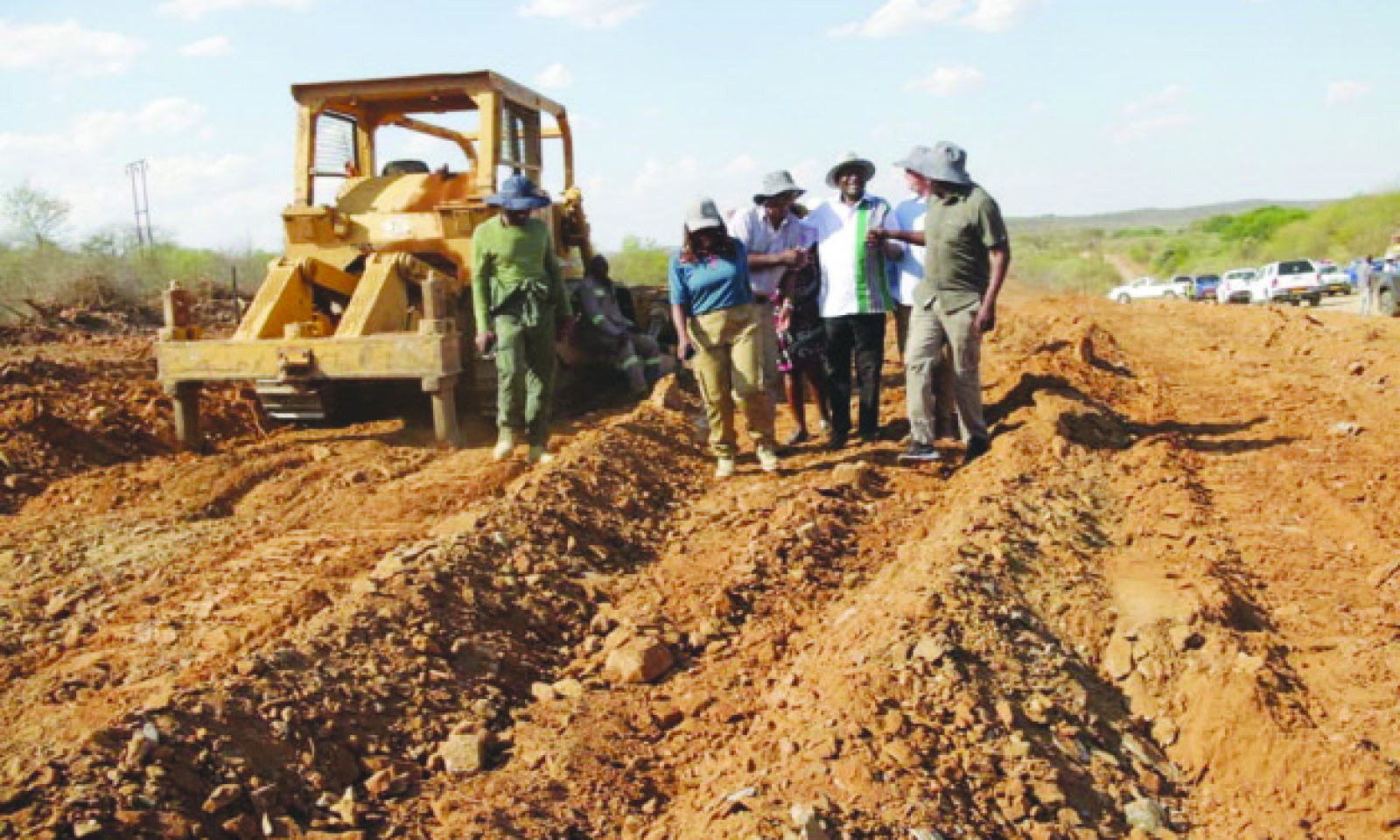
Freeman Razemba
Senior Reporter
THE rehabilitation of the 65-kilometre Gwanda-Maphisa Road is now at an advanced stage, unlocking economic potential and improving connectivity in Matabeleland South Province.
The project, a key legacy initiative for the province’s hosting of the 2026 national Independence Day celebrations, is firmly on track for completion by early next year.
Initial works on the first 10km stretch have already begun, signalling tangible progress on a route long seen as vital for regional trade and mobility.
The road’s upgrade is a cornerstone of the Government’s wider devolution agenda, designed to ensure infrastructure development reaches every province.
The transformation of this corridor is expected to be a game-changer.
Upon completion, it will drastically reduce travel time between Gwanda and surrounding districts like Matobo, seamlessly linking vital economic hubs such as the Arda Antelope estate, the Makwe Irrigation Scheme, and key tourist attractions.
It also provides the shortest route to Maphisa for travellers from Gwanda, Beitbridge and Masvingo, strengthening intra-district connectivity and opening a floodgate of new local business opportunities in mining, agriculture and tourism.
The project’s progress was affirmed this Thursday during a high-level Government tour.
A delegation led by Transport and Infrastructural Development Deputy Minister, Joshua Sacco, and including Matabeleland South Minister of State for Provincial Affairs, Albert Nguluvhe, expressed satisfaction with the work done so far.
In an interview, Minister Nguluvhe highlighted the broader significance of the project.
“This tour reflects our shared commitment to improving connectivity, enhancing service delivery and unlocking economic opportunities for communities,” he said.
Completion of the Gwanda-Maphisa road would dramatically improve access to healthcare, education and markets for rural communities, connecting them directly to the provincial capital.
The Gwanda-Maphisa Road is one of several major infrastructure projects underway in the province, including the Plumtree-Maitengwe Road and the Beitbridge-Bulawayo Highway. This concerted effort forms the backbone of the Second Republic’s infrastructure-led economic strategy.
As articulated in a recent post-Cabinet briefing, the rotational hosting of national events has become a “powerful equaliser,” ensuring that legacy projects like this one bring tangible, long-term development to communities once considered left behind.