Sukulwenkosi Dube-Matutu, [email protected]
THE Municipality of Gwanda is owed more than US$6,5 million in unpaid rates and service charges, with the local authority intensifying efforts to recover the debt and improve service delivery.
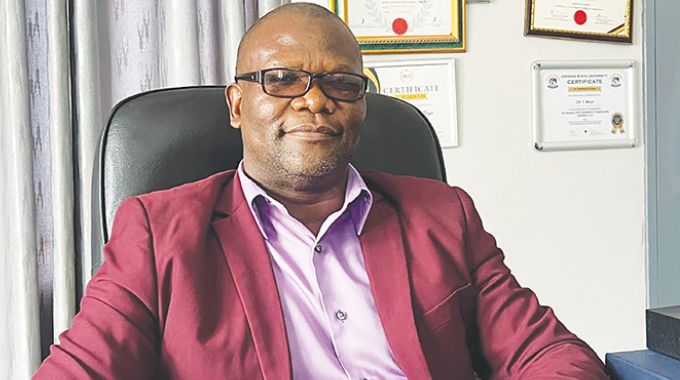
Gwanda mayor Alderman Thulani Moyo said council had broken down the debt by ward to identify areas with the highest arrears and establish a committee to engage residents and encourage voluntary payments.
Ward 1, which covers the town centre and some low-density suburbs, has the highest outstanding debt at about US$1,5 million.
“We are owed over US$6,5 million by ratepayers. We had to break down the amount per ward to know which ward is paying well and which is lagging,” said Alderman Moyo.
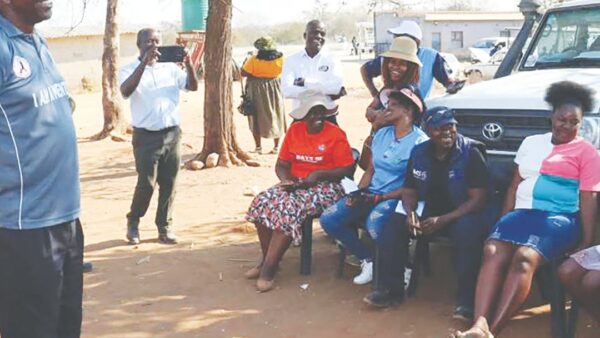
“We have gone further to establish a committee comprising various stakeholders, such as residents’ associations, councillors and faith leaders, to encourage people to own up to their unpaid debts.”
Alderman Moyo said the engagement approach was intended to allow residents to settle their debts without immediate recourse to legal action.
However, the mayor said council had taken businesses owing more than US$2 000 to court, adding that the action was yielding a positive response. He said the outstanding debt was affecting council’s capacity to provide essential services, particularly water supply, which requires substantial expenditure on electricity, chemicals, infrastructure maintenance and staff salaries.
“If we look closely at some of the services that we need to offer, there is the issue of water supply, where we must supply water 24 hours and each resident should get 80 litres per day. Water supply comes with a cost because there is equipment and electricity,” said Alderman Moyo.
“Electricity costs about US$30 000 per month, as well as chemicals. There are also costs of maintaining pipes and paying salaries. People have to adopt a culture of paying willingly before any follow-ups are made. If they don’t comply, we will go on to disconnect people.”
Alderman Moyo said the municipality was also working to reintroduce a prepaid water system, which would allow residents to pay for the water they use. The project is at the tendering stage.
He said council was seeking funding to replace the ageing water supply system, including infrastructure leading to the water treatment plant and the pipeline supplying the town.
The municipality has been relying on water infrastructure built in the 1950s, which requires replacement to improve reliability and enable council to meet Government’s minimum service delivery standards.
Under the Minimum Service Delivery Standards framework, local authorities are expected to improve the quality and efficiency of essential services, including water supply, sanitation, solid waste management, roads, public lighting and public health.
The framework also calls on local authorities to prioritise expenditure on service delivery, with a recommended 70:30 ratio in favour of service delivery over administrative costs.
Government has set 2030 as the target for local authorities to meet the prescribed minimum service delivery standards, in line with the country’s ambition of attaining upper-middle-income economy status.
Compliance is subject to monitoring by the responsible ministry, with corrective or disciplinary measures possible for local authorities that fail to meet the requirements.
Alderman Moyo said improving revenue collection was essential for Gwanda to meet its service delivery obligations and provide residents with reliable services.