Sukulwenkosi Dube-Matutu, [email protected]
FOR 23-year-old Priscillah Ncube* of Amazon in Insiza District, learning about sexual and reproductive health has helped her take greater control of her health while navigating the challenges of being married to an artisanal miner.
Ms Ncube, a mother of a three-year-old child, said her husband spends about two weeks at a time at a mining camp panning for gold, returning home for only three to four days before going back to work.
Through the National Aids Council (NAC)-led Sista2Sista programme, she has gained knowledge about HIV prevention and the importance of regular testing, prompting her to take steps to protect her health.
“When I joined the Sista2Sista programme four months ago, one of the first things we were encouraged to do was to get tested for HIV. This is something I had overlooked because I thought that HIV testing was only done when someone is ill,” said Ms Ncube.
“My partner is an artisanal miner and most of the time he won’t be around as he will be at work. His work exposes him to a lot of risks such as HIV infection.”
Ms Ncube said she took an HIV test and learnt that she was living with the virus. She is now focused on maintaining her health and managing her status.
“I tested for HIV and came out positive and now I’m working on ensuring that I maintain my status,” she said.
Ms Ncube said she had also encouraged her husband to undergo HIV testing, highlighting the importance of shared responsibility in protecting the health of couples.
Her experience reflects the role of community-based programmes in helping adolescent girls and young women access information and services that enable them to make informed decisions about their sexual and reproductive health.
Amazon Business Centre, where her husband works at a nearby mine, is a busy area whose population and economic activity have grown alongside surrounding mining operations.
For 19-year-old Sibongile Sibanda* of Amazon Village B, the programme has also helped her make decisions about HIV prevention while her partner works away from home for extended periods.
Ms Sibanda said her partner spends about two months at a mining camp before returning home for a week.
She said she uses pre-exposure prophylaxis (PrEP), medication that helps prevent HIV infection, when her husband returns home. She also encourages other young women to participate in the programme.
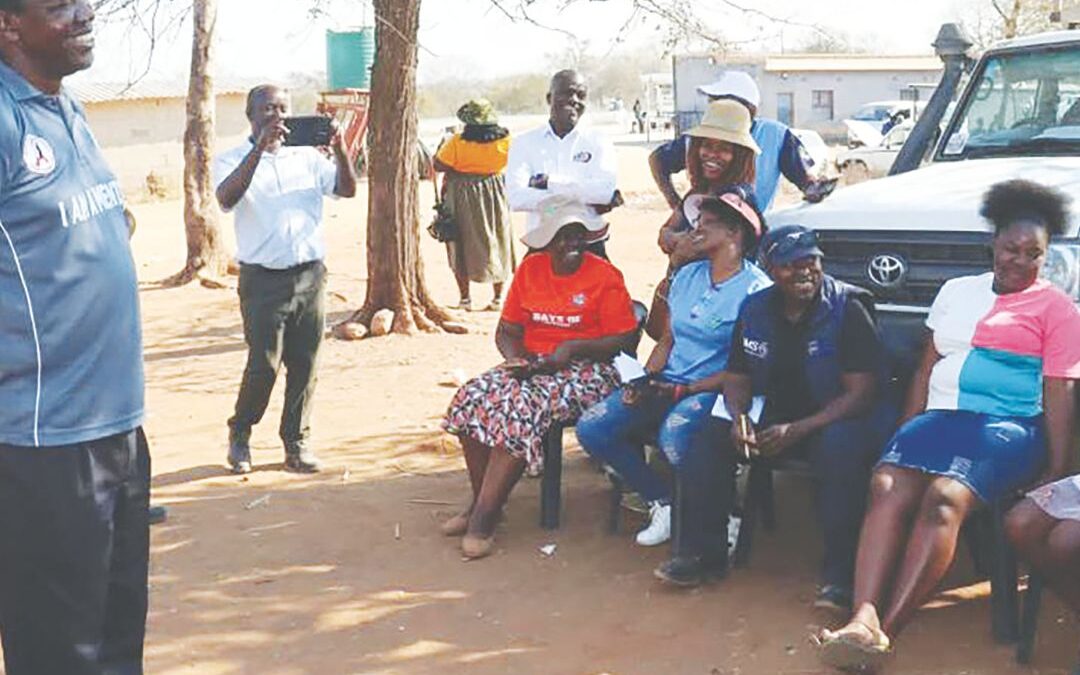
Sista2Sista mentor in the area, Ms Siduduzile Zondo, said the concentration of mining activities and the movement of people around Amazon Business Centre created challenges for adolescent girls and young women.
She said some young women had previously acquired HIV and sexually transmitted infections through sexual relationships with small-scale miners.
Ms Zondo said the programme was helping young women improve their knowledge of sexual and reproductive health and make informed decisions. Mentors also reach out to women with multiple sexual partners and sex workers to promote access to prevention and support services.
Insiza District Aids Coordinator Mr Mpilo Baloyi said the programme combined health education with economic empowerment to address some of the factors that could leave young women vulnerable to HIV infection.
“This place is a busy growth point which attracts a lot of people. We have a lot of mining companies around this business centre which employ a number of men, some with a workforce of over 200 people. There are also villages around this business centre and these mines,” he said.
“We have situations where some young girls are attracted to these artisanal miners because of the money they have. There are a lot of risk factors in such a case. As a way of empowering these girls, we saw it prudent to have the Sista2Sista programme in this area.”
More than 800 adolescent girls and young women in Insiza District have benefited from the programme, which seeks to reduce HIV vulnerability among girls and young women aged between 10 and 24.
The initiative provides information on sexual and reproductive health rights, HIV prevention, gender-based violence and personal development. Participants are organised into clubs where they discuss self-awareness, relationships, financial literacy and family issues.
The programme also promotes responsible reproductive health decisions, including delaying sexual activity, preventing child marriage and teenage pregnancies and reporting sexual abuse.
Mr Baloyi said NAC was implementing the programme in partnership with the Insiza Godlwayo Aids Council (IGAC). Participants also receive sanitary wear as part of the support provided.
The district has 16 trained mentors, each working with about 50 mentees.
Through peer support, health education and access to prevention services, the programme seeks to help young women make informed choices and reduce their vulnerability to HIV and other sexual and reproductive health challenges.