

 Chronicle Editor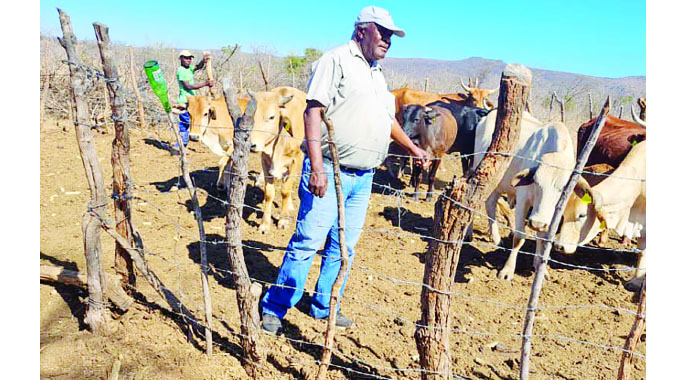
Sukulwenkosi Dube-Matutu, Chronicle Reporter
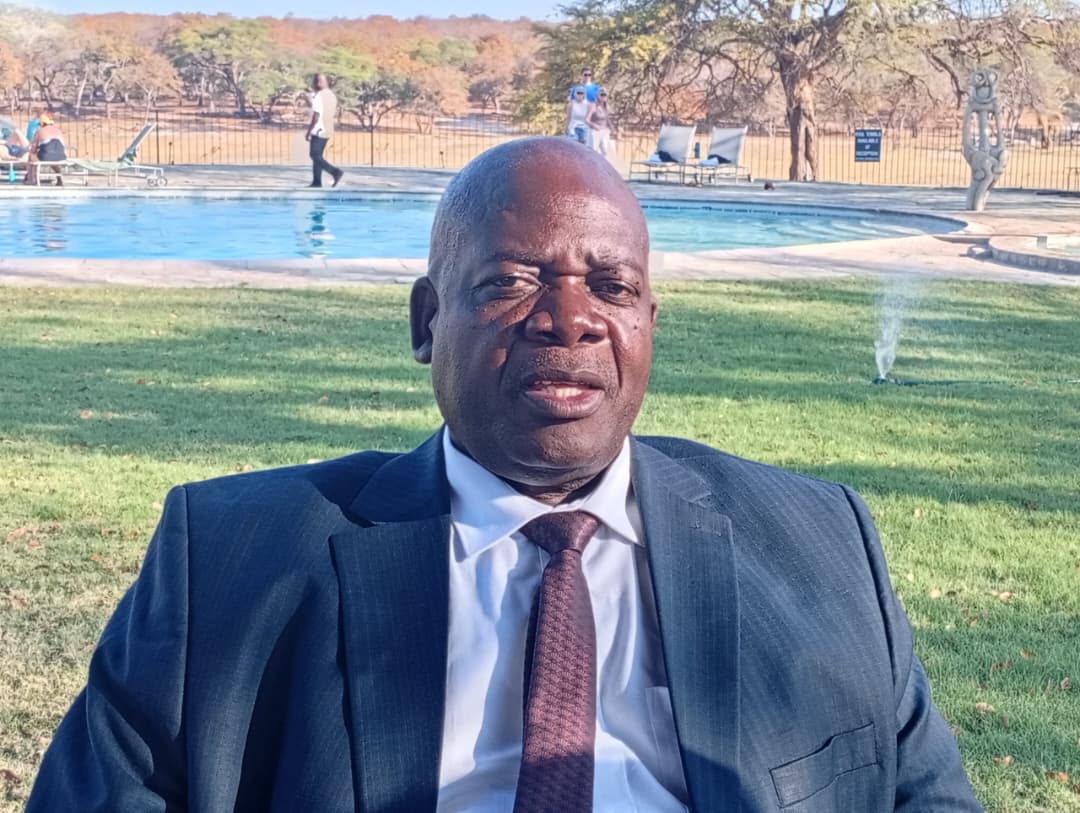
AFTER serving for 31 years, Mr Ronnie Sibanda who was the first ever chief executive officer for the Gwanda Rural District Council has finally taken time off to focus on his farming activities.
Mr Sibanda originally from Filabusi retired from his job in December 2020 at the age of 65. His journey in the Ministry of Local Government, Public Works and National Housing dates back to 1974 when he received training as a council officer with the Domboshaba African Councils.
He joined the liberation struggle in 1976. After the country had attained its independence in 1980, Mr Sibanda joined the Matabeleland South Provincial Authority as an executive officer responsible for education in 1981.
Provincial authorities were phased out in 1986, they were Government bodies that were responsible for managing development in various provinces. Mr Sibanda was later deployed to the Gwanda District Development Coordinators office in 1987 as a senior clerk where he served two years.
In 1987, Mr Sibanda was appointed senior executive officer for the Gwanda District Council. By then district councils administered over communal areas while rural councils covered resettlement areas.
In 1989 district councils and rural councils were amalgamated to form rural district councils. It was then that Mr Sibanda was appointed the first chief executive officer for the Gwanda Rural District Council.
Mr Sibanda who has a passion for development said it was an honour for him to captain the ship that has spearheaded development in rural Gwanda.
“It was an honour for me to become the first chief executive officer for the Gwanda Rural District Council and especially at a crucial time which was when the country had gained its independence. It meant that as the black majority we had finally been given the opportunity to take hold of the reigns and bring development to our people,” he said.
Mr Sibanda said: “I have a passion for development, especially rural development and that is why I dedicated the greatest part of my life to developing Gwanda. When I completed my O-level in 1972, I immediately embarked on a journey to serve in the councils by training as a council officer. The experience I got made it easy for me to be incorporated into the Local Government system after independence.”
He said he has watched over the years as rural districts have evolved and developed. Mr Sibanda said the operations of councils have also transformed to ensure improved service delivery.
He said when he joined the council the growth of business centres was not guided by lay out plans. Mr Sibanda said villagers were now developing their areas based on lay out plans which help to demarcate commercial areas from residential areas and service industry areas. He said the standard of infrastructure which was being constructed had improved significantly.
Mr Sibanda said in the past councils did not have their own designated roads.
“Councils are now working closely with traditional leaders to govern development which takes place in rural areas. Residential areas shouldn’t encroach onto an area that is reserved for animals grazing as well as fields,” he said.
He said more schools and clinics have been built in the district to bring service closer to people. Mr Sibanda said when he assumed office the district only had mission schools which limited access to education but when he retired the district had 28 secondary schools which meant that more children could continue with their education.
He said in 1989 the district only relied on Manama Mission Hospital but it now had over 12 clinics. “The infrastructure being built for schools and clinics has also improved as we see modern structures being constructed. The district now has more and improved water and ablution facilities.
“We have also seen Government introducing a number of livelihoods projects in the district working with various partners. Villages have been electrified. Indeed, there has been significant improvement in rural development over the years.”
Mr Sibanda said despite serving for so many years, each experience was a learning curve for him. He said he learnt a lot from interacting with chief executive officers from other councils and departmental leaders, no matter how young they were.
Mr Sibanda said significant projects which were recorded in the district during his tenure include construction of cattle sale pens, construction of a solar power station at Mashaba which provides electricity to Mashaba Clinic, Mashaba Primary School, the business centre and surrounding communities, Mankonkoni and Sebasa irrigation schemes.
Other projects include rehabilitation of Mankonkoni and Sebasa Irrigation schemes, establishment of various police bases to combat crime, establishment of Mlambapheli Border Post, tarring of Maphane- Guyu-Manama Road and roll out of various water and sanitation programmes.
Mr Sibanda said he retired with a clear conscience knowing that he had done his part in bringing development to the country. He now stays at his 19-hectare plot in Esigodini where he is concentrating on his farming activities.
“I now want to concentrate fully on my farming activities and for starters I want to drill a borehole so that I can produce throughout the year and not only practice rain-fed agriculture. At least I can now take a break from that busy office schedule and develop my farming practice,” he said. – @DubeMatutu


 Blessing Chizhande
 Online Reporter