Sukulwenkosi Dube-Matutu [email protected]
MATABELELAND South is moving towards establishing its first operational provincial drug and substance abuse rehabilitation centre, with the conversion of the old Phakama TB Clinic in Gwanda now 65 percent complete.
The facility is expected to bring rehabilitation services closer to communities in the province, where patients have to be referred to Ingutsheni Hospital in Bulawayo for specialised treatment.
The project, implemented in phases, will initially provide patient accommodation and an admissions and outpatient block, with additional facilities for vocational training, recreation, and other support services planned in subsequent phases.
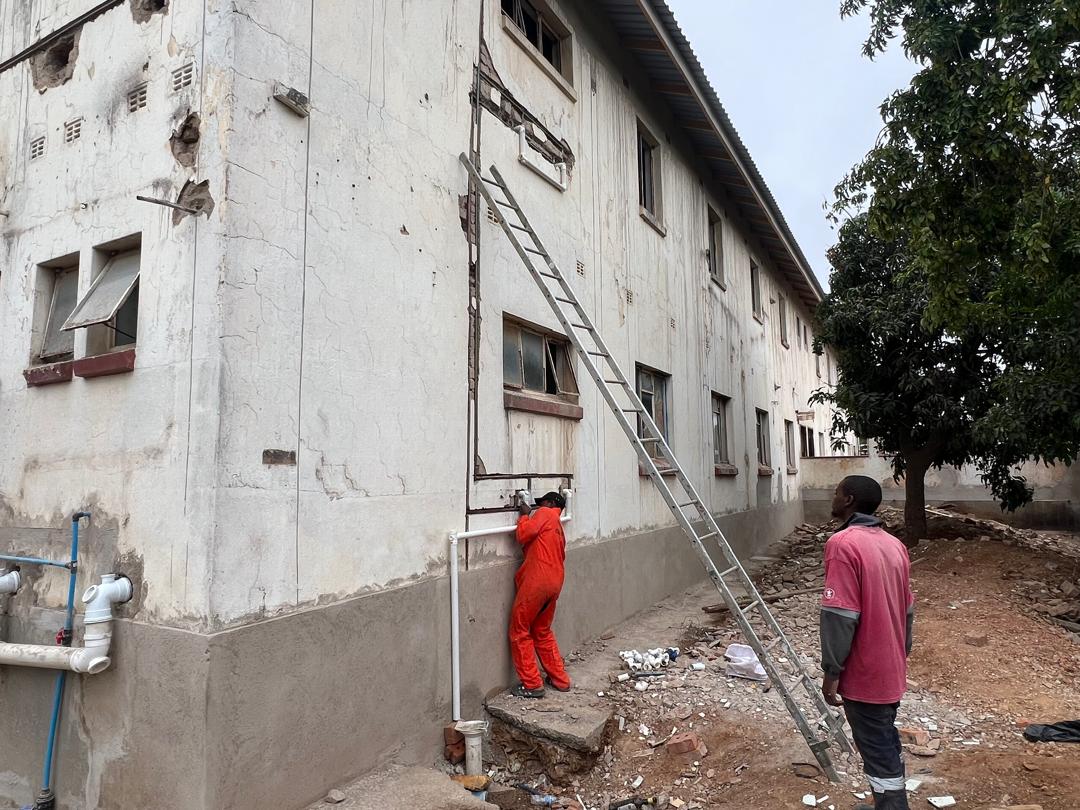
The renovation of the former TB clinic has involved extensive structural rehabilitation after part of the building was damaged by fire several years ago.
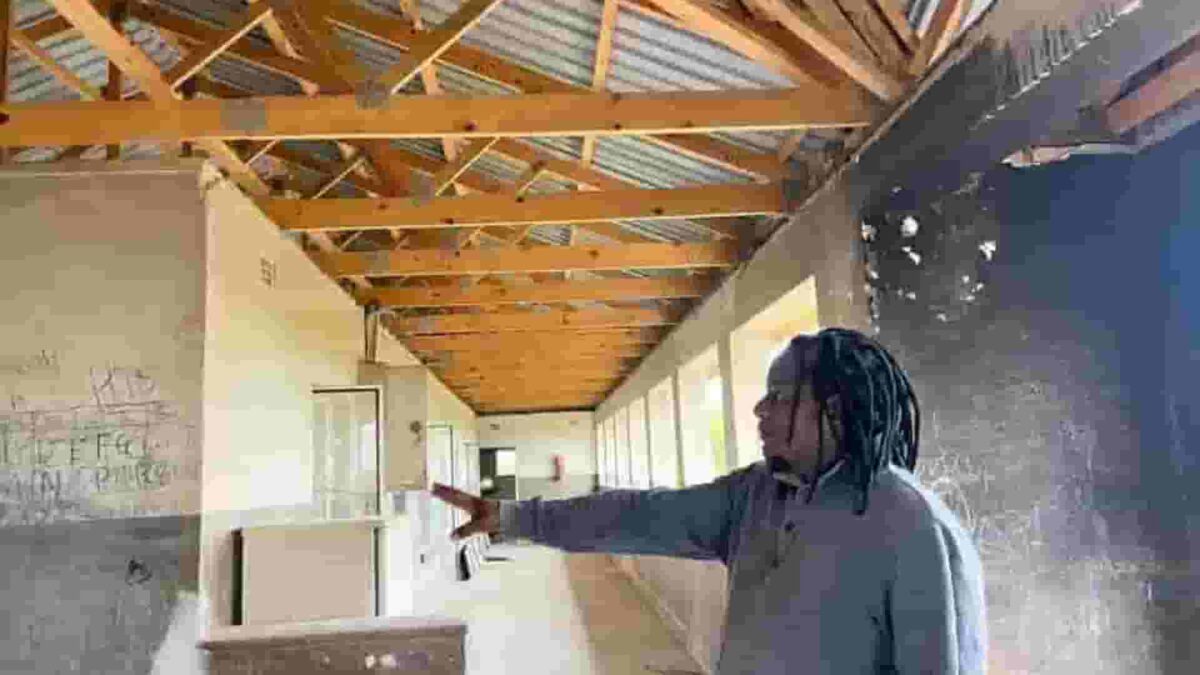
Works completed so far include the replacement of the roof, installation of a ring beam, overhaul of the sewer system, electrical works, remodelling of ablution facilities, brickwork, plumbing, tubing and plastering.
Outstanding works include electrical wiring, tiling and installation of ceilings.
Speaking during a tour of the project site, Matabeleland South provincial public works architect, Mr Tonderai Magumise, said the first phase was focused on converting two existing buildings into the main patient accommodation facility and an admissions and outpatient block.
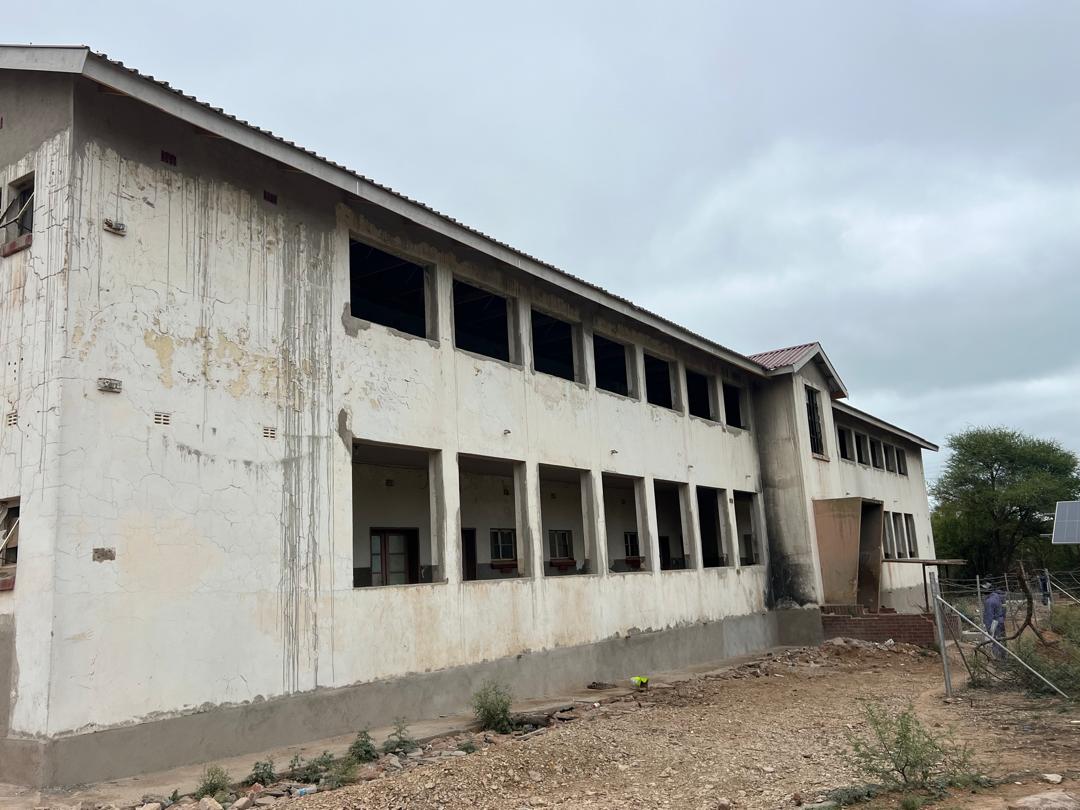
“Overall progress under the first phase is now at 65 percent. Under the first phase, we are working on two already existing buildings. One being the residence where patients will be admitted, which is the main facility, and the other being the admissions or outpatients building,” he said.
Mr Magumise said in the next phase, they will be constructing a new structure which will house the kitchen, laundry facilities and recreational facilities. Another existing building will be converted into a vocational training facility.
He said the rehabilitation works had proved more extensive than initially anticipated because of the damage to the existing infrastructure.
“Half of the building had been damaged by a fire which broke out a few years back. The whole roof had to be replaced and a ring beam installed to make it strong,” said Mr Magumise.
“We also had to redo electrical works for the entire building, while the sewer system had collapsed, resulting in a complete overhaul.”
Meanwhile, the Government has also called for stronger collaboration among stakeholders to complement the establishment of the facility and intensify efforts to address drug and substance abuse in the province.
Addressing stakeholders during a meeting held as part of a provincial drug and substance abuse monitoring exercise, Permanent Secretary for Matabeleland South Provincial Affairs and Devolution, Mrs Lathiso
Dlamini-Maseko said the absence of an operational rehabilitation centre had exposed a gap in the province’s response to the growing problem.
“Matabeleland South is one of the few remaining provinces without an operational drug and substance rehabilitation centre. The old Phakama TB Clinic, which was identified as the provincial centre, is currently under renovation,” she said.
“The fight against drug and substance abuse cannot be carried by Government alone. It requires a collaborative, bottom-up effort that engages all levels of society, from national to grassroots levels.”
Mrs Dlamini-Maseko called on stakeholders to support the implementation of prioritised provincial interventions, including resource mobilisation and community-based prevention programmes.
She said drug and substance abuse had become a major public health, social and national security concern, particularly among young people, with far-reaching consequences including health complications, family breakdowns, crime and reduced productivity.
Matabeleland South’s geographical and socio-economic circumstances also present challenges in addressing the scourge.
The largely rural province has a significant population involved in artisanal mining and other informal economic activities, while its shared borders with South Africa and Botswana, coupled with several ports of entry, create additional challenges in controlling the movement and trafficking of illicit substances.
Government has consequently adopted a multi-sectoral approach through the Zimbabwe Multi-Sectoral National Action Plan on Drug and Substance Abuse (2024-2030), which provides a framework for prevention, treatment, rehabilitation, policy reform and community reintegration.
The national response is coordinated through a committee guided by seven pillars covering supply reduction, demand reduction, harm reduction, treatment and rehabilitation, legal frameworks, community reintegration and media strategies.
Provinces have also been tasked with developing interventions and mobilising resources to strengthen the fight against drug and substance abuse.
The initiative follows President Mnangagwa’s launch of the National Drug and Substance Response Resource Mobilisation Programme in Harare on July 11, 2025.