Gift Moyo [email protected]
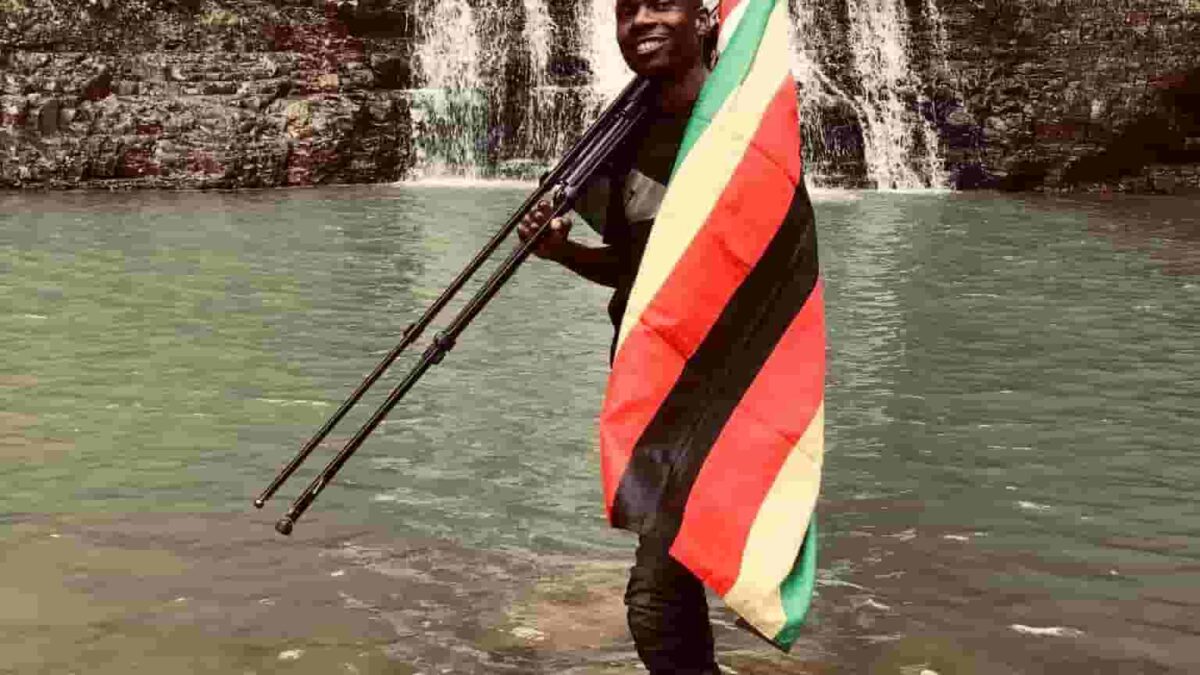
WHEN audiences watch Magriza Made Me Cook (MMMC), it is often chef Prince Sivalo Mahlangu who commands their attention, bringing Zimbabwe’s traditional cuisine and cultural heritage to life in front of the camera. However, behind every frame lies the signature of Thembani Melusi Phakathi, the popular cultural show’s co-founder.
While Mahlangu has become the recognisable face of the platform, Phakathi is the eye behind its storytelling, shaping how audiences experience the food, people and traditions that define Zimbabwean culture.
Through his work in videography, directing, editing, sound and lighting, he has helped transform an idea into a distinctive cultural storytelling brand.
Now, his behind-the-camera work is earning recognition in its own right following his nomination in the Best Documentary Short category at the recent European Film Festival in Harare for his documentary, Zimbabwe on a Dish.
The nomination marks another milestone in a creative journey built around documenting Zimbabwean culture, with Phakathi drawing on years of experience in the audio and film industries.
“I’ve over 15 years in the audio industry working under the Ingwe studio’s brand. That hands-on time helped shape my perspective as a visual storyteller, of which I’ve been in the film industry for close to seven years now,” said Phakathi.
After founding Magriza Made Me Cook with chef Sivalo Mahlangu, Phakathi’s contribution to storytelling is through his work behind the camera, taking on editing, videography, audio, and lighting. Over time as the brand grew, Phakathi recruited and trained other creatives to help him with the increased workload.
“MMMC was an idea we started with Prince Sivalo Mahlangu, initially it was just to document his fitness classes and routines. Then “uMagriza” (Prince Mahlangu’s grandmother) sat us down and encouraged us to pivot to something we were more passionate about, which was cultural awareness. I was doing most of the technical duties; editing, videography, audio and lighting. Now I have a 2nd videographer, a drone videographer, an assistant editor and voice over narrator to help with the increased workload,” said Phakathi.
Born out of Phakathi’s love for documenting Zimbabwean culture and cuisine, the short documentary Zimbabwe on a Dish, was a continuation of Phakathi’s previous work, as he sought to capture and retell cultural insights and practices through food, dance, and language.
“Upon noticing that Zimbabwe’s cultural identity is informed by 16 languages, this documentary was meant to provide insight into the culinary practices, dance and musical traditions of the Zimbabwean people.
“My work follows an idea, where keeping indigenous stories pure is important, rather than adding commercial flavour. Working with the Tonga people in Binga, the Xitsonga in Boli Muhlanguleni and the Ndau in Muzila, Chipinge, I wanted to clear up old myths about their heritage. It highlights aspects of food, language, dance and music as that which shapes those cultures. Expanding on the fact that our practices are functional by default, for example; Tonga people believe food isn’t just edible but forms a basis of health care where their food not only nourishes but helps boost their health. The Tsonga/Shangaan people use their flamboyant dress code to express societal values and the Ndau people use music as storytelling tools to preserve their history. While the final cut that I submitted to the EU film festival was short, it forms part of a larger project that is still ongoing, to illustrate how deep our culture runs and that it desperately needs documenting as a form of preservation for generations to come,” he said.
With the documentary having only been aired and shown to an audience at the recent European Film Festival, held in Harare, Phakathi was surprised to see that his creation had been nominated for the prestigious award of Best Documentary Short.
“Zimbabwe on a dish” hasn’t yet aired on public platforms, it only aired at the Europe Film festival awards event. While I have several other works of film where I directed,edited that have been nominated, screened internationally, this was my first nomination in Zimbabwe. It is a humbling experience knowing how much local audiences value the work I do. That nomination alone has given me enough hope to pursue future possibilities for exhibiting my works for local audiences,” he said.