Online Reporter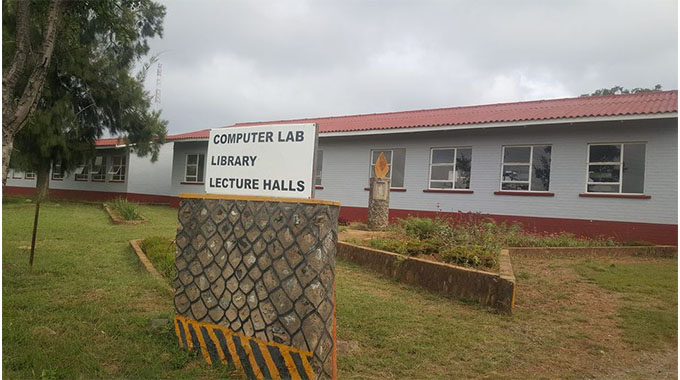
Raymond Jaravaza, Zimpapers Reporter
GWANDA State University (GSU), one of Zimbabwe’s youngest institutions of higher learning, has emerged among the top 12 universities in the country, a remarkable achievement that cements its growing reputation on both regional and international stages.
Established in 2016, through an Act of Parliament (Chapter 25:30), GSU’s roots trace back to 2015 when it operated as a college under the National University of Science and Technology (Nust).
Its main campus sits on 80 acres of land in Gwanda, along the Bulawayo–Beitbridge Highway, while the Epoch Mine campus in Filabusi houses students, academic staff and university management.
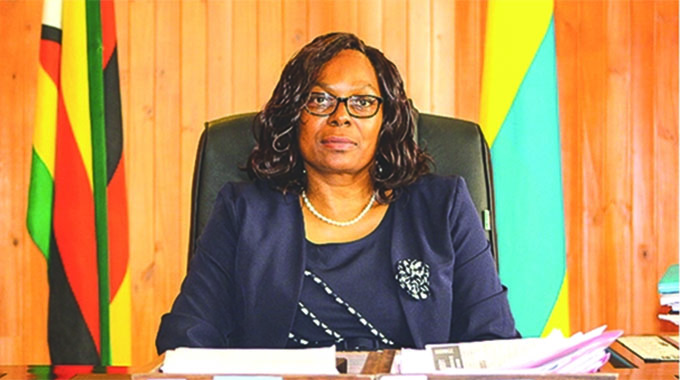
Speaking during the institution’s 4th graduation ceremony last week, Vice-Chancellor Professor Doreen Zandile Moyo said GSU’s rise reflects its commitment to quality education, innovation and sustainable development.
“Despite its short existence, Gwanda State University has doubled down on its determination to be a force to reckon with among its peers nationally, regionally and internationally,” said Prof Moyo.
She said according to the 2025 Times Higher Education Impact Rankings, GSU secured an overall position of 1 501 out of 2 318 global institutions.
It was also ranked 47 out of 129 in the Sub-Saharan Africa universities ranking and 12 out of 26 locally based, on performance and student satisfaction.
“This recognition demonstrates the University’s growing visibility and contribution to the United Nations Sustainable Development Goals (SDGs), particularly in the areas of quality education, partnerships, gender equality, clean water and sanitation,” said Prof Moyo.
President Mnangagwa, who presided over the graduation ceremony, capped 69 graduates, including 12 from the Faculty of Natural Resources Management and Agriculture and 57 from the Faculty of Engineering and the Environment.
Of these, 18 were female and 51 were male.
Highlighting the university’s strides in practical learning and innovation, Prof Moyo said four student-led agriculture projects valued at US$8 000 were approved and funded by the Zimbabwe Agricultural Development Trust (ZADT). The projects include rabbit rearing and the cultivation of red cabbage, red and yellow peppers.
“These initiatives not only empower our students with entrepreneurial skills but also contribute to national food security and economic resilience,” she said.
GSU has also gained international exposure through academic competitions. Prof Moyo said Geomatics and Surveying lecturer Mr Brian Shiri, accompanied by a third-year student, and represented Zimbabwe at the 3rd International Geological Championship held in Russia last month.
“The team demonstrated exceptional skill and resilience in various geological competitions, including Hydrogeology, Mineralogy and Geological route challenges.
“The experience was enriched by academic tours to significant geological sites such as the Uchally Geology Museum and Uchally Copper Mine in Russia,” she said.