

 Online Reporter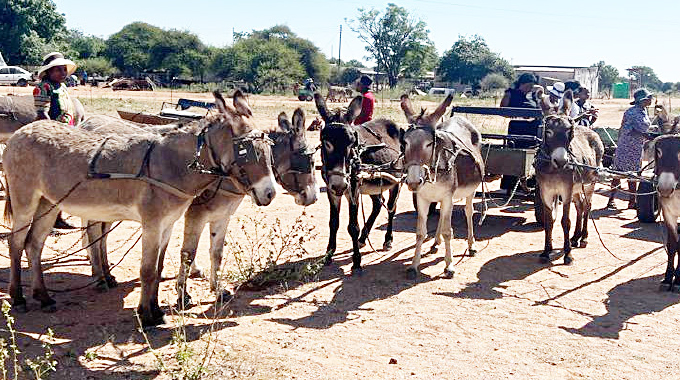
Sukulwenkosi Dube-Matutu
IT was all hooves and applause at Manama Business Centre as Gwanda District marked World Donkey Day, putting the spotlight on the unsung heroes of rural Zimbabwe, the donkeys!
Under the bold theme “Donkeys serving as the shoulders, legs, arms and backs of women in rural Zimbabwe,” the celebration was more than just talk; it was a call to action for better treatment of these crucial animals.
The event, organised by Women and Land in Zimbabwe, forms part of the newly launched programme: Advancing Work Donkey Welfare Standards for Enhancing Women Empowerment and Building Resilient Livelihoods. It aims to boost awareness on how to care for donkeys — animals often beaten, overloaded, and forgotten, despite carrying entire communities (literally!).
Donkeys in Gwanda aren’t pets. They’re transporters, plough pullers, water carriers, and lifelines for women navigating tough rural terrains.
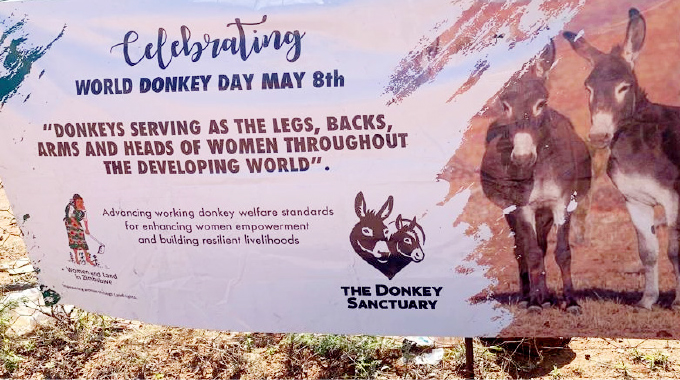
And the message was loud and clear: “If you want empowered women, start with empowering their donkeys!”
Seven proud farmers walked away with prizes for their well-cared-for donkeys, a nod to the often-ignored bond between beast and human in rural Zimbabwe.
Speaking at the event, Gwanda District Development Coordinator Ms Nomathemba Ndlovu said it was high time donkeys got the respect they deserve.
“They’re the invisible engines of our rural economy,” she said.
“We thank Women and Land in Zimbabwe for driving this welfare initiative in Wards 2, 17 and 19. Donkey welfare is community welfare. It’s food security. It’s resilience.”
The event also tied into the Government’s NSD1 Food and Nutrition Security Cluster, highlighting how well-treated donkeys contribute to improved livelihoods.
B-Metro witnessed a mix of education and celebration, with villagers showcasing clean, healthy donkeys, sharing grooming tips, and laughing over stories of stubborn donkeys gone rogue.
As rural women continue to battle with climate change, long distances, and poverty, the donkey is more than a beast of burden; it’s a partner in survival.
So here’s to the donkeys, the overlooked, overworked, and now, finally, celebrated.
— @DubeMatutu.


 Blessing Chizhande