Joshua Muswere – Zimpapers Writer
On a dusty afternoon in Gwanda, you won’t hear bottles clinking. You won’t hear a police siren. You will hear a guitar. A poem. A dance step finding its rhythm.
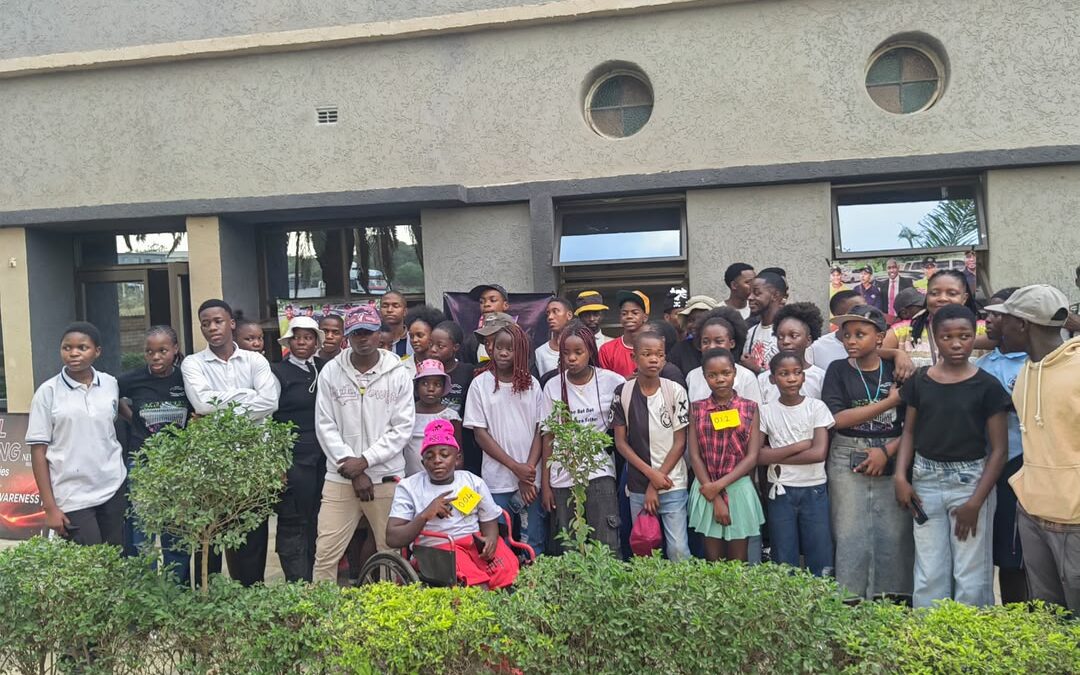
In a small hall, 25 young people lean in, eyes locked on their coach.
They survived two gruelling auditions to get here.
Now they are in a master class, learning how to turn a raw gift into a professional career.
This is not just a talent show. This is a quiet revolution.
In a province where too many idle hands are falling into drugs, a Matabeleland South youth organisation has discovered a powerful antidote: the stage. Its name says it all -I’m Gifted, Not High”
And it might just be the most potent weapon the district has deployed yet against a national crisis.
The idea comes from Elevators Career Guidance and Youth Empowerment Organisation, a youth-led association registered under the Zimbabwe Youth Council and founded by Gwanda-born Blessings Ndlovu, known to many as Mashudu.
“We focus on empowering young people, holding hands with the community, fighting against drugs and substance abuse, mentoring young people to become the best versions of themselves,” Ndlovu says.
The concept is disarmingly simple. Use what young people love to teach them what they need to survive.
“The Gifted Project is focusing on giving young people an opportunity to showcase their talent and promote their talent. But at the same time, using that same platform as a pull factor to bring young people together and teach them about drugs and substance abuse,” she explains.
And it is working.
In Gwanda alone, more than 200 young people have already been reached.
The 25 finalists are now being groomed for more than just the finals in December.
They are being coached in singing, dancing and poetry, yes, but also in Sexual and Reproductive Health, career guidance, and the brutal realities of substance abuse.
This is not Elevators’ first dance.
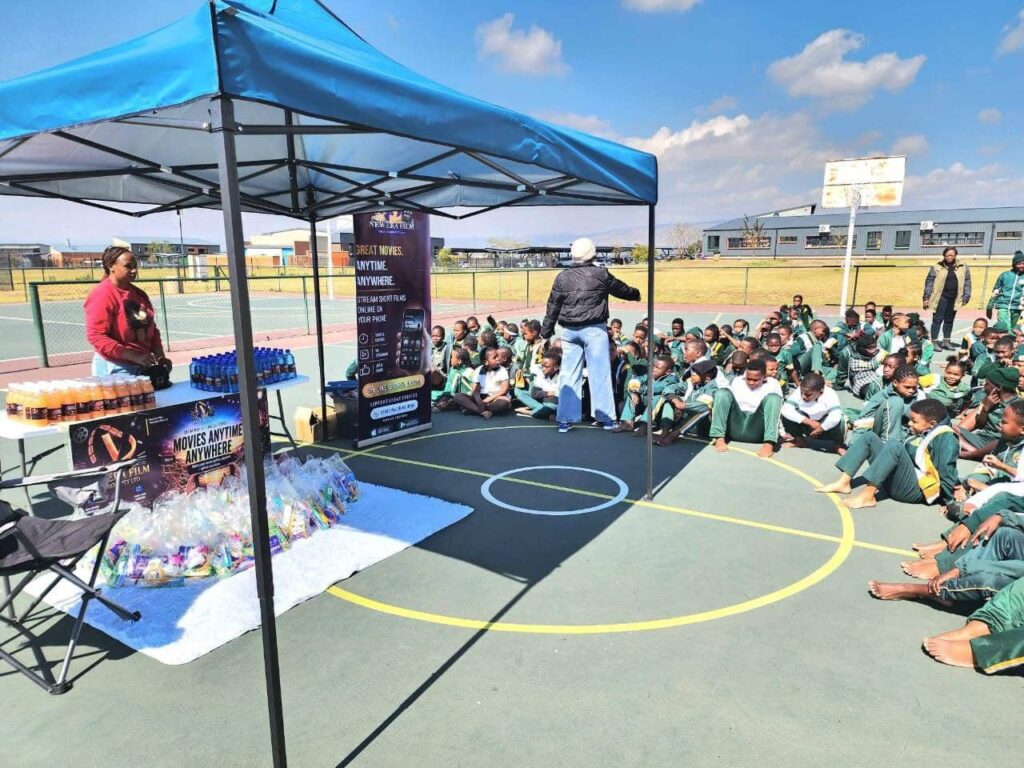
Before Gwanda, the organisation signed an MOU with Bulilima Rural District Council and took its message into schools – Malalume, Machinge and Dombodema.
“We managed to reach over 500 young people during that project. We taught them how to choose their careers, how to apply to universities, teaching them about SRH issues,” Ndlovu says.
The work could not be more urgent.
Zimbabwe is in the grip of an emergency. In 2023, Government declared drug and substance abuse a national disaster.
A year later, it launched the Multi-Sectoral Drug and Substance Abuse Plan (2024-2030) to cut supply chains and scale up prevention and rehabilitation.
The numbers tell a chilling story.
At least 57% of Zimbabwe’s youths are estimated to have engaged in drug and substance abuse, up from 43% in 2017. Nearly 8 out of 10 Zimbabweans – 79% – say drugs are widespread in their communities, with urban areas worst hit at 93%.
The hospitals are feeling it. At Harare Central Psychiatric Hospital, drug-related admissions shot up from just 150 in 2019 to 825 in 2020. By 2021, drugs accounted for 60% of all psychiatric admissions, and 80% of those were youths aged 16 to 25.
Elevators knows talent shows alone won’t win the war.
So it is building a safety net that lasts beyond the applause.
Its online mentorship programme recruits professionals, businesspeople and creatives, puts them through a rigorous four-week training, and then pairs them with young people for a full year.
“You go through four weeks of training and once you get that training, then you are paired with other young people,” Ndlovu says.
“The mentorship programme then runs for the whole year where the mentor guides and helps the young person set goals.”
It is a model Ndlovu is now pushing from inside the system.
As the Matabeleland South representative on the Zimbabwe Youth Council Board – appointed by the Minister of Youth and the President’s Office – she is championing collective power over individual handouts.
“It’s better to give opportunities to a group of young people than to an individual. We make sure that young people come together, they register as associations and they get access to opportunities better,” she says.
This is bigger than Gwanda. It is about Zimbabwe’s future.
Vision 2030 hinges on one thing: a skilled, healthy, innovative youth population that can drive industrialisation and entrepreneurship under NDS1.
You cannot build an upper middle-income economy with a generation lost to guka and crystal meth.
Interestingly, 71% of Zimbabweans say they trust schools and families to effectively fight drug abuse.
Elevators is merging both – bringing the school, the family and the community into one talent-driven classroom.
In that classroom in Gwanda, a young poet who might have ended up high is now learning how to monetise his verse, apply to university and protect his future.
As Ndlovu puts it, the goal is not just to keep them off drugs.
It is to give them a reason to never want them in the first place.
“Allow them to use their talent for the betterment of their future.”