Online Reporter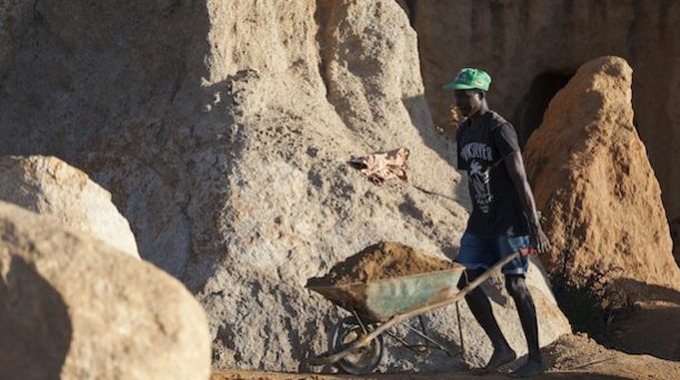
Patrick Chitumba, Zimpapers Features Writer
UNDER the cover of darkness, youths gather at an active pit sand site in the Julena area on the outskirts of Gweru, their shovels ready.
The flickering light of torches and truck headlights casts eerie shadows on the sand as they begin their work.
The sound of shovels scooping up sand and the rumble of mostly unregistered trucks fill the night air.
This is the life of pit and river sand poachers in Gweru, working through the night to avoid detection by Environmental Management Agency (EMA) officers.
Mr Marion Ncube (25) and his three colleagues loading a truck with sand using shovels say they are paid US$20 to fill a 30-tonne truck.
On a good day, they load four to five trucks, which means each person gets US$25.
He said they constantly play cat-and-mouse with environmental officials who seek to curtail land degradation.
“Sand poaching has been our source of income for years,” said Mr Ncube.
“There’s a property construction boom in Gweru and people need pit sand and river sand, which is why we’re here,” he added.
Mr Ncube said they have been poaching sand in and around the Julena area for years.
A truck driver who spoke on condition of anonymity said he gives Mr Ncube’s team US$20 and sells the load for US$140 to a client who is constructing a building in Gweru.
“The expenses are labour and fuel, the sand is for free,” he bragged.
In Gweru, illegal extraction of pit and river sand is rampant in areas such as Julena, Ngamo, Chiwundura side in Gwamberi River Ward 12, Kwekwe River Ward 10 as well as Murezve River Ward 10 and 12.
The construction sector is a silent but major player in environmental degradation, significantly contributing to desertification and drought through unsustainable practices such as sand and river mining.
The extraction of sand has become a lucrative but illicit trade in many areas, with sand poachers operating at night.
This practice not only depletes natural resources but also causes massive land degradation, leading to environmental hazards.
EMA has stepped up efforts to address the issue, promoting land restoration in line with Sustainable Development Goal 15, which focuses on reversing land degradation and promoting land restoration activities.
In 1994, the United Nations General Assembly declared World Day to Combat Desertification and Drought. Since 2019, it has been known simply as Desertification and Drought Day and is observed on 17 June to promote public awareness of international efforts to combat desertification.
The Earth faces a dual threat: desertification and drought. Drought is a temporary lack of rainfall, causing dry periods that stress ecosystems and societies.
Desertification is the long-term degradation of fertile land into desert-like conditions.
Both river and sand poaching significantly contribute to desertification and drought in Zimbabwe.
Excessive sand extraction from riverbeds and illegal sand mining degrades river ecosystems, leading to reduced water flow, increased erosion and ultimately land degradation.
This, combined with drought conditions exacerbated by climate change, intensifies the effects of desertification and water scarcity.
A recent survey conducted by climate change awareness organisation, A Beep From Nature, highlighted a concerning trend — sand poaching is on the rise in Zimbabwe, particularly in urban areas such as Harare, Bulawayo and Gweru.
This illicit practice involves the illegal extraction of sand from riverbeds, which disrupts the natural balance of ecosystems and can lead to erosion and loss of habitat for aquatic life.
The extraction of sand can destabilise riverbanks, increasing the risk of flooding during the rainy season.
The removal of sand reduces the water-holding capacity of rivers and contributes to the drying up of water bodies, exacerbating water scarcity issues.
EMA Midlands Provincial spokesperson Mr Oswell Ndlovu expressed concern over the damage caused by illegal sand poaching during a recent media tour in Julena and the Vungu area on the outskirts of Gweru.
“They’re digging up this area’s pit sand, which has resulted in a lot of land degradation. Many of them operate during the night knowing well that we would have knocked off,” said Mr Ndlovu.
He said EMA had issued 55 tickets to sand poachers in the Midlands Province since the beginning of the year, demonstrating its commitment to enforcing environmental regulations and mitigating the effects of land degradation.

“We’re trying to reverse land degradation as a nation, and those in this kind of business are encouraged to have the necessary paperwork,” he said.
Mr Ndlovu urged landowners to put in place access control measures to control land degradation.
“EMA remains committed to enforcing environmental regulations and working with stakeholders to mitigate the effects of land degradation and promote sustainable practices,” he said.
Midlands Province Environmental Impact Assessment and Ecosystem Protection officer Mrs Tapiwa Dube highlighted the devastating impacts of sand poaching on biodiversity, including vegetation loss and soil erosion.
“The water is heavily polluted by oils from their vehicles, which get into the rivers. Most farmers here keep livestock, and the formation of gullies and loss of vegetation leads to loss of feed for livestock,” said Mrs Dube.
She said the contamination of water sources due to improper sand mining practices threatens public health and further compounds the challenges faced by communities.
Local farmers such as Mr Amad Kasim of neighbouring United Farm said, “We’re running out of land for agriculture and our livestock is dying or fracturing legs after falling into the pits they leave open.”
According to Mr Peter Makwanya, a Communication Studies lecturer and environmental expert, the building sector is part of the broader network of land use practices and changes which emit greenhouse gases such as carbon dioxide, methane and nitrous oxide, among others.
Pit and river sand cannot be separated from the construction sector which promotes deforestation through bush clearing, burning, land degradation and expansion of settlements including population explosion.
He noted that the land use changes are known drivers of environmental and climate change, especially when they go hand in glove with agricultural expansion, brick moulding as well as river and pit sand mining for construction purposes.
“Sand harvested and exploited rivers have dried up with all the aquatic life destroyed. There is enormous demand for new houses, industrial and commercial buildings, schools, hospitals, roads and bridges. All these infrastructural development practices are emission intensive and they destroy the environment, hence they cannot be simply wished away,” he said.
Mr Makwanya said the construction sector has been identified as one of the major energy consumers through heating, air-conditioning, transportation of building materials and equipment, among others.
He said it is important to calculate the carbon emissions footprint associated with building practices in order to tax river and pit sand poachers with the proceeds going to re-greening of the environment.
“Since this is a destructive and degrading practice, carbon emission literacy is key so that users would understand the costs of their human activities. While pit and river sand are locally available building materials, those involved should be made to pay to minimise environmental damage,” he said.
Mr Makwanya said while the likes of Mr Ncube continue illegal extraction of pit and river sand, EMA ought to collaborate with municipalities and community leaders to manage this growing cancer.