peter
peter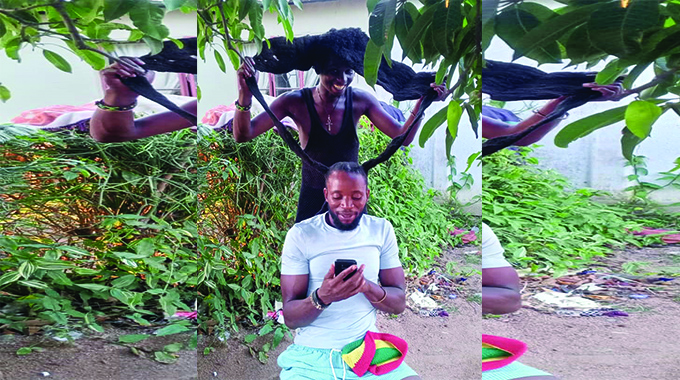
Ashley Phiri, [email protected]
IN a celebration of cultural diversity, dreadlocks emerge as a profound symbol of identity, spirituality and tradition. This distinctive hairstyle, known for its matted coils of hair, transcends mere aesthetics to embody various lifestyles and cultural movements, including Rastafarianism, Zimbabwean traditionalism and the artistry of mbira musicians.
The roots of Rastafarianism trace back to 1930s Jamaica, where dreadlocks are revered as a testament to one’s spiritual voyage and commitment to a natural way of life. Integral to Rasta culture is the use of marijuana during Nyabinghi reasoning sessions, which aim to enlighten participants and offer clarity on life’s questions. These gatherings are communal, with prayers to Jah (God) preceding the shared experience.
Rastafarianism champions the values of peace, love and unity, advocating for social justice and equality while rejecting materialism. Reggae music, deeply ingrained in the culture, acts as a vocal expression of their beliefs, with icons like Bob Marley, Peter Tosh and Burning Spear elevating the genre to global acclaim.
“I was inspired by Capleton and his music to join this culture. His music awoke a consciousness within me and I decided this was the life I wanted for myself. I have not cut my hair since 2016 and I don’t see myself ever doing it because I live by the Holy Book, specifically Numbers 6 verse 5,” said Melu, a self-identified Rasta.
He further clarifies that dreadlocks are not a prerequisite for Rastafarianism, but rather, “a pure heart and love” are the core tenets.
The narrative extends to Zimbabwe, where the mbira, a traditional instrument, resonates with spiritual significance. Mbira players, often adorned with dreadlocks, evoke ancestral connections and spiritual communication through their music.
Ugogo uMaDube, a resident of Iminyela suburb, recounts her personal journey with dreadlocks.
“I used to dream of myself sitting under a very big tree and playing mbira. The dream was so frequent that I told my mother and she told me I was special and loved by the ancestors. I got dreadlocks when I was 16 years old . . . I have a gift, ngiyaboniswa and my hair is part of my connection with my ancestors,” she said.
Dreadlocks also serve practical and aesthetic purposes in contemporary society. For many, particularly women, dreadlocks offer a cost-effective alternative to the upkeep of synthetic hair. John Fuyane, a proponent of the Rasta culture, elaborates on the diverse motivations behind adopting this hairstyle.
“People choose dreadlocks for various reasons. For most ladies, it’s about reducing the expense of frequently changing synthetic hair, while others are drawn to the natural look,” explains Fuyane.
He also highlights a burgeoning market where individuals sell their dreadlocks to those unwilling to wait for natural growth.
The sense of community among those who wear dreadlocks transcends the reasons for their choice. Regardless of their motivations, individuals with dreadlocks share a bond, often referring to each other affectionately as “Rasta”.



 Online Reporter