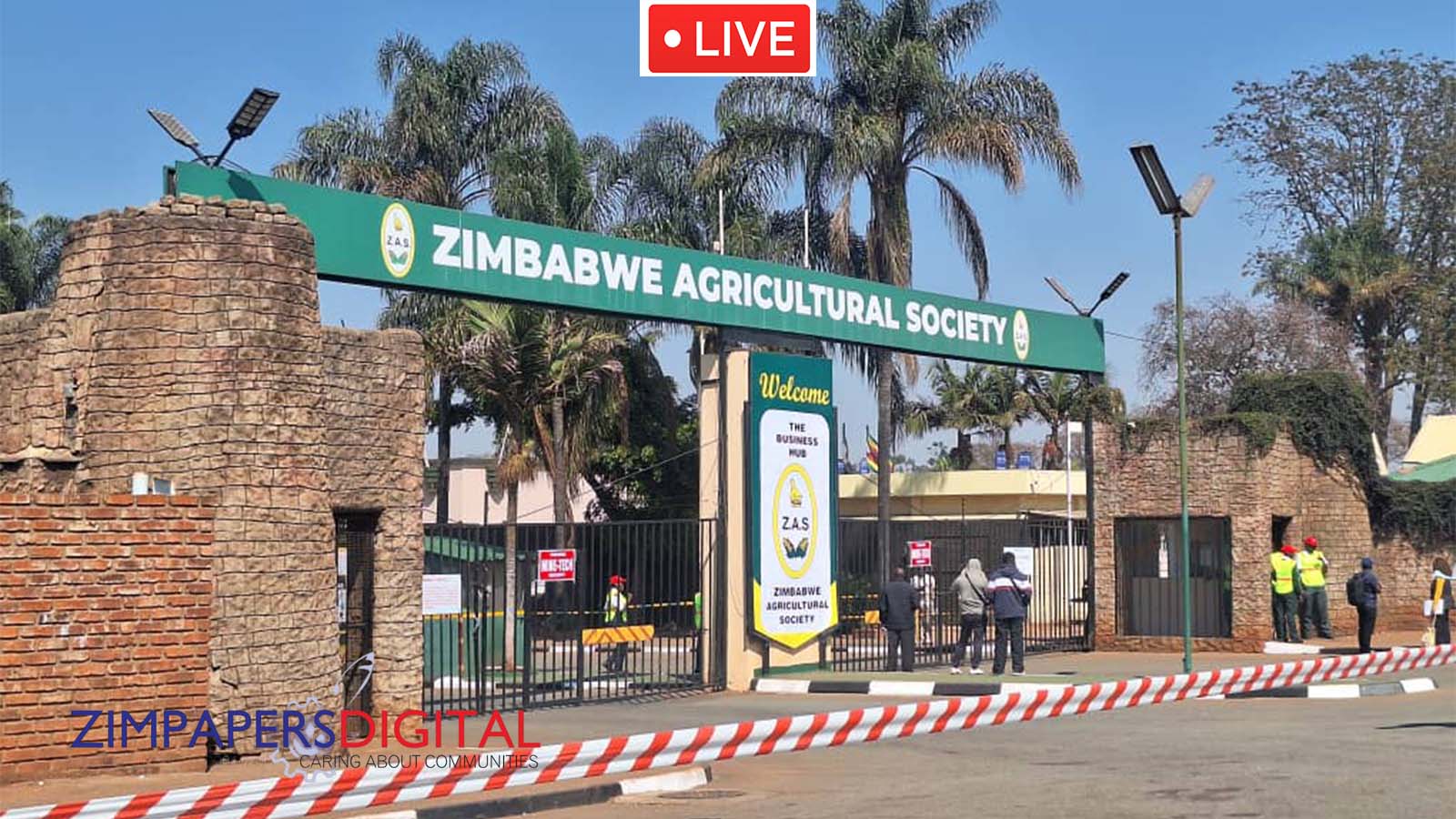
Good morning and welcome to our live coverage from the Exhibition Park in Harare, where the country’s premier agricultural showcase, the Zimbabwe Agricultural Show, has officially roared into life.
We will be bringing you the sights, sounds and key developments from the show as exhibitors showcase their products, services and innovations.
The 116th edition of the show brings together around 640 exhibitors, representing a 4.4 percent increase from last year, with all exhibition halls fully subscribed.
This year’s showcase is running under the theme, “Powering Growth: Where Agriculture, Technology and Commerce Converge,” highlighting the critical role of innovation and technology in driving Zimbabwe’s agricultural sector and the wider economy.
The show runs until Saturday, with Namibian President Netumbo Nandi-Ndaitwah expected to officially open the event later during the week.
Stay with us for live updates and more from the 116th Zimbabwe Agricultural Show.
Growing participation at Agric Show
ZAS CEO Mr Gunundu said the increased participation reflects growing confidence in the show as a platform for business, innovation and market access.
He said the growth also demonstrates the continued appeal of the show to both local and international exhibitors.

“ZAS 2026 has registered strong growth in the number of exhibitors, rising from 630 last year to 640 this year,” he said.
“New exhibitors stand at 86, representing a significant 13,4 percent of all exhibitors. This is a clear indication that there is growing interest in the Zimbabwe Agricultural Show.”
The show has also recorded an increase in foreign participation, with foreign exhibitors now accounting for 18 percent, up from 11 percent last year.
Mr Gunundu said the increase in international participation will provide visitors with an opportunity to interact with exhibitors from different markets while gaining exposure to new products, technologies and ideas.
“Foreign exhibitors have gone up from 11 percent last year to 18 percent this year, which is very encouraging,” he said.
“This growth in foreign participation brings diversity to the show and creates opportunities for knowledge sharing, business linkages and exposure to international products and innovations.”
Energy and excitement as carnival atmosphere engulfs ZAS
The atmosphere at the Zimbabwe Agricultural Show is nothing short of electric, with the Exhibition Park in Harare buzzing with activity as thousands of people make their way through the showgrounds.
From the colourful displays and lively music to the steady stream of visitors exploring the various stands, there is a palpable sense of excitement in the air.
The showgrounds have been transformed into a hive of activity, with exhibitors showcasing everything from agricultural machinery and technology to food products, livestock, financial services and locally manufactured goods.
The sights, sounds and aromas of the exhibition create a distinctly carnival-like atmosphere, with something to capture the attention of visitors of all ages.
Families are also making the most of the occasion, with children enjoying the entertainment and attractions while adults explore the latest products, innovations and business opportunities on offer.
Everywhere you turn, there are conversations, demonstrations, performances and people eager to experience what this year’s show has to offer.
The Zimbabwe Agricultural Show is a place where farmers, businesses, innovators and members of the public come together — creating an atmosphere that is as much about celebration and entertainment as it is about agriculture and commerce.

The 2026 Zimbabwe Agricultural Show gets underway as a procession marches through Harare’s Central Business District, marking the official start of this year’s edition.

Agriculture, innovation and enterprise take centre stage
Scenes from the opening day of the Zimbabwe Agricultural Show, where farmers, businesses and key stakeholders are showcasing a wide range of products, services and innovations.
The showgrounds are buzzing with activity as exhibitors engage with visitors, displaying agricultural produce, machinery, technologies and solutions aimed at driving productivity and economic development.
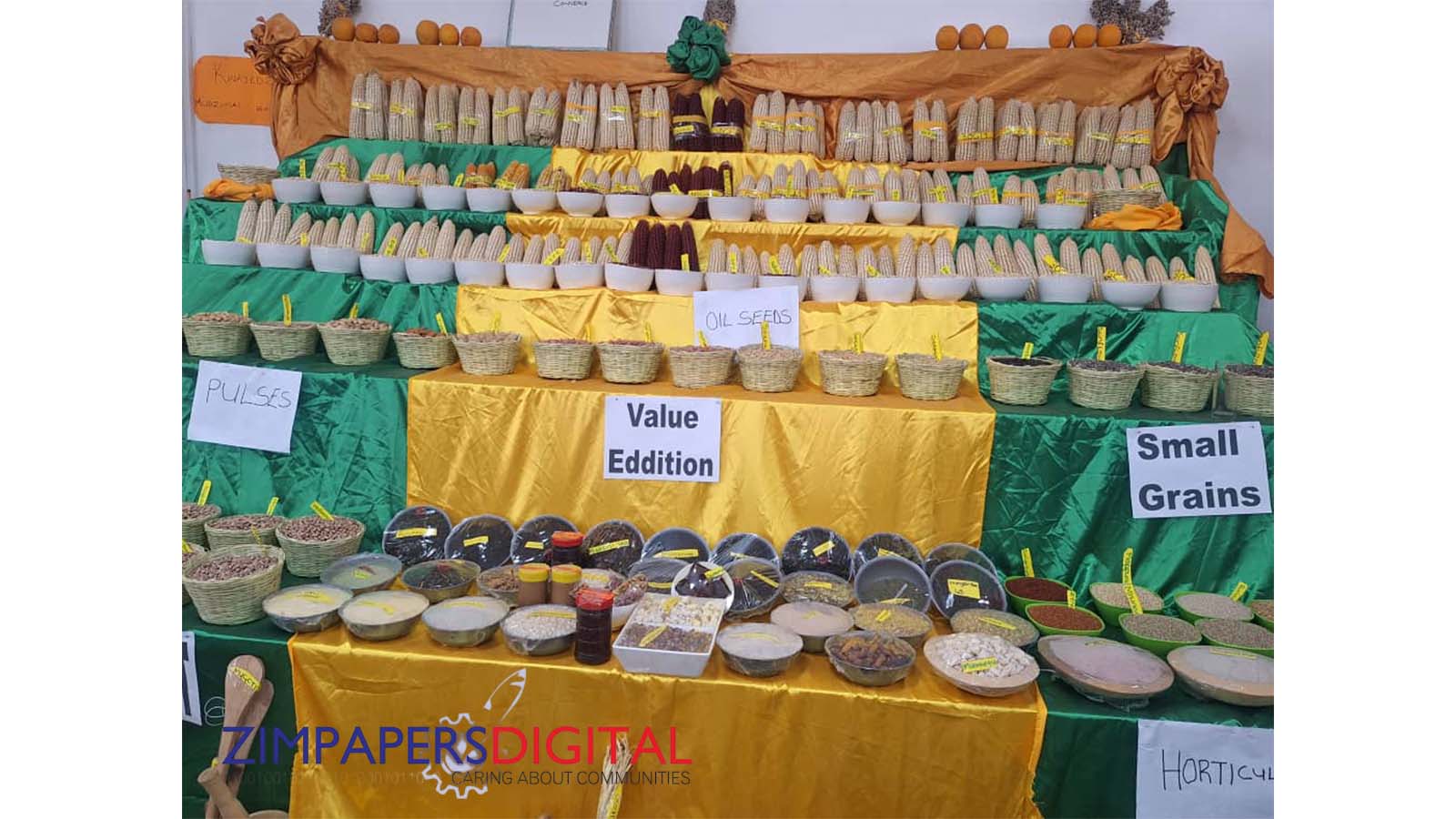
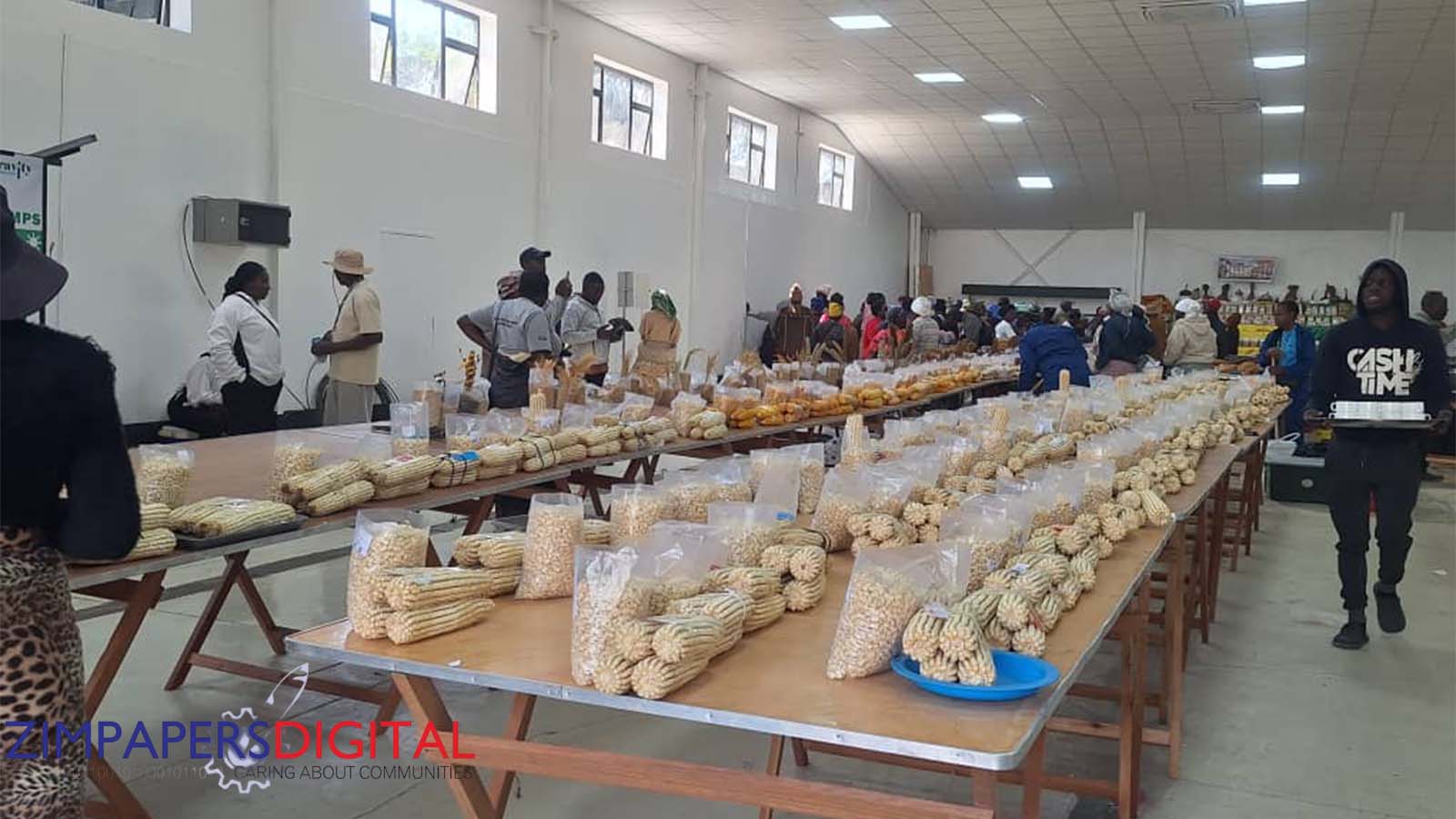
The event also provides a platform for farmers and entrepreneurs to connect with markets, explore new technologies, share knowledge and create business opportunities, while allowing members of the public to experience the diversity and innovation within Zimbabwe’s agricultural sector.
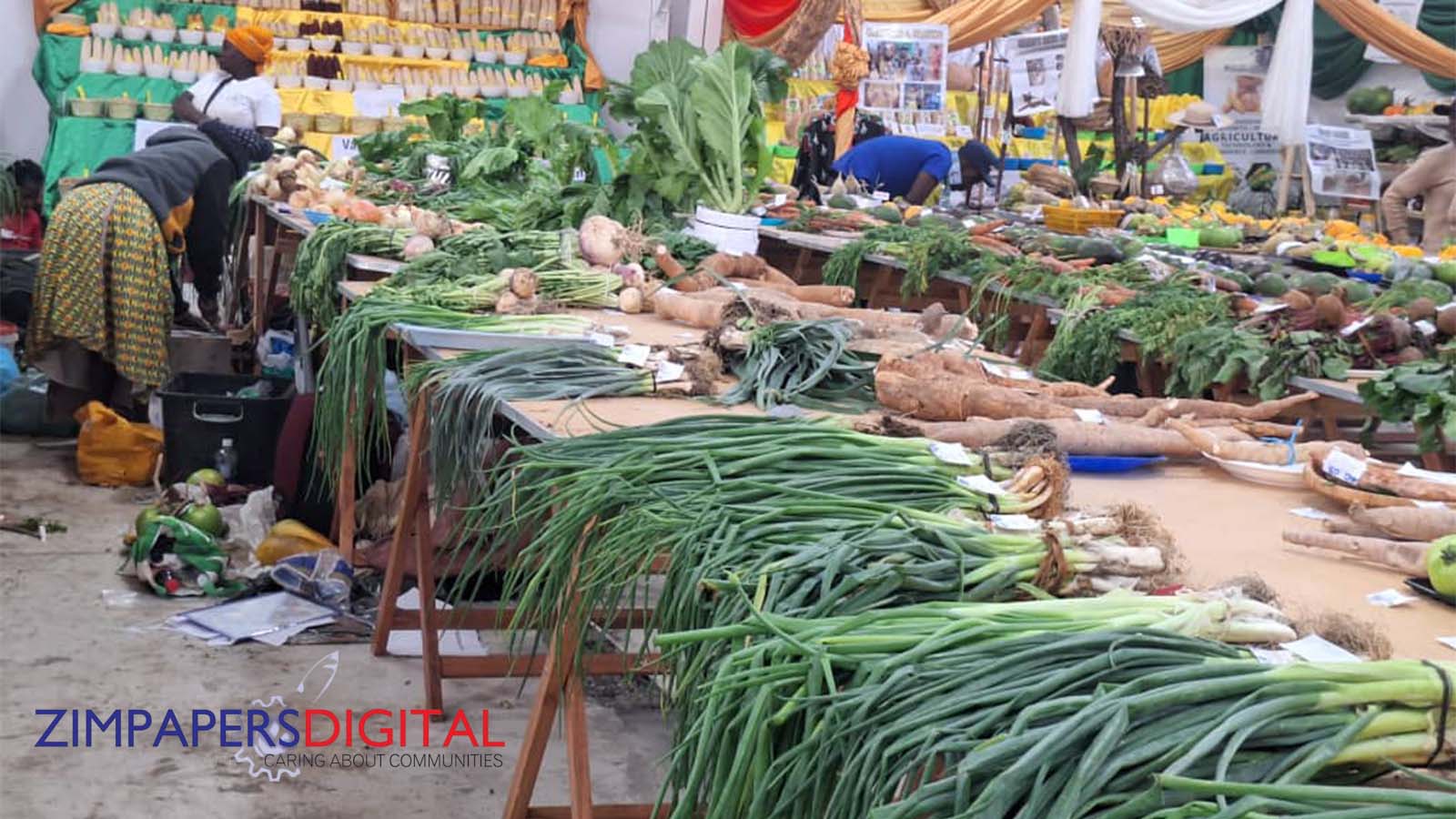
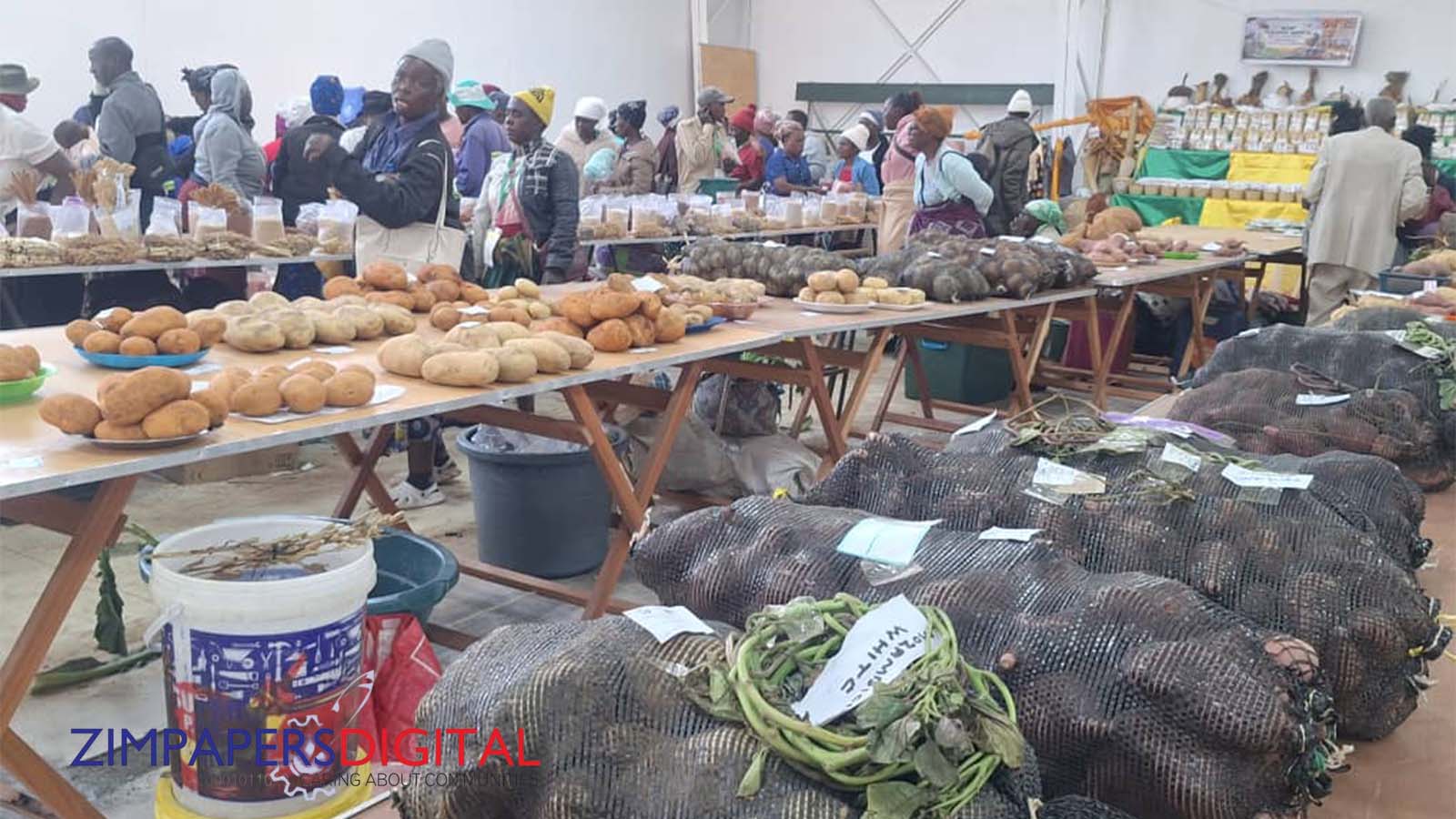
Rabbit farming shines as an alternative livestock enterprise
In the livestock section, Hoja Rabbits is exhibiting their different breeds of rabbits.
Ms Maryland Bote said the company is exhibiting New Zealand Whites, Masangos and other breeds for the first time.
“This is our first time exhibiting our rabbits at the Zimbabwe Agricultural Show,” she said.
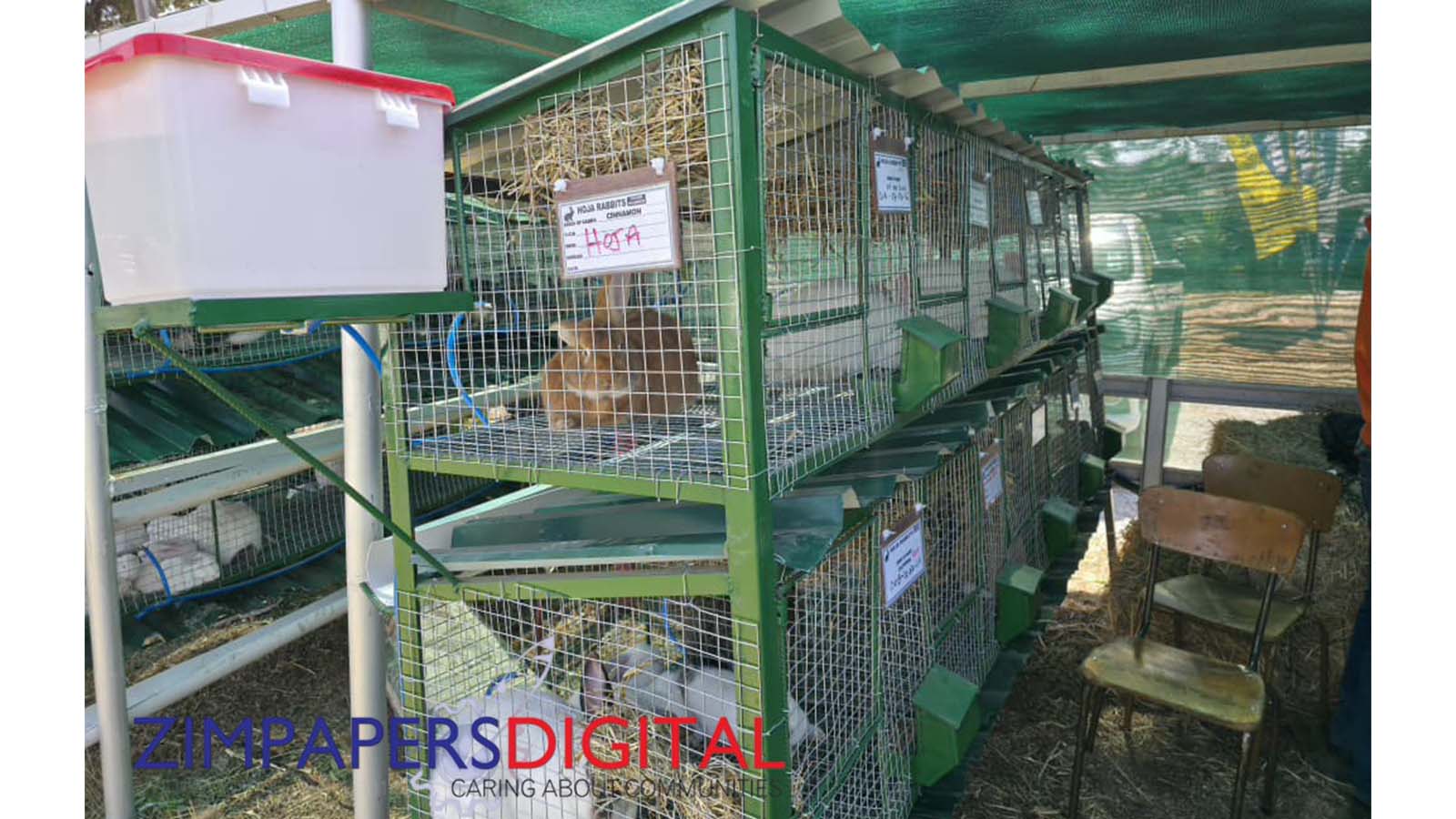
Ms Bote said they hope to equip visitors with practical knowledge on rabbit farming, particularly feeding and housing requirements.
The exhibition is also expected to promote rabbit farming as an alternative livestock enterprise among aspiring farmers.
Green Indaba generates practical solutions to Zimbabwe’s challenges
Government has called for greater investment in climate-resilient infrastructure as Zimbabwe seeks to build sustainable cities under Vision 2030.
Speaking at the second edition of the Green Indaba on the sidelines of the 116th Zimbabwe Agricultural Show today, Permanent Secretary in the Office of the Minister of State for Harare Provincial Affairs and Devolution, Dr Shingirayi Mushamba said urban development is critical in achieving the country’s upper middle-income economy target.

His speech was delivered by the Office’s Director of Economic Affairs and Investment, Mrs Spiwe Nyamatore.
“Our cities and towns are not simply places where people live. They are centres of economic activity, innovation, commerce, public services and social development,” said Dr Mushamba.
He said rapid urbanisation has exposed major challenges, including informal settlements, inadequate infrastructure, poor water and sanitation services, waste management deficiencies and climate-related risks.
“We should not look at these challenges as problems, but as opportunities for us to rethink how we plan, finance, develop and govern our settlements,” he said.
He said Government will continue promoting sustainable and affordable human settlements through improved planning, infrastructure development, climate resilience and innovative financing models.
Dr Mushamba also challenged researchers and development partners to generate practical evidence that directly informs Government policy and implementation.
“The success of today’s meeting should not be measured by the number of presentations made or the number of reports produced, but by how it enters our policy, influences planning, guides investment and helps local authorities make better decisions,” he said.
Zimbabwe Agricultural Society (ZAS) chief executive officer Mr Rufaro Gunundu said the Green Indaba has moved beyond discussion to identifying practical solutions for sustainable urban development.
“We are not gathered here just to talk. We are gathered to act,” Mr Gunundu said.
“Our cities are the engine of Zimbabwe’s future, but growth without inclusion is not progress. Growth without sustainability is not growth at all.”
The forum is intended to generate practical solutions to Zimbabwe’s challenges in urban centres, including housing, infrastructure, waste management and climate change.
Agris Show enters Day 2
Zimbabwe should strengthen linkages between agriculture, finance, technology and markets to unlock greater value from the sector and translate production into sustainable economic growth, the Zimbabwe National Chamber of Commerce (ZNCC) has said.
Speaking at a ZNCC breakfast meeting held on the sidelines of the ongoing Zimbabwe Agricultural Show this morning, the chamber’s chief executive officer Mr Christopher Mugaga said the country needs to address policy, logistics, competition and market-access constraints holding back agricultural value chains.
Mr Mugaga said Zimbabwe has significant opportunities to expand agricultural exports, particularly into major markets such as China.
However, he said weaknesses across the value chain continue to prevent locals from fully exploiting the opportunities.
He questioned why Zimbabwean agricultural products remain largely absent from major retail outlets and international markets.
“The question is whether it is a policy issue, a quality issue, or lack of information and knowledge,” Mr Mugaga said, calling for stronger collaboration among stakeholders to identify and address the bottlenecks.
He said the country needs to move beyond repeatedly highlighting challenges and develop practical solutions to improve the efficiency and competitiveness of agricultural value chains.
He also called for scrutiny of competition within agricultural markets, including possible monopolistic and anti-competitive practices that could prevent farmers from accessing major retail and formal markets.
“If a farmer producing cannot reach a local market, what could be the challenge?” he asked, stressing the need to identify specific barriers preventing producers from accessing consumers.

Miss Universe Zimbabwe 2026, Roseanna Hall, visits the Zimbabwe Agricultural Show in Harare this afternoon.
📸 : Charles Muchakagara




Attendance and exhibitor numbers surge on Day Two of the Zimbabwe Agricultural Show.
📸: Muchaneta Chimuka


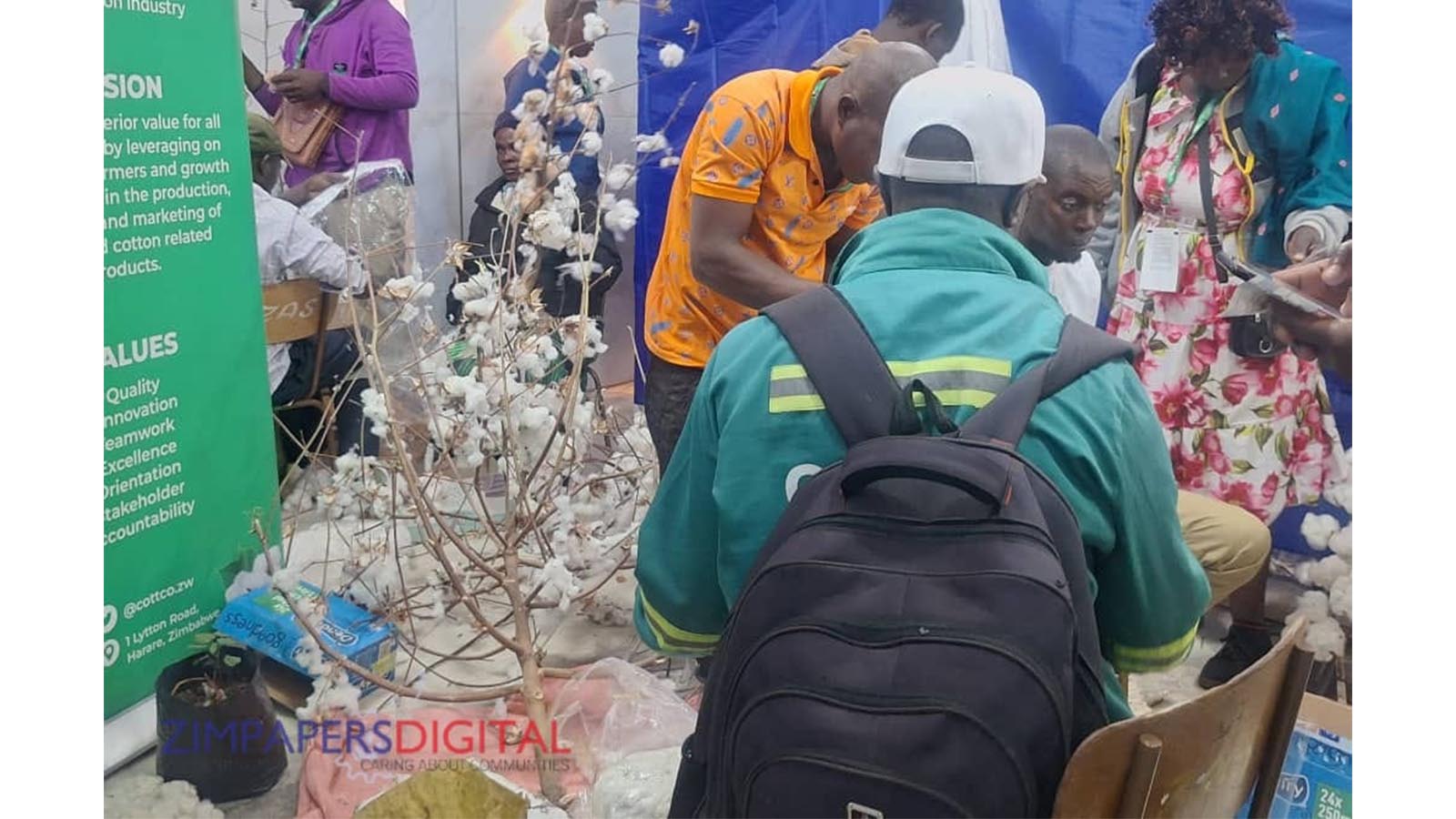



Step into TV, radio, digital, newspapers and commercial printing, all under one roof.
Come through the Zimpapers exhibition stand at the Zimbabwe Agricultural Show.
📸: Charles Muchakagara
ZAS enters Day 3 as Society calls for productivity-driven agricultural transformation
Zimbabwe must shift its agricultural focus from production potential to measurable productivity if the sector is to drive agribusiness growth and strengthen food security, Zimbabwe Agricultural Society (ZAS) president Mr Ngoni Kudenga has said.
Mr Kudenga made the remarks at the 14th Annual National Agribusiness Conference, being held on the sidelines of the ongoing 116th Zimbabwe Agricultural Show.
The conference is running under the theme “Agricultural Productivity as a Catalyst for Agribusiness Growth and Food Security”, with stakeholders from across the agricultural value chain discussing ways of improving productivity and unlocking investment.
Mr Kudenga said the theme was a call for Zimbabwe to move beyond discussions about agriculture’s potential and focus on actual performance.
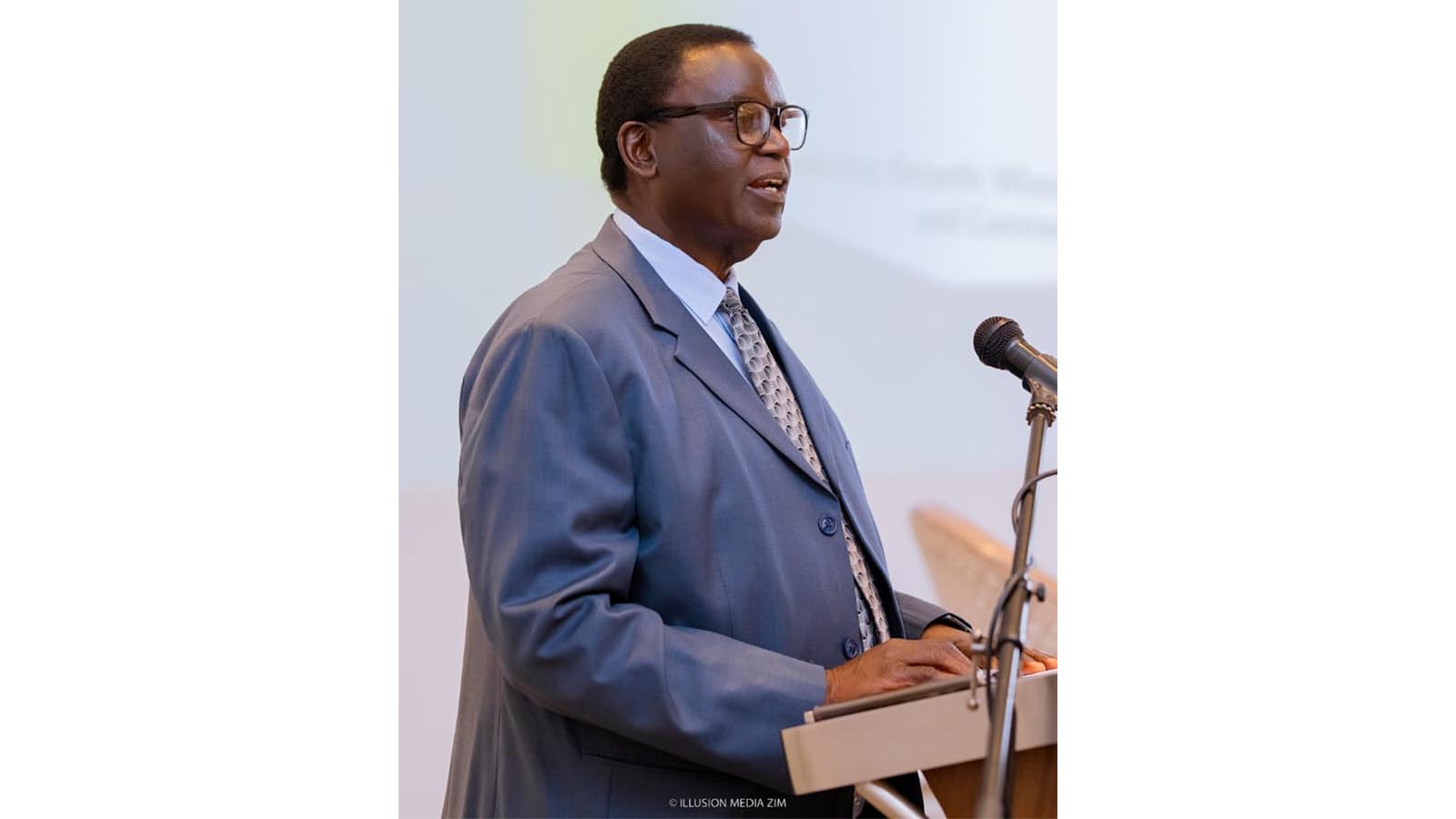
“For too long, we have spoken about agriculture’s potential. Today, we must speak about agriculture’s performance,” he said.
He said higher yields per hectare and per livestock unit would translate into improved farmer incomes and increased reinvestment, while providing processors and other businesses across the value chain with a more reliable supply of raw materials.
“When productivity rises, the farmer earns more. Agribusiness grows. Processors have consistent supply. Input companies have a market. Logistics firms have goods to move. Banks have bankable clients,” Mr Kudenga said.
Mr Kudenga said the productivity agenda was aligned with the country’s National Development Strategy 2 and Vision 2030, which position agriculture as a key driver of economic growth, employment and exports.
He said the targets could only be achieved if Zimbabwe addressed structural constraints affecting productivity, particularly declining soil fertility, limited irrigation, inadequate access to mechanisation and technology, expensive financing and weak market linkages.
“Declining fertility is a silent constraint on our yields,” he said, calling for increased soil testing, improved fertiliser-use efficiency and wider adoption of climate-smart agricultural practices.
Shift to regional agro-industrial hub: Minister Masuka
Zimbabwe must leverage its agricultural resources, strategic location and human capital to transition into a regional agro-industrial hub, Agriculture, Mechanisation and Water Resources Development Minister Dr Anxious Masuka has said.
Minister Masuka said the transition would be critical to unlocking higher agricultural productivity, expanding agribusiness and growing Zimbabwe’s contribution to regional food security.
He was speaking at the 14th Annual National Agribusiness Conference held on the sidelines of the ongoing 116th Zimbabwe Agricultural Show.
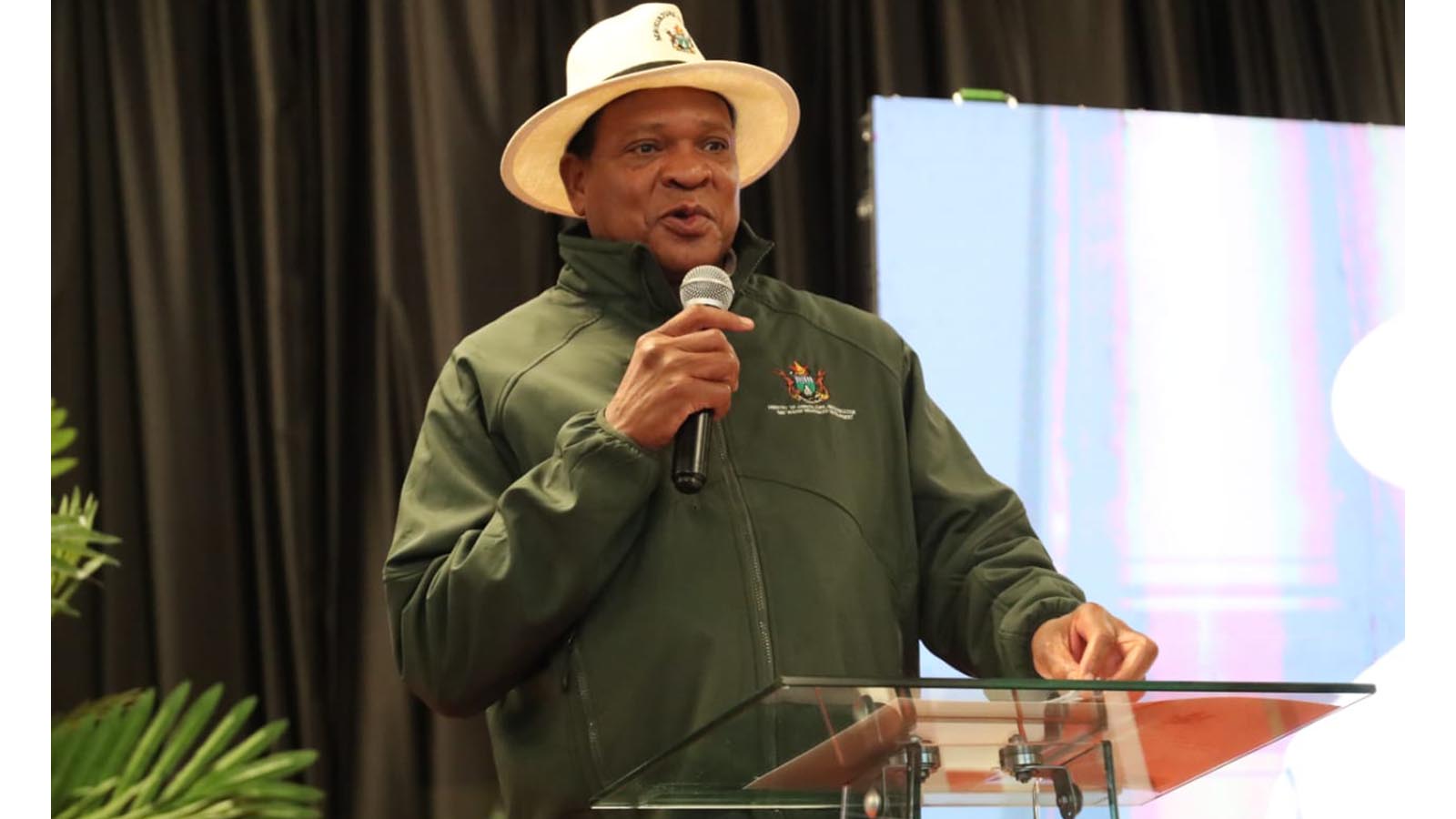
“If we get productivity right, agribusiness growth and food security will follow,” Dr Masuka said.
He said Zimbabwe had several natural and structural advantages that provided a strong foundation for agricultural and agro-industrial development.
The country is strategically located in Southern Africa and has diverse agro-ecological regions, good soils and climatic conditions that support the production of a wide range of crops and livestock.
“Zimbabwe clearly must move and transition from being a breadbasket to becoming the agro-industrial hub, serving the region, taking advantage of the African Continental Free Trade Area, but going beyond so that we can begin to create the Zimbabwe we want,” he said.
The minister said the country’s agricultural transformation should therefore extend beyond increasing primary production to developing competitive value chains capable of supplying regional and international markets with processed and value-added products.
Such a transition would create opportunities for farmers, processors, manufacturers, logistics companies, financiers and other businesses across the agricultural value chain.