admin
admin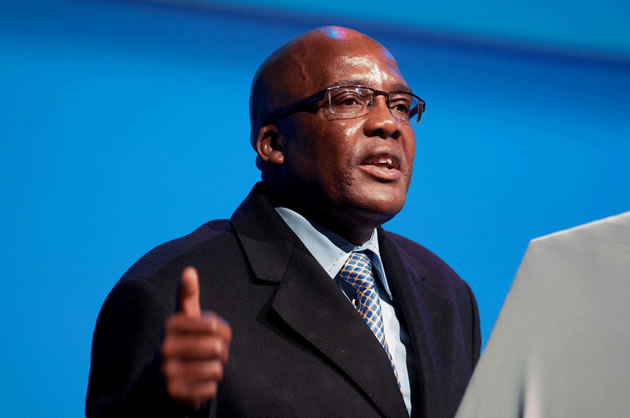
Paidamoyo Chipunza Senior Health Reporter
African leaders attending the 18th International Conference on Aids and STIs in Africa (ICASA) have re-dedicated themselves to fighting HIV and vowed to continue with their efforts to end Aids by 2030.
In the 11-point Harare Declaration read by Secretary for Health and Child Care Dr Gerald Gwinji during the conference’s closing ceremony in Harare yesterday, the leaders said they were committed to fast track their efforts in ending Aids.
They said this would subsequently result in the achievement of the world’s agenda for sustainable development.
“We embrace with enthusiasm and dedication the vision of the end of Aids and commit our wholehearted efforts at local, national and regional level to implement fast track to ending Aids by 2030 and it will help achieve the world’s new 2030 agenda for sustainable development,” said the leaders.
They also expressed concern on persistent HIV-related stigma and discrimination and vowed to implement inclusive responses to HIV led by people living with HIV.
“We are dismayed by persistence of HIV-related stigma and discrimination and in the spirit of ‘No one left behind’ we dedicate ourselves to inclusive Aids responses led by people living with HIV, that embrace diversity and actively combat marginalisation and victimisation of minorities of every type.”
The leaders also said they pin their hope to ending Aids on scientific advances which have already given birth to anti-retroviral drugs and increased the range f biomedical strategies to prevent new HIV infections.
In the same vein, the leaders applauded African scientists participating in different HIV researches and pledged their support to the visibility of African HIV science.
They also expressed concern on the burden of HIV and Aids on women and bemoaned little involvement of men in the HIV response promising to implement programmes that engage men.
Speaking at the same occasion, South Africa’s Minister of Health, Dr Aaron Motsoaledi, called on all countries represented to take back lessons learnt from ICASA and implement programmes that decrease new infections, illnesses and deaths.
He said there was also need for countries to refocus their efforts on adolescents who are the worst affected age group throughout the continent.
“We need to focus on adolescents with the same vigour that we dealt with elimination of mother-to-child-transmission,” said Minister Motsoaledi.
Minister Motsoaledi congratulated Cuba for being the first World Health Organisation certified country to have eliminated mother-to-child-transmission of HIV.
“South Africa is committed to the elimination of mother-to-child-transmission and I am sure that all countries in our region will also follow the example of Cuba,” he said.
An estimated 5 000 delegates from about 172 countries attended this year’s largest continental gathering on Aids and sexually transmitted infections.
The six-day conference, which started last Sunday, ran under the theme “Linking Leadership, Science and Human Rights”.
Top scientists, HIV activists, pressure groups, youths and community representatives were among some of the participants to this year’s ICASA.


 Online Reporter