Online Reporter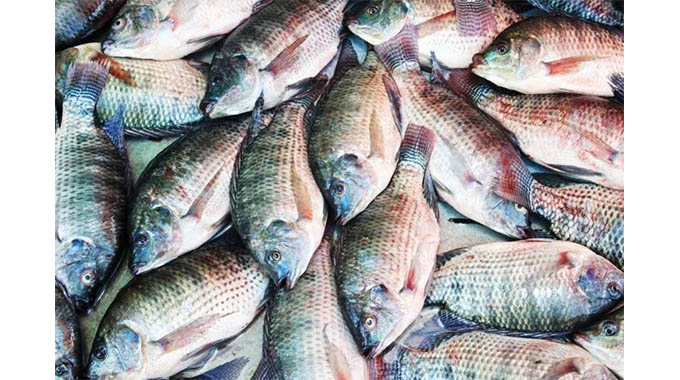
Theseus Shambare
REPRESENTATIVES from African Union (AU) member states have started arriving in Harare for a three-day stakeholders’ consultative and validation workshop on fisheries management and aquaculture development.
The workshop, which starts today until Friday, is focusing on enhancing sustainable fisheries management and aquaculture development across the continent.
It is part of the Fisheries Governance Project Phase 2 (FISHGOV 2), an initiative aimed at accelerating reform within the sector.
The core objective of the gathering is to review national fisheries policies in AU member states and formulate specific recommendations for aligning them with global instruments.
In an interview, Fisheries and Aquaculture Resources Department director Mr Milton Makumbe said the workshop comes at a time Zimbabwe is crafting its policy.
“The Government has taken a groundbreaking step towards unlocking the potential of the fisheries and aquaculture sector by introducing the Fisheries and Aquaculture Bill,” he said.
“To ensure the Bill addresses the sector’s challenges, nationwide stakeholder consultations have been held, bringing together fish farmers, processors, traders and Government officials.”
The consultations, he said, have highlighted several key issues that need to be addressed to unlock the sector’s potential.
“We are seeking to ensure our sector aligns with regional and international standards,” said Mr Makumbe.
Participants will also assess the extent to which national fisheries and aquaculture strategies, as well as National Agricultural Investment Plans (NAIPs), are in line with the Policy Framework and Reform Strategy for Fisheries and Aquaculture in Africa and climate change adaptation measures.
The draft concept note for the workshop highlights the critical role of Africa’s fisheries resources, stating that they “provide essential benefits to over 10 million people, most of whom are rural poor”, contributing significantly to “food security, improved nutrition, and enhanced livelihoods”.
However, the document also underscores the severe threats facing the sector due to “weak and uncoordinated institutions, as well as ineffective fisheries management”.
Over the coming days, participants will engage in a series of sessions including presentations, group work and plenary discussions.
The agenda outlines key activities such as the “identification of priority areas and establishment of working groups” and in-depth reviews where each group will “review and enrich the reports of the consultation and exchange within the working groups related to the NAIPS, national fisheries and aquaculture policies and initiatives, environmental management and climate change adaptation.”