

 Online Reporter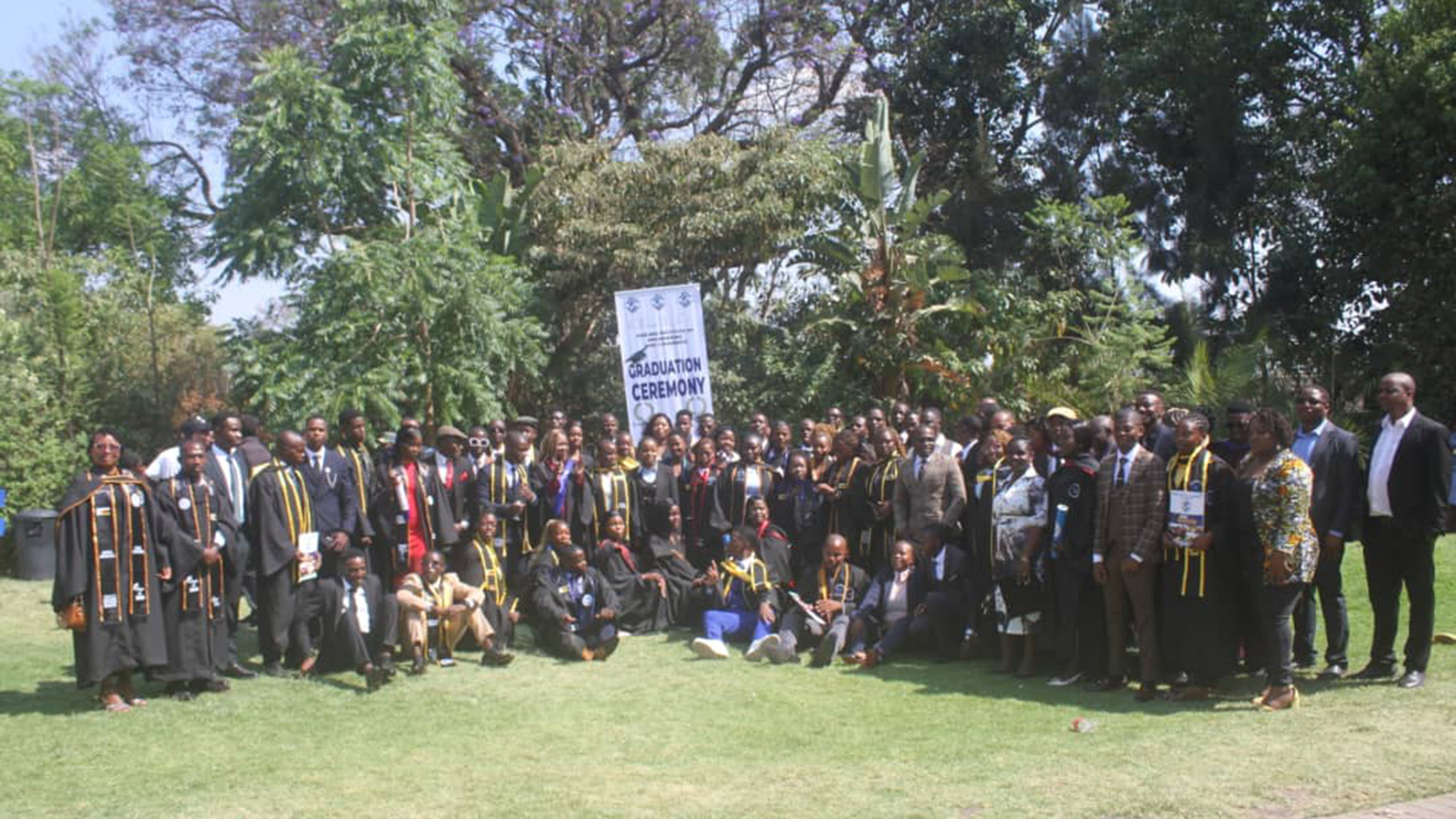
Online Reporter
THE Harare Institute of Engineering and Commerce (HIEC) has hailed President Mnangagwa’s strong support for tertiary institutions, which is laying the foundation for a knowledge-driven economy through the adoption of the heritage-based Education 5.0, an essential driver of the National Development Strategy (1).
HIEC said through support from the Government and cooperating partners, they were moulding skilled professionals who were contributing to key national development projects such as the world-class Trabablas Traffic Interchange in Harare.
Speaking at a graduation ceremony for 95 students in the capital on Friday, HIEC founder Mr Kelvin Pike said privately owned tertiary institutions were complementing State-owned ones in producing skilled personnel for the public and private sectors.
The graduates were awarded National Certificates, Diplomas and Higher National Diplomas in civil engineering, quantity surveying, urban and regional planning, architectural technology and accountancy, marketing management, geomatics and estate management, among other disciplines.
“We are helping to mould great professionals as part of our commitment to Vision 2030, and we would like to thank President Mnangagwa and the Ministry of Higher and Tertiary Education for the support rendered to us over the years,” said Mr Pike.
“Without this support, we would not have been able to overcome some challenges we have faced, particularly during the Covid-19 era when normal learning was disrupted.
“Many of our graduates have been absorbed in Government Ministries and departments and have participated in key projects such as the Trabablas traffic interchange.”
In a speech read of his behalf by acting provincial infrastructure director Mr Herbert Parichi, the Minister of State for Provincial Affairs and Devolution for Harare Province, Senator Charles Tawengwa, said capital development and innovation were crucial for the country’s progress towards Vision 2030.
“Today’s graduation ceremony is a testament to HIEC’s commitment to embracing heritage-based Education 5.0,” said Sen Tawengwa.
“The institution has not only excelled in producing skilled engineering graduates but has also fostered a new generation of entrepreneurs.
“These entrepreneurs are vital to the economy, creating employment opportunities and driving innovation through the development of new products and services.”
Additionally, they were generating tax revenue that could be reinvested in public services and infrastructure through the Devolution Funds.
The 2018 National Critical Skills Audit revealed significant gaps between the supply and demand for skills in key sectors, indicating a 68 percent deficit in qualified specialists and technicians, particularly in engineering and technology.
Sen Tawengwa said HIEC was playing a pivotal role towards bridging the skills gaps by producing qualified engineering technicians and specialists.
“The President often states that ‘Nyika inovakwa neve vayo’,” Senator Tawengwa said.
“I am particularly proud to note that some of today’s graduates contributed their engineering skills to the construction of the iconic Trabablas Interchange during their on-the-job training programme.
“This accomplishment is not just a reflection of their hard work but also exemplifies how local institutions contribute meaningfully to national development.”
Sen Tawengwa said the Government was committed to facilitating opportunities for higher and tertiary institutions to enhance their human capital development programmes.
HIEC principal Mr Patterson Munatsi said they would continue pursuing academic and operational efficiency to release competent professionals into the national economic landscape.
“At HIEC, we operate under a clear mandate, ensuring our institutional strategy aligns seamlessly with the national policy framework and the strategic roadmap set forth by our Government on the creation of an upper middle-income society by 2030.



