Online Reporter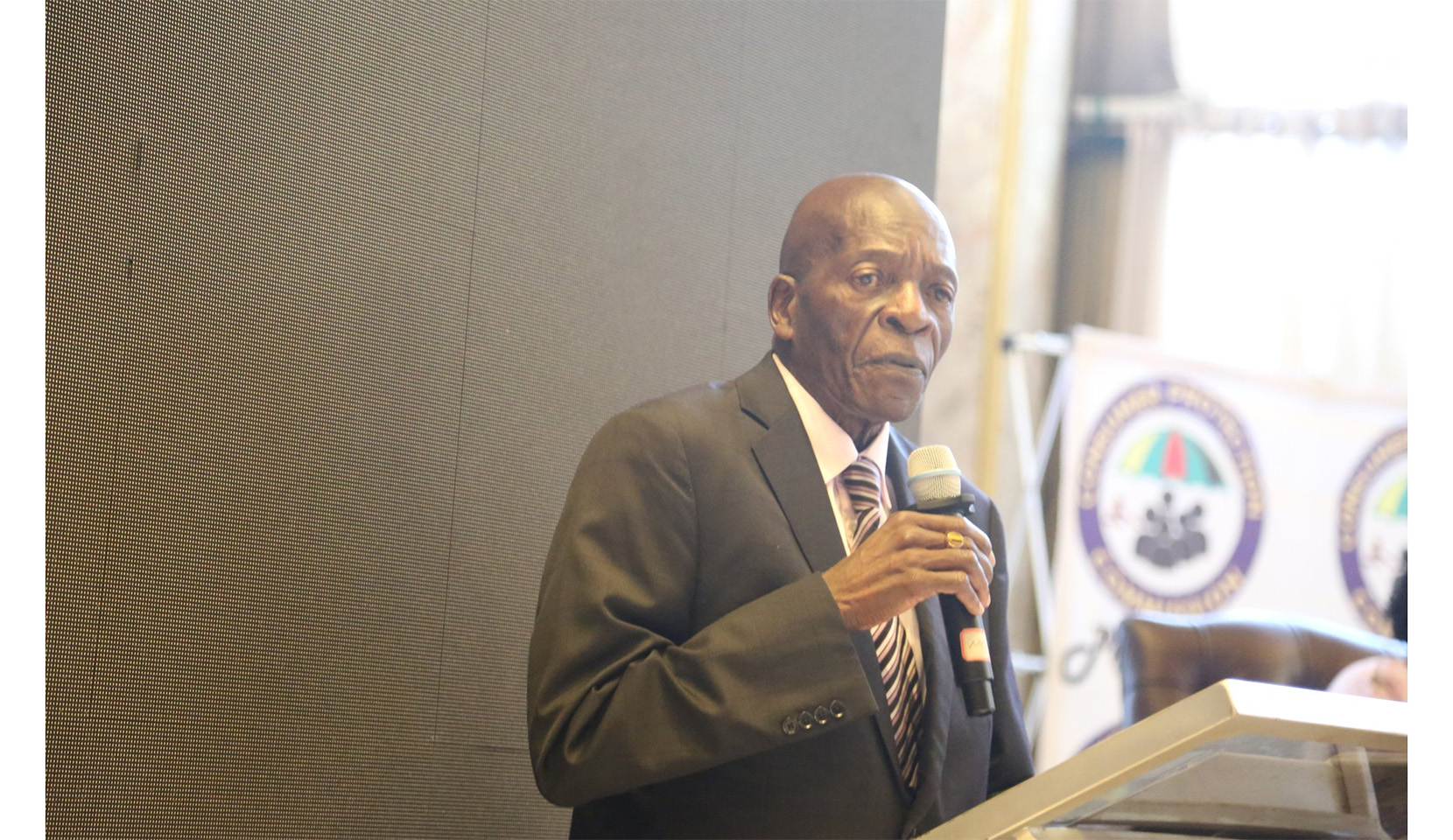
Yeukai Karengezeka-Herald Correspondent
HARARE Metropolitan Province is stepping up its efforts to address the twin challenges of HIV and AIDS, as well as the growing scourge of drug and substance abuse, while raising awareness on non-communicable diseases such as hypertension and diabetes.
This was revealed during a sensitisation meeting held last Friday at Mazowe Hotel, where Minister of State for Provincial Affairs and Devolution in Harare Metropolitan Senator Charles Tawengwa delivered the keynote address.
His speech was read on his behalf by the metropolitan provincial director of accounts, administration and human resources Mrs Margret Nyakujara.
The meeting, attended by provincial heads from ministries, departments, and agencies, focused on creating a coordinated response to these critical health and social challenges.
In his address, Sen Tawengwa emphasised the importance of multisectoral collaboration, which has been central to the province’s developmental and health strategies.
“Harare Metropolitan Province has established a decentralised structure that integrates all Government ministries, departments, and agencies. This has significantly strengthened our response to HIV, enabling us to tackle this epidemic more effectively,” he said.
Harare remains one of the provinces most affected by HIV, with approximately 206 436 people living with the virus as of 2023. The HIV prevalence rate among the 15-49 age group stands at 8,88 percent.
Despite these sobering statistics, the province has made commendable progress in reducing HIV incidence, which has declined from 0,67 percent in 2011 to 0,11 percent in 2024.
However, Senator Tawengwa stressed the need to focus on vulnerable groups, including adolescent girls and young women, boys and young men, as well as key populations such as sex workers and those in the informal business sector.
“Our programmes are largely driven by dedicated community volunteers who tirelessly generate demand for HIV-related services. These services, coordinated by the National AIDS Council and our partners, are delivered at the community level,” he noted.
The minister expressed concern over the alarming rise in drug and substance abuse among the youth, describing it as a serious threat to the province’s health and social fabric.
Substance abuse not only increased the risk of HIV transmission through risky behaviours such as unprotected sex and needle sharing, but also complicated efforts to manage the virus.
The minister urged provincial leaders to take an active role in raising awareness, promoting preventive measures, and advocating for resources to support health initiatives.
Senator Tawengwa also announced plans for the provincial World AIDS Day commemoration, which is set to take place in Hopley on June 20.
The minister extended his gratitude to the National AIDS Council, who funded the event, and the Ministry of Health and Child Care for organising the sensitisation meeting, which he described as a vital platform for addressing health challenges in the province.
The National AIDS Council Harare Metropolitan Province Manager, Mr Adonijah Muzondiona, said HIV is now closely linked to the rise of non-communicable diseases (NCDs) which created a new dimension in HIV management.
“The programme was very important because HIV has come a long way, and new issues are emerging. For instance, HIV is now affected by the emergence of NCDs, so people need to understand the impact of HIV on those with NCDs, and vice versa,” said Mr Muzondiona.
He highlighted the critical role of heads of departments in workplaces, as they lead large groups of people, many of whom may be affected by both HIV and NCDs.
Mr Muzondiona also called for continued advocacy, noting that some individuals have become complacent due to the availability of antiretroviral therapy that has done so much to both give those living with HIV normal lives and to suppress the virus so that they are no longer infectious.
“New infections are still a threat. Children are still being born with HIV. While we are happy that our HIV prevalence and incidence rates are declining, there is still need to promote prevention and the use of protection,” he added.
The Harare Metropolitan provincial medical director, Dr Innocent Hove, also emphasised the importance of engaging leaders to combat stigma and dispel myths surrounding HIV.
He pointed out that many individuals living with HIV are now living longer due to ART, which has led to an increased prevalence of NCDs among this population.
“As the Ministry of Health, we have programmes aimed at preventing Mother-To-Child Transmission of HIV, which are being implemented across the country. While transmission still occurs, we believe our initiatives are effective in reducing the number of babies born with HIV,” said Dr Hove.
Bishop Rodgers Jefrey of Trebancle Worship Family Ministries International, who was part of the event, pledged to cascade information on HIV and NCDs to church members, particularly as stigma and discrimination remain significant challenges.