admin
admin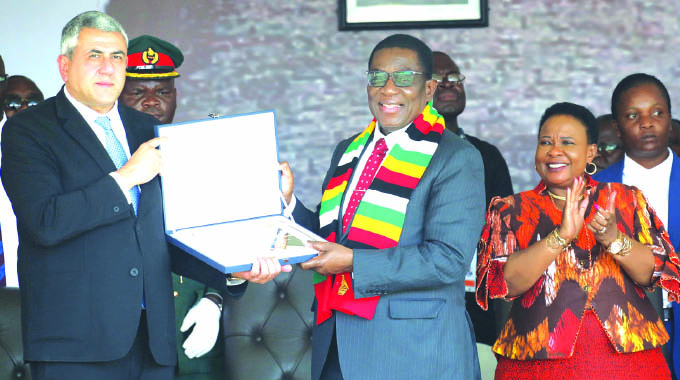
Nqobile Bhebhe in VICTORIA FALLS
PRESIDENT Mnangagwa has urged Africa to capitalise on the rapidly growing Gastronomy Tourism sector to bolster individual economies and establish the continent as a globally appealing and competitive destination.
He said Africa’s rich cultural heritage, diverse cuisine, and unique beverages presented vast potential for the growth and development of its tourism industry.
Speaking at the official opening of the historic inaugural United Nations Tourism Regional Forum on Gastronomy for Africa here yesterday, President Mnangagwa said gastronomy presents remarkable opportunities for the continent to grow its economies.
“Globally, a positive trend has been witnessed with tourism growth now exceeding 90 percent of its pre-COVID-19 pandemic levels. Regrettably, the African region has been contributing below five percent of global tourism performance,” said the President.
“As such, the promotion of products such as Gastronomy Tourism and others like the ‘Brand Africa’ initiative will undoubtedly go a long way to enhance Africa as an attractive and competitive destination, worldwide.
“I commend the UN Tourism and all stakeholders who continue to push the boundaries and reignite Africa’s tourism sector leveraging on the Continent’s unique natural and cultural offerings, including our foods and cuisines. Congratulations!”
The prestigious event, which has drawn thousands of delegates, ends on Sunday.
Hosted under the patronage of First Lady, Dr Auxillia Mnangagwa and co-organised with the Basque Culinary Centre, it aims to harness the transformative power of gastronomy tourism for the benefit of local communities and territories on the African continent.
During the event, President Mnangagwa and the First Lady, Dr Mnangagwa, were honoured by United Nations Tourism.
Tourism and Hospitality Industry Minister Barbara Rwodzi, several top Government officials, traditional chiefs, players in the tourism sector, and tertiary institutions attended the official opening. The cast of foreign dignitaries was led by UN Tourism Secretary-General Zurab Pololikashvili.
President Mnangagwa noted that last week in Harare, a Zimbabwe-Mozambique-Zambia Trans-frontier Conservation Area was launched, reflecting the commitment by Sadc member states to grow the tourism sector along with effective natural resources management as a catalyst for sustainable prosperity and shared success.
The President said the tourism and hospitality industry is a critical cog in the country’s national development agenda and ongoing journey to realising an inclusive and sustainable tourism sector, which leaves no one and no place behind.
He said the sector is currently the third-largest contributor to the country’s National Gross Domestic Product and one of the key economic growth factors, having achieved a 34 percent increase in tourism arrivals last year alone.
Zimbabwe’s tourism sector is experiencing a remarkable resurgence. Tourism is a key pillar of the Zimbabwean economy and ranks third after mining and agriculture. A US$5 billion tourism sector target has been set for 2025 as envisaged by the National Development Strategy 1.
President Mnangagwa told delegates that in the case of Zimbabwe, Gastronomy Tourism has grown and remains anchored on grassroots initiatives.
“Recently, under the leadership of the First Lady, Dr Mnangagwa and her teams, in her capacity as the Patron of the Tourism and Hospitality Industry, Traditional Cookout Competitions were rolled out in our country’s provinces.
“These culminated in Regional Cookout Competitions and have seen some of the contestants developing marketable products for both the local and international markets.”
The President said key lessons learned include the fact that traditional gastronomy cuisine goes beyond preparing food and attracting food enthusiasts.
“It is also a key driver for the transformation of economies, community empowerment, and a catalyst for cultural branding for socio-economic benefits.”
He said tourism is an intricately integrated system of many actors who rely on each other, made up of important value chains in the local economy.
As such, to sustainably grow the tourism and hospitality sector, President Mnangagwa said the Government has developed a cluster-based strategy, with gastronomy tourism being part of the Culture and Heritage Cluster.
“The Zimbabwe Gastronomy Tourism Strategy recognises value chains from suppliers of ingredients which includes local communities and farmers, as well as the processors and distributors, being airlines, hotels, and restaurants.
“This further draws from the Farm to Market Concept. Central to gastronomy tourism is a thriving agriculture sector. It is, therefore, imperative that, as we grow this gastronomy tourism sub-sector, Africa must be a continent able to feed itself.”
President Mnangagwa said in addition to the cluster-based strategy, Zimbabwe has embraced the Heritage-based Tourism philosophy, which focuses on the benefits arising from a unique environment, as well as traditions, culture, and norms.
“Synergies among stakeholders in the Tourism and Hospitality Industry, including with culinary experts and local communities, are being strengthened to identify and promote locally authentic dishes, traditional cooking methods, and local ingredients.”
The President said traditional cuisines are more than mere meals but an expression of identity, blended with the beauty of landscapes and seasons. He expressed confidence that delegates will embrace possible linkages to broaden Africa’s culinary portfolio.
Zimbabwe was chosen to host the forum in recognition of the work being done by the First Lady, Dr Mnangagwa, who has been promoting the concept of gastronomy tourism from the grassroots. She has been instrumental in advocating gastronomy tourism through her humanitarian work with her Angel of Hope Foundation locally and abroad.
A Zimbabwean delegation made an exceptional exhibition of the country’s culture and cuisine at a similar forum held in Spain in October 2023.
The First Lady has also pushed the gastronomy tourism agenda, thereby helping market the country’s traditional cuisine as she has been promoting cultural norms and values through the National Traditional Cookout Competition, where citizens have been showcasing traditional foods from ward up to the national level.
The inaugural event sets Zimbabwe as a leader in gastronomy in the motherland as the Government pursues a new agenda of introducing new tourism activities and packages, with sports, gastronomy, religion, and cultural tourism topping the agenda.


 Online Reporter