daniel chigunwe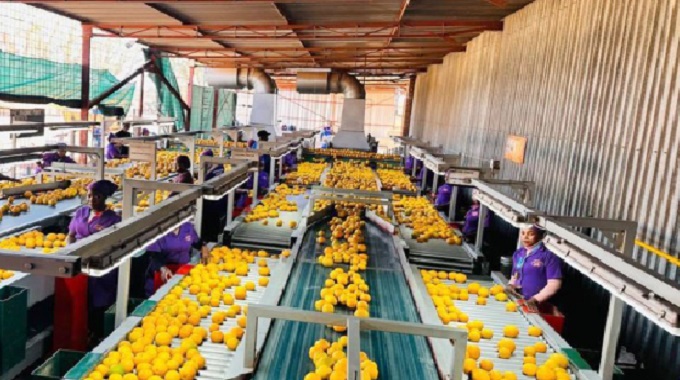
Note from ZNCC
Zimbabwe’s horticulture sector, once a beacon of agricultural excellence in Southern Africa, is currently navigating a path to resurgence.
The 2024 National Horticulture Conference and Exhibition, held in Harare, brought together industry experts, policymakers, farmers, and stakeholders to discuss strategies for revitalising and expanding this crucial sector.
The conference provided a platform to deliberate on the challenges and opportunities in horticulture, to ensure that Zimbabwe’s produce not only meets local demand but also competes successfully in international markets. The two-day event was being hosted by the Conventions Management Company, a division of Kestmar Investments.
Market positioning and research: A strategic imperative
The conference underscored the importance of strategic market positioning and research in driving the growth of Zimbabwe’s horticulture sector.
A key resolution was the need to understand and target emerging markets, particularly the growing vegetarian and plant-based product markets. With increasing health consciousness among higher-income groups in regions like the European Union (EU), United States, and Asia, there is a significant opportunity for Zimbabwe to capitalise on these trends.
However, successful market entry requires a thorough understanding of consumer preferences, regulatory requirements, and market dynamics.
Participants emphasised that market research should be prioritised to ensure that production aligns with the demands of these target markets.
This includes producing crops that meet the required quality, variety, and shelf life. By tailoring production to specific market needs, Zimbabwean producers can enhance their competitiveness and establish a stronger presence in lucrative international markets.
Investment and funding: Closing the financial gap
One of the most pressing challenges facing Zimbabwe’s horticulture sector is the lack of adequate investment and funding, particularly for small-scale farmers.
The conference highlighted the need for financial institutions to develop and implement policies that support the sector. This includes providing accessible and affordable financing options tailored to the unique needs of horticultural producers.
Government incentives were also identified as crucial in reducing production costs and enhancing efficiency.
Existing incentives, such as duty-free importation of agricultural equipment, should be leveraged more effectively.
By reducing the financial burden on farmers, these incentives can help to stimulate investment in modern farming technologies and infrastructure, thereby improving productivity and profitability.
Infrastructure and logistics: Building the backbone of competitiveness
Infrastructure and logistics were recognised as critical factors in ensuring the competitiveness of Zimbabwean horticultural products in international markets.
The conference called for significant investments in cold-chain technologies and infrastructure to maintain product quality from farm to market. Cold-chain logistics are essential for reducing post-harvest losses and extending the shelf life of perishable products, which is vital for export markets.
Additionally, the development of local processing and packaging facilities was emphasised as a key strategy for adding value to horticultural products before export.
By processing and packaging products locally, Zimbabwe can improve its chances of meeting international standards, thereby increasing market access and profitability.
Organisation and Collaboration: Strengthening farmer groupings
The need for better organisation and collaboration among farmers was a recurring theme throughout the conference. Participants agreed that encouraging farmers to organise into cooperatives or clusters would enable them to pool resources, share knowledge, and increase production volumes.
This collective approach can help smallholder farmers meet the demands of larger markets and improve their bargaining power.
Access to information and training was also highlighted as a critical area for improvement. Reviving and supporting horticulture promotion councils, such as the Horticulture Development Council, was proposed as a means of bridging the information gap. These councils can play a pivotal role in providing farmers with up-to-date knowledge on crop production, market requirements, and certification processes.
Policy and institutional support: Creating a conducive environment
The conference underscored the importance of a supportive policy framework in fostering the growth of the horticulture sector.
Participants called for policies that ease the regulatory burden on farmers, improve access to finance, and ensure stable land tenure systems. A stable and predictable policy environment is essential for encouraging long-term investment in horticulture.
Certifications and standards were also discussed, with a focus on reducing the costs associated with obtaining necessary certifications for export markets.
By localising certification components, Zimbabwe can make it easier for farmers to access these certifications, thereby expanding their access to lucrative markets such as the EU and UK.
Sustainability and innovation: The now and future of horticulture
Sustainability emerged as a key focus area, with participants advocating for farming practices that align with environmental standards.
The conference emphasised the need for sustainable and climate-smart agriculture to meet the demands of markets that prioritise sustainability like the European Union. This includes adopting practices that conserve resources, protect biodiversity, and mitigate the impacts of climate change.
Innovation was also identified as a crucial driver of growth in the horticulture sector. Participants encouraged the adoption of new technologies, improved farm management practices, and the exploration of high-value horticultural products. Innovation in these areas can help to increase productivity, reduce costs, and open up new market opportunities.
Partnerships and capacity building: Unlocking the sector’s potential
Strategic partnerships were recognised as essential for the growth and development of Zimbabwe’s horticulture sector.
The conference called for increased collaboration among key stakeholders, including government agencies, international financiers, and educational institutions. These partnerships can support capacity building, technology transfer, and infrastructure development, all of which are critical for the sector’s success.
Regional and international collaboration was also emphasized as a means of improving market access and sharing best practices.
Engaging with bodies like ZimTrade and international organisations can help Zimbabwean producers enhance their competitiveness and expand their reach in global markets.
Strengthening education-industry linkages and skill development
The conference also focused on the importance of education and skill development in driving the growth of the horticulture sector. There was a strong call for revising and updating curricula in vocational training centres, polytechnics, and universities to include practical, hands-on training tailored to the needs of the horticulture industry.
The adoption of the Education 5.0 framework, which emphasises production, innovation, and entrepreneurship, was highlighted as a key strategy for equipping graduates with the skills needed to thrive in the sector.
Partnerships between educational institutions and industry stakeholders were encouraged to facilitate internships, apprenticeships, and real-world project experiences for students. Additionally, community outreach programs by educational institutions were proposed as a means of providing training and support to local farmers, thereby enhancing skills and encouraging best practices in horticulture.
Integrating smallholder farmers into export markets
Integrating smallholder farmers into export markets was identified as a critical strategy for enhancing the competitiveness of Zimbabwe’s horticulture sector.
The conference called for comprehensive training programmes to help smallholder farmers meet international standards, such as Global GAP, and to ensure compliance with regulatory requirements.
Providing farmers with access to quality seeds, fertilisers, and farming equipment was also emphasised as a key factor in producing export-quality produce.
Infrastructure development, including the establishment of packhouses and processing facilities close to farming communities, was highlighted as essential for ensuring proper handling, grading, and packaging of produce for export. Reliable irrigation infrastructure was also identified as crucial for enabling consistent and high-quality production, particularly for high-value crops.
Conclusion: Paving the way forward
The 2024 National Horticulture Conference and Exhibition provided a comprehensive roadmap for revitalising Zimbabwe’s horticulture sector.
The resolutions adopted at the conference offer a clear path forward, emphasising the need for market positioning, investment, infrastructure development, policy support, sustainability, innovation, and collaboration.
By addressing these key areas, Zimbabwe has the potential to reclaim its position as a leading horticultural producer in the region and beyond.
The collective efforts of all stakeholders — farmers, government, financial institutions, educational institutions, and international partners — will be crucial in turning this potential into reality.
The future of Zimbabwe’s horticulture sector looks promising, and with the right strategies in place, it can become a driving force for economic growth and development in the country.



 Online Reporter