Online Reporter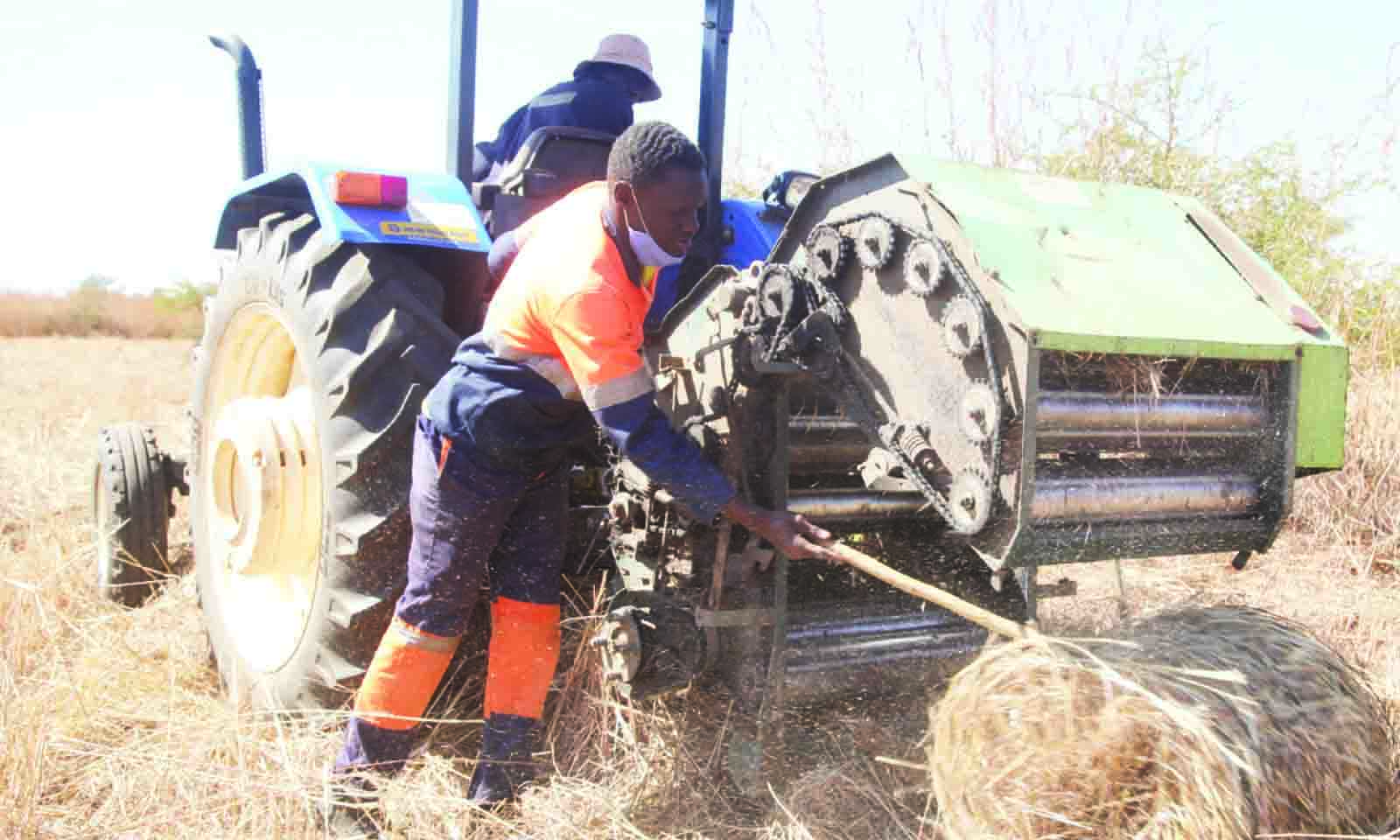
Precious Manomano
Herald Reporter
As the dry season advances, the livestock sector is facing significant challenges that threaten the survival of animals and the livelihoods of farmers across the country.
According to recent reports from the Agricultural Rural Development Advisory Services (ARDAS), while the current condition of livestock is classified as fair to good, emerging issues such as declining nutritional value of natural grazing and depleted water sources are raising alarms.
In many regions, farmers are now facing the crucial task of adapting to these changing conditions.
With average walking distances to drinking water sources extending to approximately three kilometres, the urgency for sustainable solutions has never been greater.
To combat these challenges, experts are urging farmers to take proactive measures, including the preparation of homemade feed formulations, which are vital during periods of pasture scarcity.
Lands, Agriculture, Fisheries, and Rural Development, permanent secretary Professor Obert Jiri emphasised the importance of supplementary feeding to save livestock.
“It is critical for farmers to make supplementary feeding,” he noted, adding that extension workers are available to assist them in crafting effective feed formulations. He highlighted the advantages of hay baling, which serves as a cost-effective solution for livestock farmers.
“Hay baling helps to supply livestock farmers with affordable feed for their animals, as commercial feed remains beyond the reach of the majority of farmers,” he said.
Under the Hay Baling Programme, cumulative figures reveal that the Government and private players have produced a total of 4 811 669 hay bales, with a target of reaching seven million for the season.
This initiative is not just a response to immediate needs; it aligns with the Second Republic’s vision of restoring the country’s beef processing hub, ensuring that farmers have access to highly nutritious stock feed at affordable costs.
In light of rising commercial feed prices, farmers are encouraged to embrace sustainable, intensive forage production.
This proactive approach is essential not only for maintaining livestock health, but also for minimising dependence on costly commercial feeds.
The Government is actively promoting the use of climate-smart feed options, including lab lab, velvet beans, lucerne, katambora, teff grass, silver lift, and star grass. Such initiatives enhance overall agricultural sustainability while improving livestock nutrition.
To further bolster these efforts, irrigation holders are being urged to allocate a portion of their land specifically for fodder production. This dual strategy of utilising both natural and cultivated feed sources is vital for ensuring that livestock remain healthy throughout the dry season.
“The integration of natural grazing and cultivated fodder is crucial for maintaining a steady food supply for livestock,” Prof Jiri said.
In addition to nutritional strategies, animal health remains a top priority. Farmers are advised to vaccinate their livestock against diseases such as black leg and anthrax, and regular dipping is recommended, especially in areas where January disease poses significant challenges.
Extension workers are on hand to assist in creating effective feed formulations, ensuring that farmers have the necessary support.
Temperature management practices for livestock are also critical. Young animals and smaller stock should be kept warm, especially during the night, to prevent hypothermia and potential pneumonia.
Where feasible, heating solutions such as brooders and calf houses should be implemented. As the cold season transitions to warmer months, establishing cooling infrastructure, such as shade, is essential to protect animals from extreme heat and prevent heat stress, particularly in dairy cattle.
The situation regarding drinking water remains critical, as siltation is reducing the water-holding capacity of most sources. To address this pressing issue, ongoing initiatives include borehole drilling, rehabilitation, and the construction of water troughs.
Provinces are urged to track and report on the progress of these projects to ensure reliable water access for farmers.
Statistics from the Ministry of Lands, Agriculture, Fisheries, Water and Rural Development highlight regional hay production efforts, showcasing the commitment being made across the country to bolster livestock feed supplies.
Regions such as Manicaland have produced 156 726 hay bales, while Mashonaland East has contributed 735 872 bales, and Midlands leads with an impressive 1 443 878 bales.
The combined efforts of government initiatives and farmers’ adaptive strategies are vital for sustaining livestock health and ensuring the future of agricultural productivity in the country. As challenges mount, it is imperative for farmers to embrace innovative solutions and remain vigilant in their practices, ensuring that both their livestock and livelihoods thrive through the dry season and beyond.