Online Reporter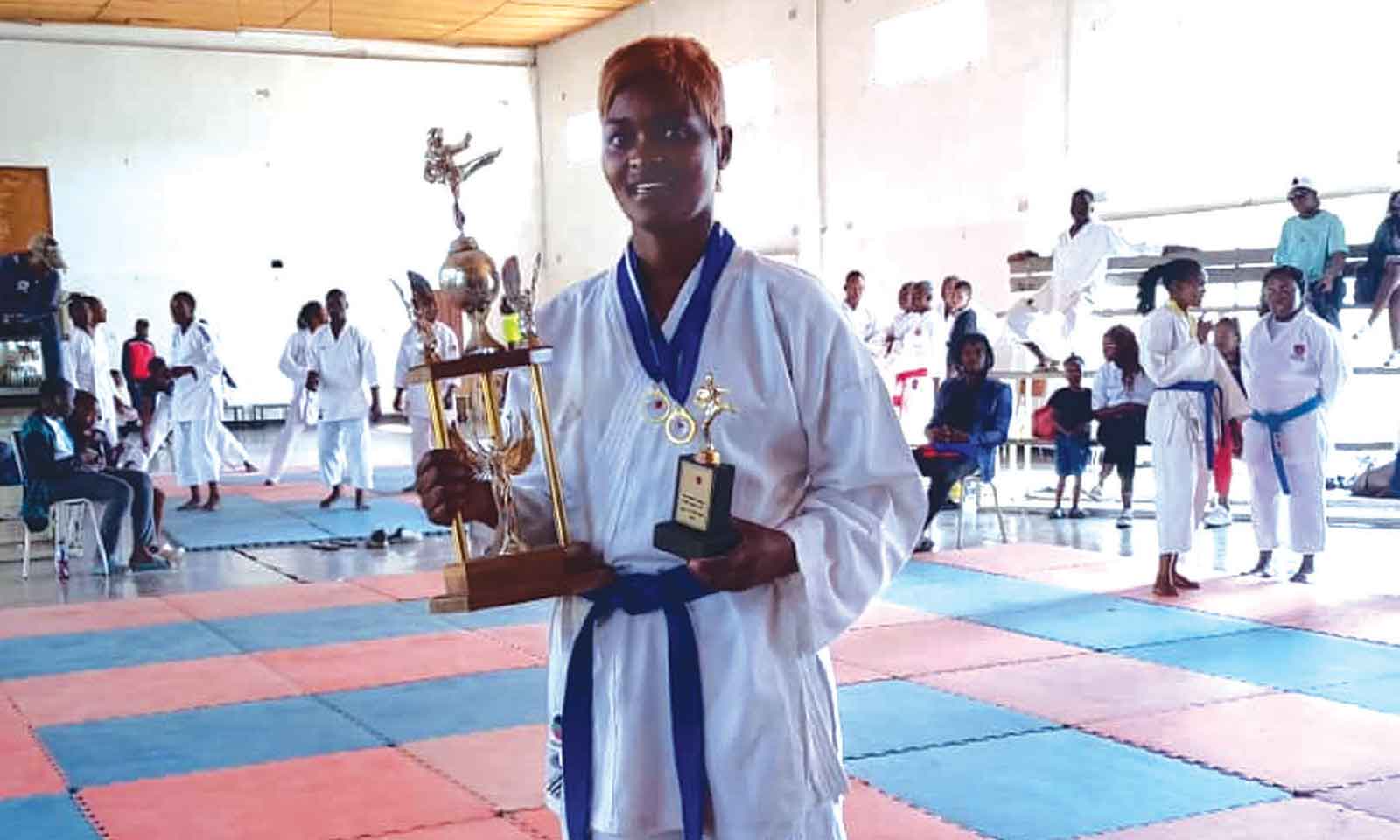
Takudzwa Chitsiga
Zimpapers Sports Hub
HAZEL Anna Chirima grew up believing karate was meant for her.
The certainty came before her training, her black belt, even before she ever set foot on a competition mat.
That childhood conviction carried her from Gweru into the national team, where she rose to third Dan Shotokan black belt and captained Zimbabwe with a quiet strength that has defined her journey.
Her road has been more than two decades long. It has carried her from schoolyards in Gweru to national arenas and into a career that blends discipline with human service.
She earned an Honours degree in Psychology from the Midlands State University (MSU) and now works as a training officer with the Zimbabwe Red Cross Society, a role that sits easily beside her life in martial arts.
“I grew up in a family of boys and girls and that encouraged me to take up karate after I completed my primary and secondary education in Gweru,” she said.
“My passion for physical exercise and karate itself inspired me. I could always imagine myself performing those flying kicks and that excitement drew me into the sport.”
That early spark grew into a mindset shaped by determination and the pressure of stepping into a space where women are still too few.
“As a female in sport that is male dominated, it means I was so determined and worked harder than men are expected to do,” she said. The sense of identity she found in that challenge has stayed with her. “My whole life, I have identified as a female karateka and it is something that has made me so proud and comfortable in my own skin,” she said.
What kept her going was not only ambition, but community.
She speaks about the training partners who have shaped her path and the mentor who guided her style and spirit.
“Karate has given me training partners like Trinity, Tawanda and Tapiwa Kotsi as well as the best coach, sensei Victor Bunu and some of the best life lessons so I couldn’t even imagine not being a female karateka. Even though it’s not everything, it helped me figure out the other things that I am psychologically,” said Chirima.
The growth did not come without its weight. Chirima has stepped through years where support for women in karate was thin and expectations were shaped by a sport long defined by men.
“Historically, there have been fewer female role models in karate, making it harder to envision myself succeeding in the sport,” she said. “Balancing training with family responsibilities, work and other commitments creates stress and limit time for practice and competition. Facing discrimination from coaches, peers and opponents, including harassment or lack of support from male counterparts has been some of the challenges I faced.”
Even with that history, she sees the landscape shifting in ways that once felt impossible.
“I see women transcending more boundaries than ever before. I see stronger, faster, more determined, more headstrong women who aren’t afraid of what others think of them, playing the sports to the best of their abilities and breaking the gender norms,” she said.
Her own routine mirrors that belief in steady, disciplined growth. She works on recovery, rest and training that fits around her professional and personal life.
“As karateka, our routine can be repetitive, but discipline is key. I aim for eight hours of sleep to recover and train at peak level. I train twice a day per week, with Sunday as my rest day,” she said.
Chirima’s story has the stillness of quiet resilience. It is the story of a woman who carved space where few existed and found power in a sport that asked a lot of her and gave her just as much back.
She has moved through its demands with the composure of someone who knows exactly where her strength comes from.