

 admin
admin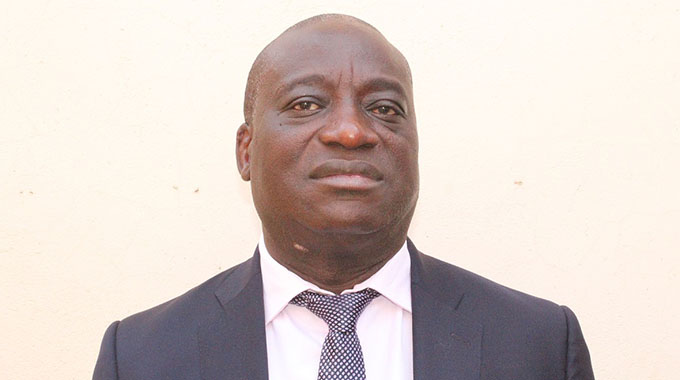
Mukudzei Chingwere Herald Reporter
The health transformational trajectory adopted by Government, which is commensurate with the dictates of an upper middle income, has placed Zimbabwe on a path to world class health service provision.
This was said by Deputy Minister of Health and Child Care Dr John Mangwiro after his latest peep into some of the world’s best health systems at the recently held Global Mental Health Summit (GMHS) in Italy’s capital Rome.
Zimbabwe is on a drive to improve its services sector and social safety nets in line with President Mnangagwa’s Vision 2030 and the health services has been identified as one of the sectors in need of a reboot.
During the GMHS, Dr Mangwiro and his delegation got a dashboard view of global best practices from participating member states.
He said the path taken by Zimbabwe is in line with what other health systems have done, particularly its quest for universal health coverage anchored on leaving no one and no place behind in the access of healthcare, was very commendable.
“Rome was not built in one day. The way others developed their own countries is the way we our developing ours as well,” said Dr Mangwiro.
“Our health system is not yet at the same level as countries like Italy, but what is important is that what we are doing is in line with the recommendations of attaining best international practices.
“I am happy that what we are doing is in line with what other countries with the best health systems are doing. So we have to continue doing what we are doing. Also we have gotten new ideas for what we were doing,” he said
Zimbabwe won the bid to host the next edition of the 22nd International Conference on AIDS and STIs in Africa in 2023 (ICASA 2023) to be held in Victoria Falls next year.
“Winning the ICASA bid will be quite helpful. It is again another opportunity for global health leaders to converge in Zimbabwe to share notes.”
Dr Mangwiro said the impact of illegal sanctions imposed on the country by some western countries is, however, slowing the transformational processes.
He said despite the presence of sanctions they will not stop but insisted that if they were operating in an environment without these embargoes they would have been far.
The impact of sanctions was corroborated by Trauma Centre Borrowdale, Executive Director, Dr Vivek Solanki, who runs arguably the best private hospital in the country.
“I run a private hospital, I need to buy medical equipment. I cannot buy western medical equipment because of sanctions.
“I would have to buy it through a third party, through South Africa, through China, through India, but I cannot buy it directly.
“So we have those challenges,” said Dr Solanki in an earlier interview with South African media.
Harare based medical practitioner Dr Josphat Chiripanyanga also commended the health system upgrade in the country but decried the impact of sanctions imposed on Zimbabwe.
“Zimbabwe’s health system is being upgraded. We are not yet there but we are on the right track, especially when you look at the drive of taking specialist services to different parts of the country, as well as improving health infrastructure and conditions of service.
“All these actions are increasing access to care closer to where the services are needed, and this is very commendable indeed, we need to complement what the government is doing,” said Dr Chiripanyanga.
“Sanctions have been a big impediment in this regard as it compromises especially on the purchase of medical equipment and consumables.
“You cannot buy equipment directly from countries who have imposed sanctions on Zimbabwe. So we go through third parties and it becomes very expensive.
“So medical practitioners will then pass this burden to patients to recoup the huge amounts that would have paid.
“This makes especially private medical care in Zimbabwe very expensive, and we request that these sanctions be removed.
“But I am happy the country is working on import substitutes through the capacitation of local companies to boost their production.”



 Online Reporter