Business Reporter
BUSINESSMAN and former Zimbabwe National Chamber of Commerce (ZNCC) Matabeleland region vice-president Louis Herbst has welcomed the ZiG614 million allocated to the Ministry of Industry and Commerce in the 2027 National Budget, saying the funding could support industrial growth if directed towards productive sectors.
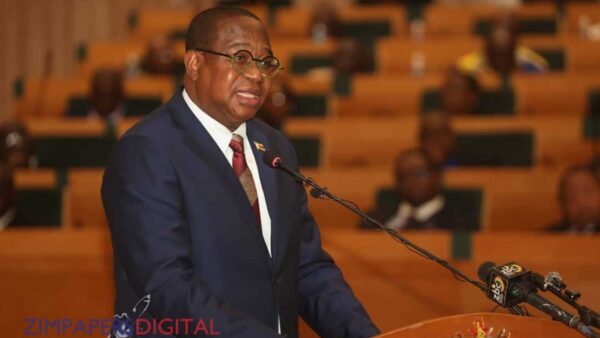
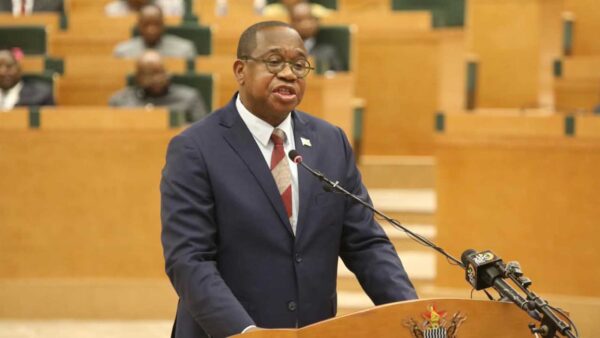
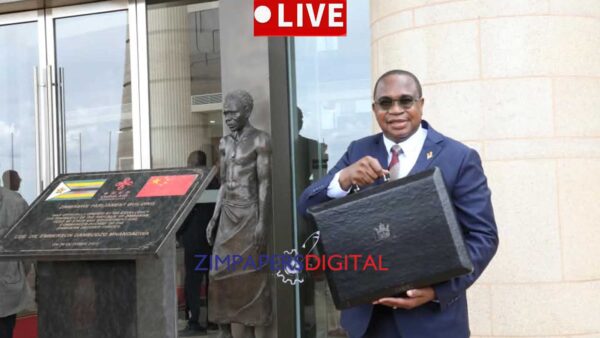
Finance Minister Professor Mthuli Ncube presented the 2027 National Budget in Parliament today, with industrialisation among the areas earmarked for Government support.
Mr Herbst said the allocation was a positive commitment towards industrial development, but stressed that its effectiveness would depend on how much reached manufacturers and businesses requiring capital to expand operations, retool and increase production.
He said the focus should be on ensuring that the funding translated into tangible industrial investment rather than being absorbed by administrative costs, existing obligations and financial instruments that did not necessarily result in increased production.
“The critical question is how much of the ZiG614 million will actually reach productive industry, manufacturing, retooling and expansion — and how much is absorbed by administration, existing obligations or financial instruments that don’t translate into new production?” he said.
Mr Herbst said Zimbabwe’s industrialisation challenges were not rooted in a lack of ambition, but in structural constraints affecting the ability of businesses to produce competitively.
These include limited access to affordable capital, unreliable infrastructure, outdated machinery, expensive financing and inconsistent policy implementation.
He said addressing these challenges was essential if the country was to translate its industrialisation ambitions into increased manufacturing output, employment creation and export growth.
Mr Herbst said the success of the allocation should therefore be measured by its impact on businesses and the wider economy rather than the size of the budgetary commitment.
“Industrialisation must mean factories producing more, businesses employing more people, imports being replaced competitively, and exports increasing,” he said.
He added that the Government needed to ensure that funding reached businesses capable of expanding production and strengthening domestic value chains.
“Our measure of success must not be the amount allocated — it must be the factories retooled, production increased, jobs created, exports generated and local businesses funded,” Mr Herbst said.
He said Zimbabwe needed to bridge the gap between announcing industrialisation programmes and providing manufacturers with the financing required to implement them.
For manufacturers, access to affordable long-term financing remains critical for acquiring modern equipment, improving efficiency, expanding production and competing with imported products.
Effective disbursement and implementation of the allocation will therefore be important in translating the Government’s industrialisation ambitions into increased productive capacity, job creation and export growth.