Online Reporter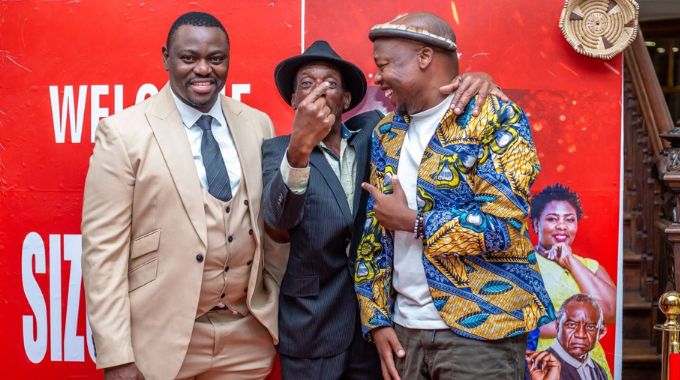
Mbulelo Mpofu [email protected]
THE country’s creative sector has long been recognised for its ability to entertain, but increasingly, it is also proving to be a powerful platform for confronting difficult conversations that formal dialogue alone often struggles to navigate.
Artistes have historically played a significant role in shaping national consciousness. Through music, theatre, literature and film, they have documented history and encouraged dialogue. In a country as culturally diverse as Zimbabwe, entertainment possesses a unique advantage of bringing together audiences from different backgrounds in a shared emotional experience, often making difficult subjects easier to confront.
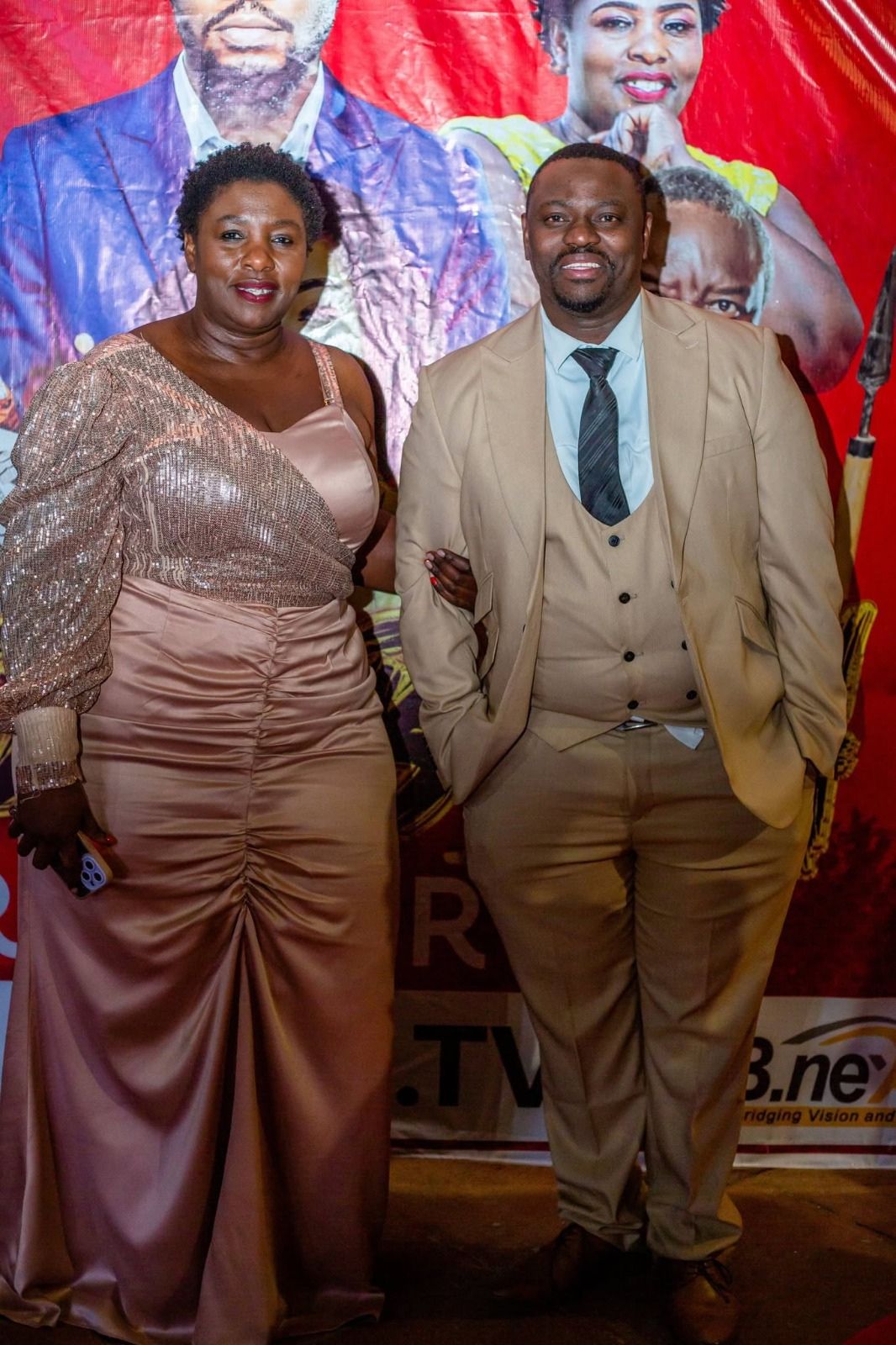
Zimbabwe will mark Heroes Day on August 10 under the theme, “Lest We Forget” and Zimbabwe Defence Forces Day on August 11 under the theme, “ZDF: Guaranteeing Peace and Stability for the
Attainment of Vision 2030”. As the country prepares to commemorate the two important days, there is a local film production demonstrating how storytelling can become a vehicle for healing, tolerance and nation-building.
Sizolobola, a concept by popular entertainer Madlela Skhobokhobo, born Mothusi Bashimane Ndlovu, exemplifies this approach. Written by Emmanuel Matsinye and produced by Africin, the feature film tells a story where romance is tested by historical divisions between two of Zimbabwe’s largest ethnic communities, the Ndebele and the Shona.
Rather than dwelling on conflict, the film, which premiered in Bulawayo on Saturday following a Harare premiere, ultimately champions co-existence, demonstrating that understanding and compassion can triumph over inherited prejudice.
Madlela has previously explained that reconciliation formed the foundation of the project from its inception.
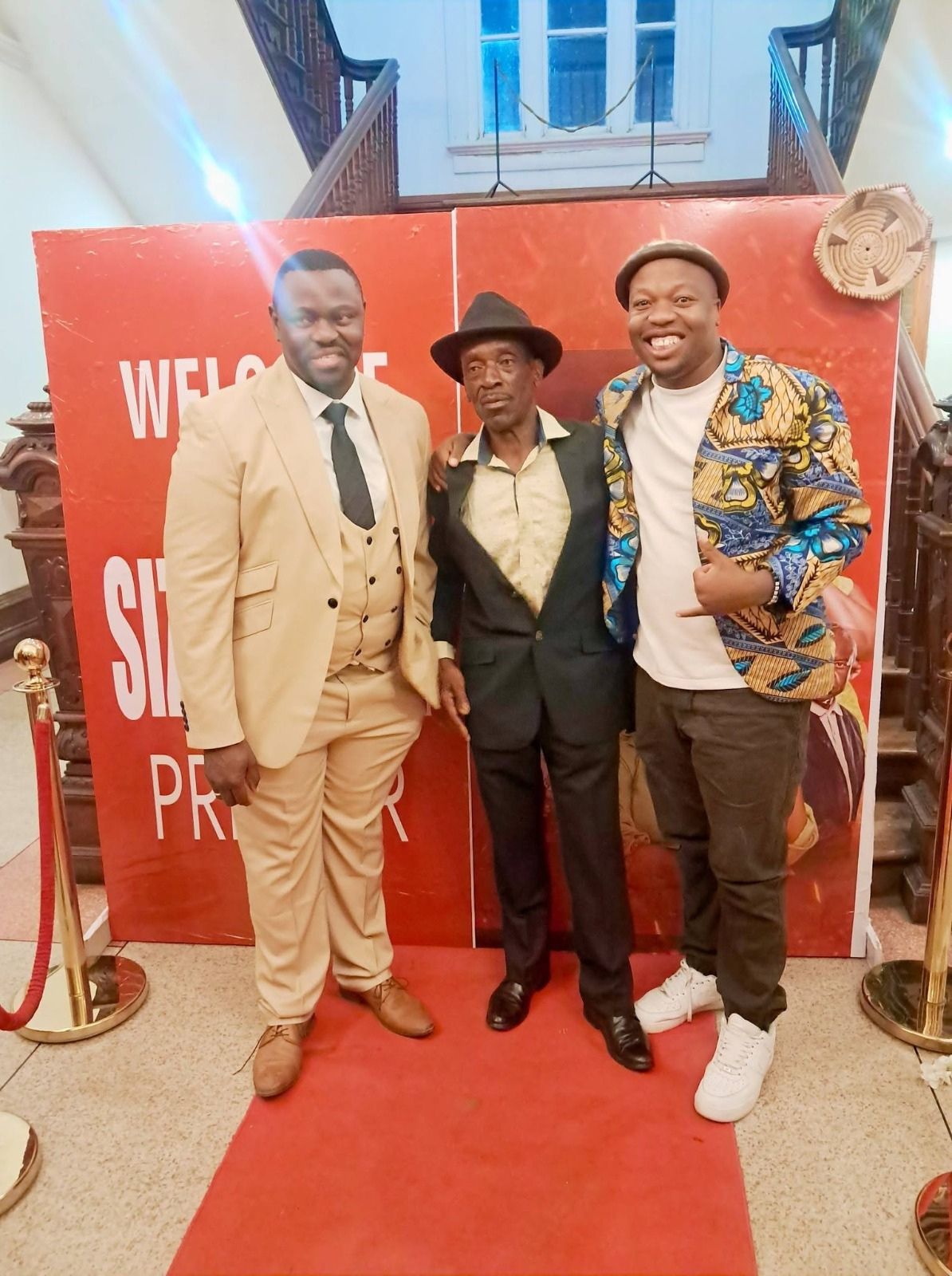
“Sizolobola is a love story that brings a lot of past events from the two ethnic groups, Ndebele and Shona. We have these two young people who are madly in love and want to marry, but history seems to keep them apart. But at the end, love prevails. It’s a story that calls upon unity to prevail,” he said.
The message extends beyond the script itself. The production embodies the very ideals it advocates through a diverse cast and crew drawn from different cultural backgrounds, united by a common artistic vision. Legendary actress Jesesi Mungoshi, remembered by generations for her iconic role in Neria, joins forces with comedian and social media personality Madam Boss (Tyra Chikocho),
Exult Ncube, Charles Muzembi, Sipho Mercent Nyathi, award-winning poet and actress Sithandazile Dube and Madlela himself. The collaboration itself becomes symbolic, demonstrating that Zimbabwe’s creative industry thrives when talent transcends ethnic, linguistic and regional identities.
Such collaborations deserve recognition not merely as artistic achievements but as contributions to national development. They reinforce the idea that nation-building is not solely the responsibility of politicians, traditional leaders or policymakers. Artists, writers, filmmakers and performers also occupy an important space in nurturing social cohesion.
Madlela’s body of work has consistently reflected this philosophy. Through his comedy skits, particularly his collaborations with Madam Boss, and through his music, he has frequently used humour and popular culture to bridge cultural divides, creating content that appeals to audiences across Zimbabwe’s ethnic spectrum.
This makes Sizolobola a natural progression of a career increasingly associated with promoting unity rather than division.
The timing of the film’s release is equally significant. The Gukurahundi Outreach Programme continues and Zimbabwe finds itself engaged in conversations that require empathy, patience and mutual respect. While the outreach process provides a formal avenue for engagement, creative works such as Sizolobola complement these efforts by humanising historical experiences through relatable characters and emotionally resonant storytelling.
Entertainment has the capacity to reach audiences who may never attend public consultations or policy discussions. A film can enter homes, schools and communities, sparking conversations across generations. It encourages viewers to examine inherited perceptions, question stereotypes and appreciate shared humanity.
This is precisely why cultural productions should increasingly be viewed as strategic partners in national development. Vision 2030 is not only about infrastructure, industrialisation and economic growth. Sustainable development also depends on peaceful coexistence, mutual trust and social stability, values that are reinforced when citizens see themselves reflected positively alongside one another on screen.
Zimbabwe’s liberation struggle itself was founded on the ideal of a united people pursuing a common future despite differences. The sacrifices commemorated during Heroes Day and Zimbabwe Defence Forces Day were intended to secure a nation where every Zimbabwean could contribute equally to its development.
Preserving that independence therefore requires more than defending territorial borders. It also requires safeguarding national unity by rejecting tribalism, intolerance and division.
In this regard, the heroes and heroines of modern Zimbabwe are not only those whose names are etched in monuments, but also those who quietly build bridges through their professions.
Filmmakers, actors, musicians and other creatives who use their platforms responsibly deserve recognition for strengthening the social fabric upon which national development depends.
Sizolobola is set to reach wider audiences through Africin’s streaming platform in the coming weeks and its greatest achievement may ultimately lie beyond entertainment. It offers a timely reminder that while history cannot be rewritten, the future can still be shaped by understanding, dialogue and unity — values that remain indispensable if Zimbabwe is to preserve the independence won through sacrifice and realise its aspirations as one nation.
—@MbuleloMpofu