Online Reporter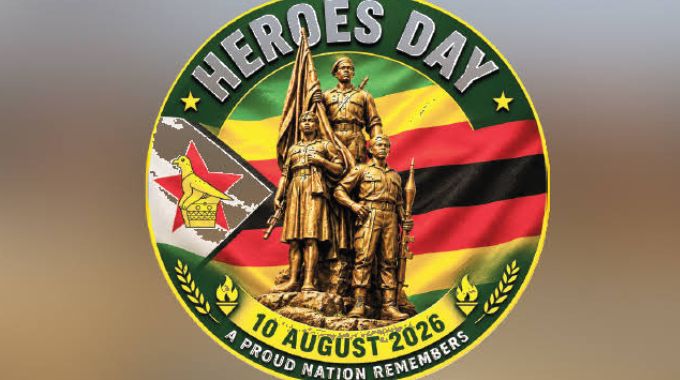
Sam Matema, Correspondent
As Zimbabwe marks Heroes Day next month, the occasion calls for more than wreath-laying ceremonies and speeches.
It is a time to reflect on the immeasurable sacrifice made by the men and women who surrendered their youth, comfort and, for many, their very lives so that Zimbabweans could determine their own destiny.
If gallant sons like Father Zimbabwe, Cde Joshua Mqabuko Nkomo, a man whose vision and sacrifice laid the foundation of this nation, George Silundika, Welshman Mabhena, Enos Nkala, Jason Ziyapapa Moyo, Calistaus Dingiswayo Ndlovu, Gen Lookout Masuku, Naison Khutswekhaya Ndlovu, Maj Gen Solomon Siziba, Col (Rtd) Tshinga Dube and Brigadier Samuel Mpangana and the many heroes and heroines who paid the ultimate price were to walk among us today, one imagines they would judge us not by our words, but by what we have done with the freedom they secured.
Freedom was never meant to be an end in itself. It was intended to become the foundation upon which successive generations would build a prosperous, stable and sovereign nation.
Wherever our departed heroes now rest, they would surely find satisfaction in seeing the continued pursuit of national transformation under the Second Republic led by
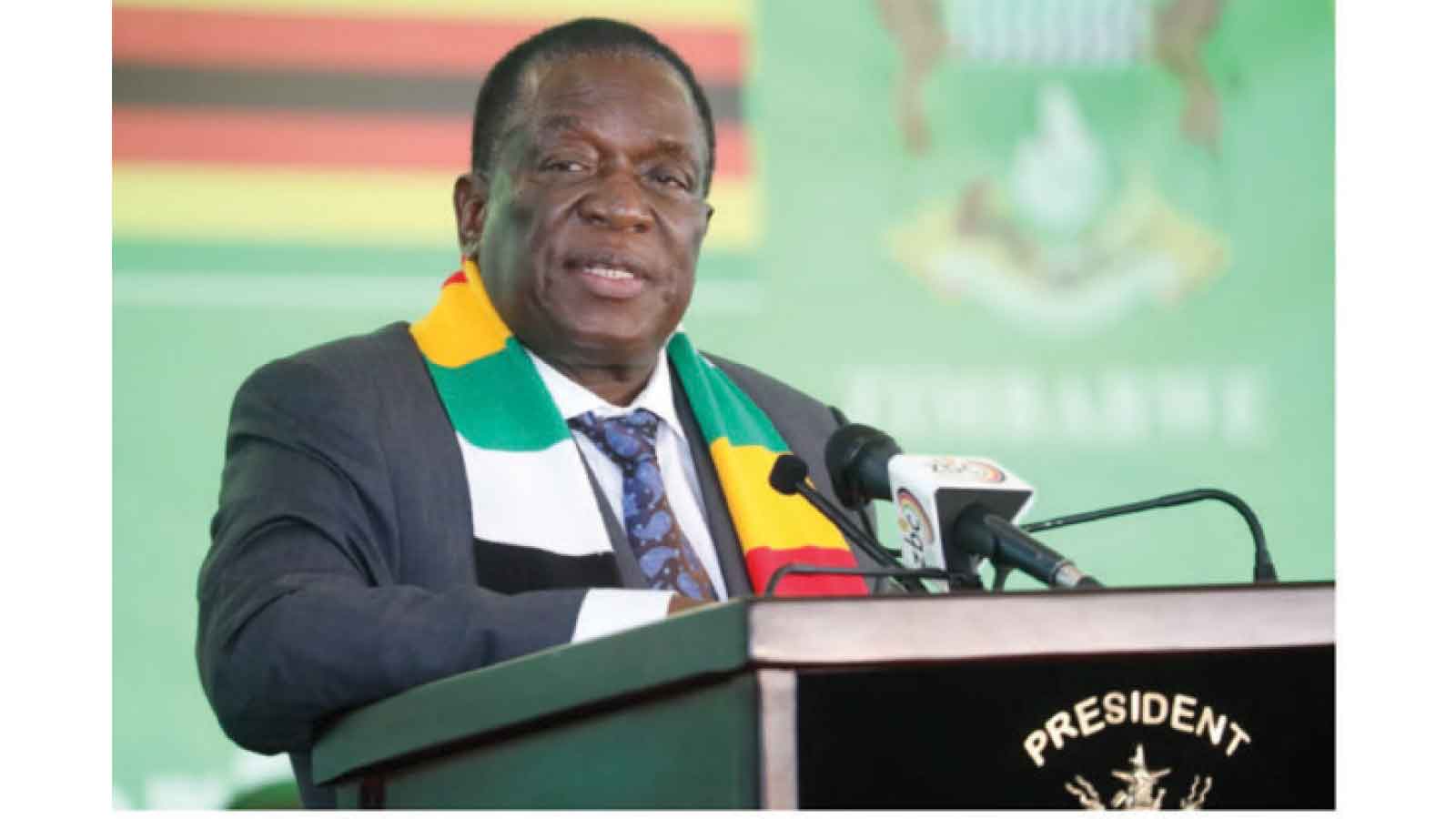
, whose development agenda seeks to translate political independence into tangible socio-economic progress.
Therefore, Heroes Day invites every Zimbabwean to pause and appreciate the hardships endured during the liberation struggle. It demands that we attempt, however imperfectly, to place ourselves in the shoes of those who sacrificed everything so that future generations could inherit a free nation.
Such reflection should naturally lead us to one conclusion: freedom carries responsibilities. It requires every generation to protect, preserve and strengthen what previous generations fought to establish.
Unfortunately, not everyone appreciates the priceless sacrifice of our forebears. Some choose short-term political expediency over national interest. Others readily amplify narratives that undermine the country’s sovereignty or seek to sow instability.
History teaches us that a nation which forgets its own story allows others to write it on its behalf. As the African proverb impresses on us, until the lion learns to write, every story glorifies the hunter.
Thus, Zimbabwe must continue telling its own story — honestly, proudly and from its own perspective. That story is not merely one of war; it is one of resilience, self-determination and the enduring quest to improve the lives of ordinary people.
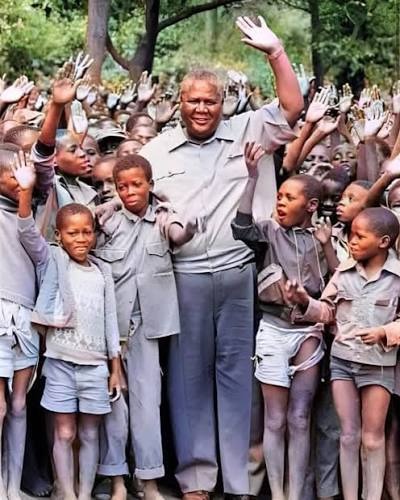
The generation that liberated this country deliberately embraced poverty, hardship and danger so that future generations could enjoy dignity and opportunity. Their sacrifice can never be repaid. At best, it can only be honoured through responsible stewardship of the nation they bequeathed to us.
One of the greatest responsibilities inherited from our heroes is safeguarding constitutional democracy and ensuring that national institutions remain capable of serving future generations.
This understanding informed the Constitutional Amendment Act No. 3 (CAA3).
Much misunderstanding surrounded the legislative process, with some choosing emotion over careful analysis. Political grandstanding often overshadowed reasoned debate, resulting in the false narrative that the constitutional amendments were designed to benefit an individual.
Nothing could be further from the truth.
Constitutions are living instruments. They evolve in response to changing political, economic, social, technological and environmental realities. Their purpose is not to remain frozen in time, but to respond to the practical needs of society while preserving constitutional order.
The legislative process surrounding CAA3 reflected that reality.
Zimbabwe’s experience over several decades demonstrated the need to address recurring electoral disputes that frequently generated uncertainty before, during and after elections. Stability is not merely a political aspiration. It is an essential condition for economic growth, infrastructure development, investment and national planning.
Recognising these lived realities, the Second Republic initiated constitutional reforms following resolutions adopted at the 2024 and 2025 Zanu-PF National Peoples conferences held in Bulawayo and Mutare, respectively.
The resulting constitutional amendments sought to strengthen institutional stability, remove ambiguities and provide greater predictability in governance.
Among other changes, responsibility for electing the President is vested in Parliament sitting as an electoral college, while Members of Parliament continue to be elected directly by the people.
The reforms also addressed institutional overlaps. Previously, the Zimbabwe Electoral Commission carried responsibility for voter registration. CAA3 reassigned that function to the Registrar General, thereby clarifying responsibilities and strengthening administrative legitimacy.
Equally significant was the extension of the electoral cycle from five to seven years, recognising that transformative infrastructure projects often require longer planning and implementation horizons than shorter electoral cycles readily permit.
Crucially, the constitutional amendment process also enhanced citizens’ understanding of constitutional governance itself. Many Zimbabweans now better appreciate when constitutional amendments require referendums, how Parliament exercises its legislative mandate and how constitutional provisions evolve within established legal frameworks.
In the end, constitutional development is about preparing the nation for generations yet unborn. Our heroes fought not just for today’s Zimbabweans, but for posterity.
Therefore, it becomes our responsibility to leave behind institutions capable of supporting peace, stability and development long after the present generation has departed.
This obligation extends beyond constitutional reform. As we honour our departed heroes next month and beyond, we must also remember those who remain with us.
Many veterans of the liberation struggle continue to carry the physical, emotional and economic burdens of the sacrifices they made decades ago. Many forfeited educational opportunities, careers and personal advancement while fighting for national liberation.
Hence, justice demands deliberate efforts to improve their welfare and that of their families.
The national commitment to leave no one and no place behind must naturally include those whose sacrifices made independence possible.
Correcting historical omissions and ensuring that liberation veterans enjoy dignity in their later years represents not charity, but national gratitude.
Cognisant of that, the Second Republic has demonstrated a determination to address historical shortcomings while balancing competing national priorities across numerous sectors.
As we reflect this Heroes Day, our responsibility is more than clear. We must defend the sovereignty that our heroes secured. We must preserve the constitutional order they made possible. We must strengthen institutions that guarantee peace and stability.
Above all, we must continue building a nation worthy of the blood, sweat and tears that purchased our freedom.Posterity will eventually judge whether we proved worthy custodians of that inheritance.
May history record that when our generation was entrusted with Zimbabwe, we protected it, strengthened it and passed it on stronger than we found it. That, perhaps, is the greatest tribute we can pay to our fallen heroes and heroines.
*Honourable Sam Matema is the National Assembly Member for Buhera Central constituency, Zanu-PF Manicaland Province Secretary for Administration, Climate Parliament Zimbabwe Chapter chairman and Chairperson of the Parliamentary Portfolio Committee on Environment, Climate and Wildlife. He writes in his personal capacity.