Online Reporter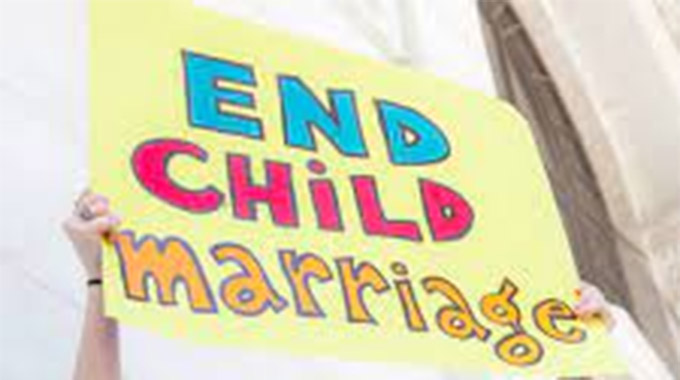
Londiwe Moyo
Despite Zimbabwe’s laws prohibiting child marriage, the practice continues to cast a dark shadow over many communities, with some families allegedly exploiting cultural traditions, religious beliefs and economic hardship to justify marrying off young girls.
While the Constitutional Court outlawed child marriages in 2016 and the Marriages Act sets 18 as the minimum legal age for marriage, activists say the practice has merely gone underground, making it more difficult to detect and combat.
Human rights organisations, child protection groups and community leaders warn that in some cases, child marriages are arranged in secrecy, facilitated by relatives, traditional leaders or religious sects that continue to place custom above the law.
For many girls, the consequences are devastating. Their education is abruptly terminated, their childhood ends prematurely and they are often exposed to gender-based violence, early pregnancies and lifelong economic dependence.
Tradition Used as a Shield
Investigations by child rights groups have uncovered cases where families allegedly invoke longstanding cultural practices to justify marrying off underage girls.
In Nkayi District, one family was reportedly found to have practised child marriages across several generations.
According to findings from an investigation cited by child protection advocates, family elders allegedly viewed the practice as part of their heritage.
The investigation reportedly found that a family patriarch, Peter Nyathi, had allegedly married a 14-year-old girl decades ago after paying her family 10 cattle. Community members interviewed during the investigation claimed the arrangement was celebrated as a symbol of wealth and social standing rather than questioned as an abuse of a child’s rights.
Although such practices may be defended as cultural traditions, legal experts argue that no custom can supersede the Constitution or child protection laws.
“Culture evolves and cannot be used to justify violations of children’s rights,” says one child rights advocate working in Matabeleland North. “The law is clear: a child is a child, regardless of tradition.”
The Role of Money and Social Pressure
Experts say financial incentives often play a significant role in sustaining child marriages.
In impoverished communities, families facing economic hardships may view daughters as a source of bride price income. The promise of cattle, cash or material goods can create powerful incentives to ignore legal restrictions.
Community activists recount numerous instances where wealthy men allegedly used their financial influence to secure marriages with underage girls, sometimes providing gifts, livestock, school fees for siblings or food assistance to struggling families.
In several reported cases, families allegedly justified such arrangements by arguing that the girls would enjoy a better standard of living than they could provide themselves.
Child welfare specialists, however, argue that such arrangements amount to exploitation.
“The issue is not whether the family receives cattle or money,” says a social worker who has handled child protection cases. “The issue is that a child is being denied the right to grow, learn and make decisions about her own future.”
A Mother’s Flight to Protect Her Daughter
In Bulawayo’s Pumula North suburb, one woman reportedly found herself isolated and under immense pressure after refusing to allow her daughter to be married off.
Celani Bhebhe allegedly went into hiding after facing pressure from members of her family and relatives linked to her former partner, Myethi Ncube.
According to accounts provided to child protection advocates, the dispute centred on efforts to force her 12-year-old daughter into marriage.
Sources familiar with the matter claim Bhebhe resisted the arrangement, arguing that her daughter belonged in school rather than in a marital home.
The reported pressure allegedly escalated to the point where she feared for her safety and that of her child.
Her case highlights a common challenge faced by parents who oppose child marriages. Activists say mothers are often outnumbered by extended family members who invoke tradition, religion or financial considerations to justify the arrangements.
Religion and Child Marriage
Religious leaders have also come under scrutiny over allegations that some sects continue to facilitate child marriages.
Women’s rights groups say certain apostolic and independent religious movements have been repeatedly linked to reports of underage girls being married to older men under the guise of spiritual instruction or divine revelation.
Although many churches publicly condemn child marriage, activists argue that isolated groups continue to operate outside legal frameworks.
Former members of some sects have described environments where questioning religious authority was discouraged, making it difficult for young girls or their parents to resist marriage arrangements.
Child protection organisations note that the practice often remains hidden because marriages are not formally registered, making enforcement difficult.
The Cost to Girls
The consequences of child marriage extend far beyond the wedding day.
Studies across Africa have shown that girls who marry early are more likely to leave school, experience domestic violence, suffer pregnancy-related complications and remain trapped in cycles of poverty.
Teachers in rural districts report that some girls disappear from classrooms without explanation, only for community members to later learn they have been married.
Others become mothers before reaching adulthood, effectively ending their educational and career prospects.
Health experts warn that early pregnancies increase the risk of maternal complications and infant mortality.
Fighting Back
Government agencies, civil society organisations and community leaders continue to intensify campaigns against child marriage.
Awareness programmes in schools and communities seek to educate parents about the legal consequences of marrying off children and the long-term harm inflicted on girls.
Some traditional leaders have also become vocal opponents of the practice, publicly declaring that culture should protect children rather than expose them to abuse.
However, activists say enforcement remains a challenge, particularly in remote communities where family networks, religious influence and economic pressures often outweigh legal deterrents.
A Battle Far From Over
A decade after Zimbabwe outlawed child marriage, campaigners say the country has made significant progress but much work remains.
In Plumtree, child rights activists recount the case of a 14-year-old girl who reportedly fled her home after relatives allegedly sought to marry her off to a 68-year-old village elder.
The teenager is said to have travelled to Bulawayo, where she survived on the streets for several weeks before being assisted by social welfare officials and a local child protection organisation.
The case highlights the desperation faced by some children who view running away as their only option when confronted with forced marriage.
Another concern has emerged in parts of Masvingo Province, where child protection advocates have raised alarm over reports of some apostolic sects allegedly arranging marriages involving underage girls within their congregations.
Activists say such practices are often justified through religious teachings and long-standing traditions, despite Zimbabwean laws prohibiting child marriage.
Community leaders and rights groups have called for increased engagement with religious institutions to ensure that cultural and religious beliefs do not override the rights and welfare of children.
These cases reflect a broader challenge confronting authorities and child rights organisations, who say forced child marriages continue to occur in some communities despite legislative reforms and awareness campaigns aimed at ending the practice.
According to activists, poverty, cultural expectations, religious beliefs and the prospect of financial gain for families remain among the key drivers behind the continued victimisation of young girls.