


 Online Reporter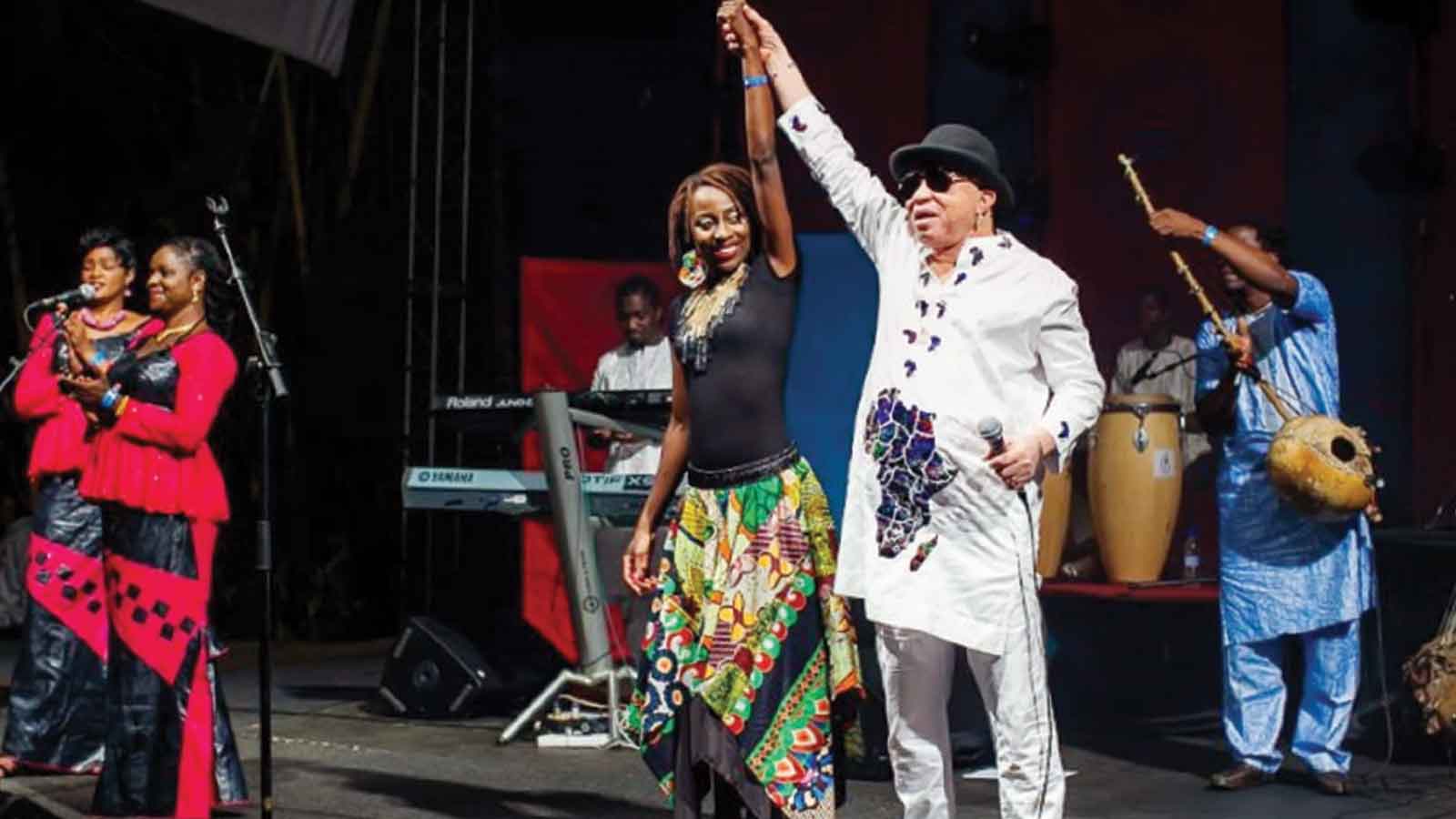
Tafadzwa Zimoyo
Zimpapers Entertainment Editor
THE return of the Harare International Festival of the Arts (HIFA) is being hailed in some circles as a cultural resurrection.
Yet beneath the excitement lies a crucial question: Is this truly a comeback story or merely a battle to reclaim relevance in a sector that has evolved without it?
Founded in 1999 by Manuel Bagorro, HIFA was more than just a festival — it became Zimbabwe’s cultural heartbeat.
For one week each year, Harare transformed into a global arts capital, hosting theatre, music, dance, fashion, the spoken word and visual arts under one umbrella.
At its peak, it ranked among Africa’s largest festivals, drawing artistes from over 30 countries and staging nearly 200 performances in a single edition.
More importantly, it created something rare: a unified arts ecosystem.
Its absence, particularly after cancellations in 2019, left a vacuum that reshaped Zimbabwe’s cultural landscape.
Now, its return raises critical questions.
A sector that moved on
When HIFA went quiet, the industry did not stop.
Instead, it fragmented and flourished in unexpected ways.
A new wave of niche festivals emerged, while smaller ones grew into major events, each targeting specific audiences.
Festivals such as Shoko (urban culture and the spoken word), Intwasa in Bulawayo, Carling Black Label DJ Clash, Jacaranda Music Festival and the Sanganai/Hlanganani Tourism Expo filled the gap.
Today, Zimbabwe hosts festivals almost every month.
This creates a fundamentally different environment for HIFA’s return — one defined by competition, audience fatigue and decentralisation.
Where HIFA once stood unchallenged, it now re-enters a crowded marketplace with divided audiences, dispersed sponsors and artistes who have alternative stages.
The monopoly has disappeared.
Can HIFA reclaim its glory?
Nostalgia alone will not suffice.
HIFA’s past success was built on scale, diversity and international appeal.
It hosted global stars such as Salif Keita and Bongo Maffin, while platforming regional acts who leveraged the exposure into continental success.
Locally, it gave visibility to artistes like Edith WeUtonga, the late Prince Kudakwashe Musarurwa and Hope Masike, who expanded their reach through the festival.
This dual role — global showcase and local incubator — defined HIFA’s golden era.
But the industry it returns to no longer waits for validation from one stage.
Artistes now build careers through digital platforms, independent festivals and international collaborations.
This raises a critical question: Does HIFA still have something unique to offer?
Perhaps its greatest legacy was unity.
At a time of political and social division, HIFA created a rare cultural moment where Zimbabweans converged, described as a space where people became “colour blind and tribal blind”, united by art.
In today’s fragmented sector, this is needed more than ever.
Yet after years of decentralisation, some creatives may view HIFA less as a unifier and more as a dominant structure attempting to reclaim control.
Talent development
One area where HIFA’s impact is undisputed is talent development.
It was not just a stage — it was a launchpad.
Many artistes gained their first major exposure through HIFA, using it as a springboard to regional and international careers.
Beyond performance, it fostered networking, collaborations and access to international curators and promoters.
In this sense, HIFA functioned as both marketplace and mentorship ecosystem.
But in the digital era, where artistes self-market globally, does this role still hold?
HIFA’s return is not only cultural but also economic.
At its peak, it created employment, boosted tourism and marketed Zimbabwe internationally.
It projected what one observer called “a Zimbabwe that works” — a powerful counter-narrative to economic and political challenges.
Yet financial sustainability remains a challenge.
Sponsorships, donor funding and ticket sales — once HIFA’s lifeblood — are now contested in a crowded festival economy.
The return of HIFA is significant, but not automatically transformative.
It signals hope, nostalgia and the possibility of cultural re-centralisation.
Yet it also exposes tensions within a sector that has diversified and, in many ways, outgrown the need for a single dominant platform.
For HIFA to succeed, it cannot simply return as it was.
It must redefine its role in a decentralised ecosystem, offer distinct value beyond nostalgia, balance global appeal with local relevance and rebuild trust with a new generation of artistes.
Only then could it once again become Zimbabwe’s cultural flagship.



