admin
admin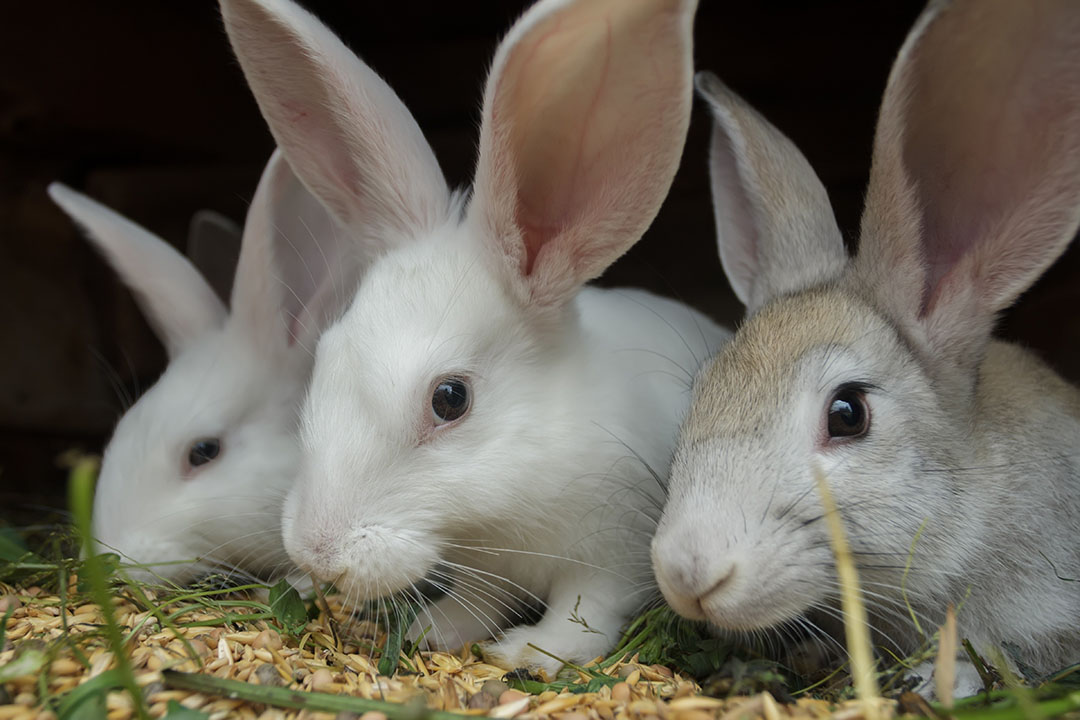
Ashton Mutyavaviri
DESPITE the Government’s efforts to grow the rabbit industry, deterrent feed prices threaten ruin the progress made so far amid fears some producers may be hounded out of business if the situation is not addressed.
Zimbabwe Commercial Rabbit Breeders Association (ZICORBA) president Mr Regis Nyamakanga yesterday said a 50-kilogramme pack of rabbit pellets costs between US$25 and US$33 locally compared to South Africa, Kenya, Botswana and Zambia where the same product retails between US$15 and US$17.
He made the remarks on the sidelines of a ZICORBA Feed Formulation workshop held in Harare on Friday.
Mr Nyamakanga attributed the price disparity to monopolies controlling the stock feed market in Zimbabwe, leading to unjustified price hikes that undermine the viability of farming.
He stressed that there was urgent need to open the agricultural input sector to more players to ensure fair pricing and sustainability in the farming industry.
Rabbit farming has emerged as a vital sector for creating employment, particularly in peri-urban and rural areas, but the escalating costs of inputs, especially stock feed, threaten to stifle its growth and economic contributions.
“Escalating prices of inputs, such as stock feed are choking the country’s agriculture sector, which is the backbone of the economy. Unless something is done to address the situation, the revival of this vital sector will remain a pipedream and many farmers will be forced out of business,” said Mr Nyamakanga.
To mitigate these challenges, ZICORBA is exploring solutions such as on-farm feed mixing to reduce input costs and has since sought expert assistance in this regard, he observed.
However, Mr Nyamakanga said the long-term solution lay in fostering competition and diversity in the agricultural inputs industry to safeguard the interests of farmers and sustain the growth of the sector.
Rabbit pellets, a vital component of rabbit diet can be formulated to provide the necessary nutrients for growth and overall health. They typically consist of a balanced mixture of grains, proteins, vitamins and minerals.
The association secured investment for the establishment of the country’s first rabbit abattoir in May 2021, which has since become one of the largest on the African continent.
The Ministry of Lands, Agriculture, Fisheries, Water and Rural Development has since recognised the potential of rabbit farming and included it in the strategy for boosting production of small ruminants, as outlined in the five-year livestock development plan.
The Government approved the Livestock Recovery and Growth Plan (2021-2026) in 2020, whose main thrust is to put in place solid interventions to address livestock production and productivity issues.
Meanwhile, Livestock Production Department (LPD) director Dr Sitokozile Sibanda said as part of the Agricultural and Rural Development Advisory Services (ARDAS), the department could offer trainings to rabbit producers or potential rabbit producers with backstopping from district, provincial and Head Office livestock specialists.
She further stressed that rabbit production in Zimbabwe was mostly done at a small scale or backyard level despite its comparative advantage in terms of ease of establishment, low cost of production, low land requirements and high annual production.



 Online Reporter