


 Online Reporter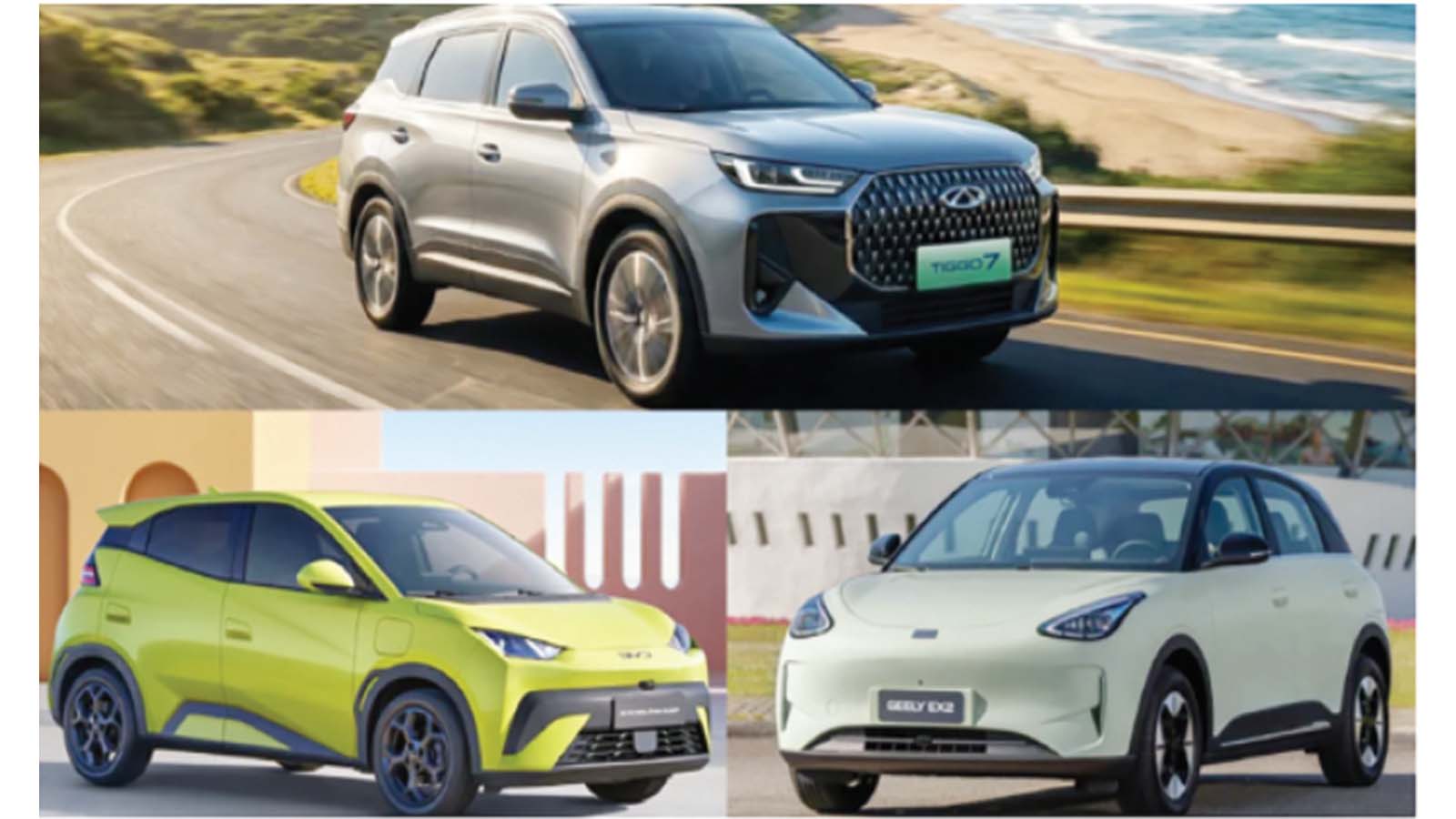
CHINA’S exports of electric vehicles (EVs) and hybrids more than doubled in March to a record, as the global energy shock stemming from the Iran war renewed interest in EVs.
Overseas shipments jumped 140 percent from a year earlier to 349 000 units, according to data from the China Passenger Car Association (CPCA) released on Thursday.
BYD, the world’s largest EV maker, accounted for about a third of the total, with Geely and Chery rounding out the top three exporters for the month, it said.
BYD’s Hong Kong-listed shares gained as much as 3,1 percent on Friday, while Geely and Chery’s also rose, with uncertainty about a ceasefire continuing to cause energy market turmoil.
Rising fuel prices due to the Iran war are enticing buyers back to EVs and hybrids, with showrooms across Asia bustling in the past month as consumers look to shield themselves from volatile pricing at the pump. While it is unclear how much of a lift the sector will get from the energy shock, data from the United Kingdom released earlier this month showed electric car sales climbed to a record in March.
“Chinese carmakers can quickly increase their global reach during the Strait of Hormuz crisis,” CPCA secretary-general Cui Dongshu said at a briefing.
There was a similar shift towards fuel-efficient vehicles made by Japanese carmakers during the oil crisis of the 1970s, he said.
While exports are booming, China’s auto industry continues to struggle with a downturn at home.
Shipments from Tesla’s Shanghai factory rose by about 9 percent from a year earlier, though sales in China dropped by 24 percent. BYD’s domestic sales fell by more than 40 percent.
China’s total sales of EVs and hybrids fell by 14 percent to 848 000 units last month, a third consecutive decline.
The first-quarter drop was the first for the period since 2020.
The March data is the first snapshot of Chinese demand without the distortion of the Lunar New Year holiday, with the extended decline indicating the lingering impact of limits on trade-in subsidies.
That policy change has hit sales of cheaper compact sedans and hatchbacks particularly hard, with deliveries in the category falling by 25 percent, according to Cui.
“Demand has been affected by a higher cost and reduced spending power of consumers, leading to an overall slump,” he said.
“However, new energy vehicles are still performing better domestically than internal combustion engine cars.” — Bloomberg



 Bongani Ndlovu