Chronicle Editor
TRADITIONAL big sponsorship spenders continue to feel the economic punch of the Covid-19 pandemic and most have sought relief while others have simply opted out of deals.
It’s amazing that at such a time when most corporates are opting out, Sakunda Holdings decided to unveil the biggest sponsorship in the history of Zimbabwean sport for the country’s two traditional football giants Highlanders and Dynamos in September.
The three-year deal will deflect player unrest at the two clubs at least for its duration, as they will be paid by the energy giant.
But Sakunda is looking beyond the three years and helping the two clubs to live in a sustainable manner and to harness their popularity to stand alone even without a sponsor.
It was amazing on its own that Sakunda chose the time of the Covid-19 pandemic to unveil such a lucrative package for the fading football powerhouses, which had been relegated to bridesmen of Zvishavane- based FC Platinum, the current dominant force in local football.
Never before in the history of sport sponsorship in Zimbabwe has the principal sponsor had a huge interest in the club or entity it would have partnered with in a manner that energy giants Sakunda Holdings has done.
FC Platinum are sponsored by platinum mining house Mimosa, which pumped in lots of resources to shift the balance of the local game from the capital, Harare, and Bulawayo to the small mining town of Zvishavane.
Whereas company-owned clubs were having less sleepless nights, Highlanders and Dynamos were in the deepest depths of desperation following the outbreak of the Covid-19 pandemic which triggered lockdowns that forbade sports and large gatherings.
Highlanders in particular were the hardest hit with sponsorship and partnerships hard to come by since most businesses had scaled down operations to protect their workforce.
Bosso had been left financially orphaned after mobile network operator NetOne abruptly ended its sponsorship of the club, saying it wanted to redirect its resources towards helping fight the Covid-19 pandemic.
So the Sakunda sponsorship package came at the most opportune time, and unlike previous sponsors, the energy company did not just end by providing financial assistance to the two clubs, but it has gone the extra mile to help them become solid business entities that corporates want to be associated with.
Sakunda wants the two clubs to generate their own revenue and become self-sustainable so that they can stand on their own.
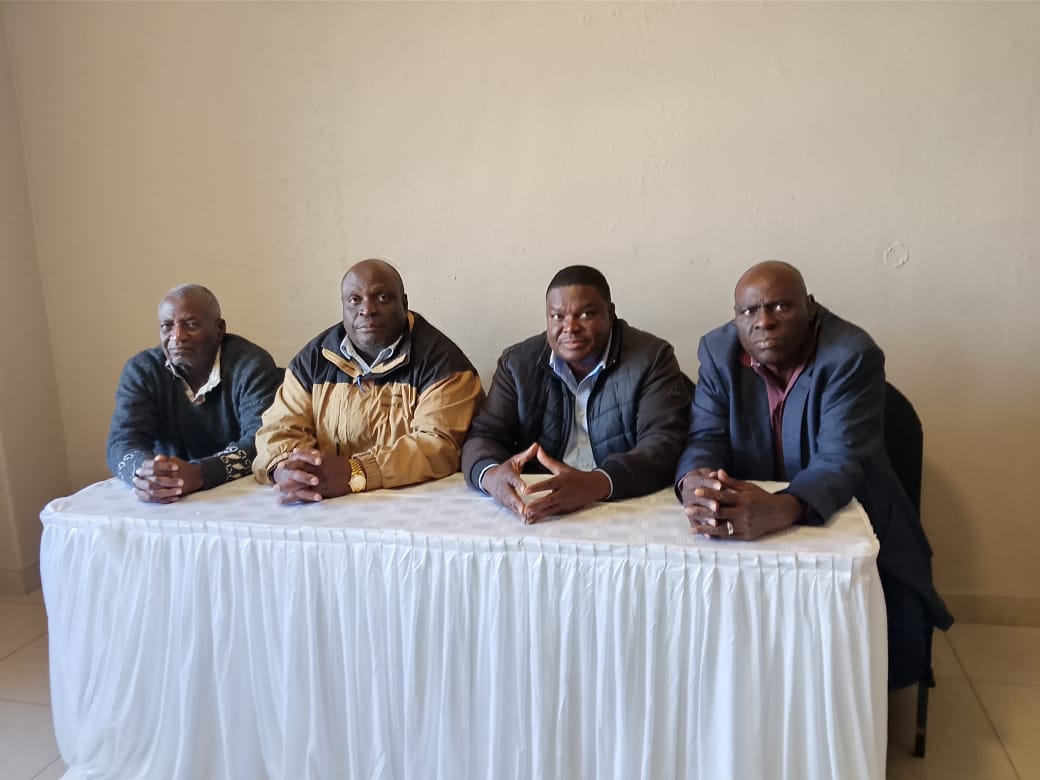
This week the company hosted the two’s boards and executive committees in Victoria Falls and provided them with consultants to help craft proposals and strategies that will see the two clubs setting up solid structures that will ensure their brands and popularity are monetised.
After bagging such a fantastic financial package and additional help in transforming the clubs into businesses, they can have no one else to blame if they fail to stand alone after the three-year relationship.
All the clubs’ decision-makers were there and they can have no excuse for failing to transform themselves into businesses.
Sakunda has not just thrown money at them, but it’s also funding the transformation process. It’s not dictating to the clubs what to do, but simply availing resources for them to fulfil long-held visions that were being hampered by lack of financial resources.
It is said Highlanders are one of the best run clubs in the Premier Soccer League, but that supposed solid policy has not translated to the field of play where the team has been struggling for success.
The Sakunda-organised strategic workshop gave them the opportunity to brainstorm on how they can move to the next step of making Bosso a commercial entity.
The club’s leadership must demonstrate in the coming few months that they learnt something from the leading consultants Sakunda provided for them to reposition the club as a viable commercial entity.
The just-ended workshop could be the game changer that local football needed to professionalise clubs in terms of management and operations.



 Online Reporter