Online Reporter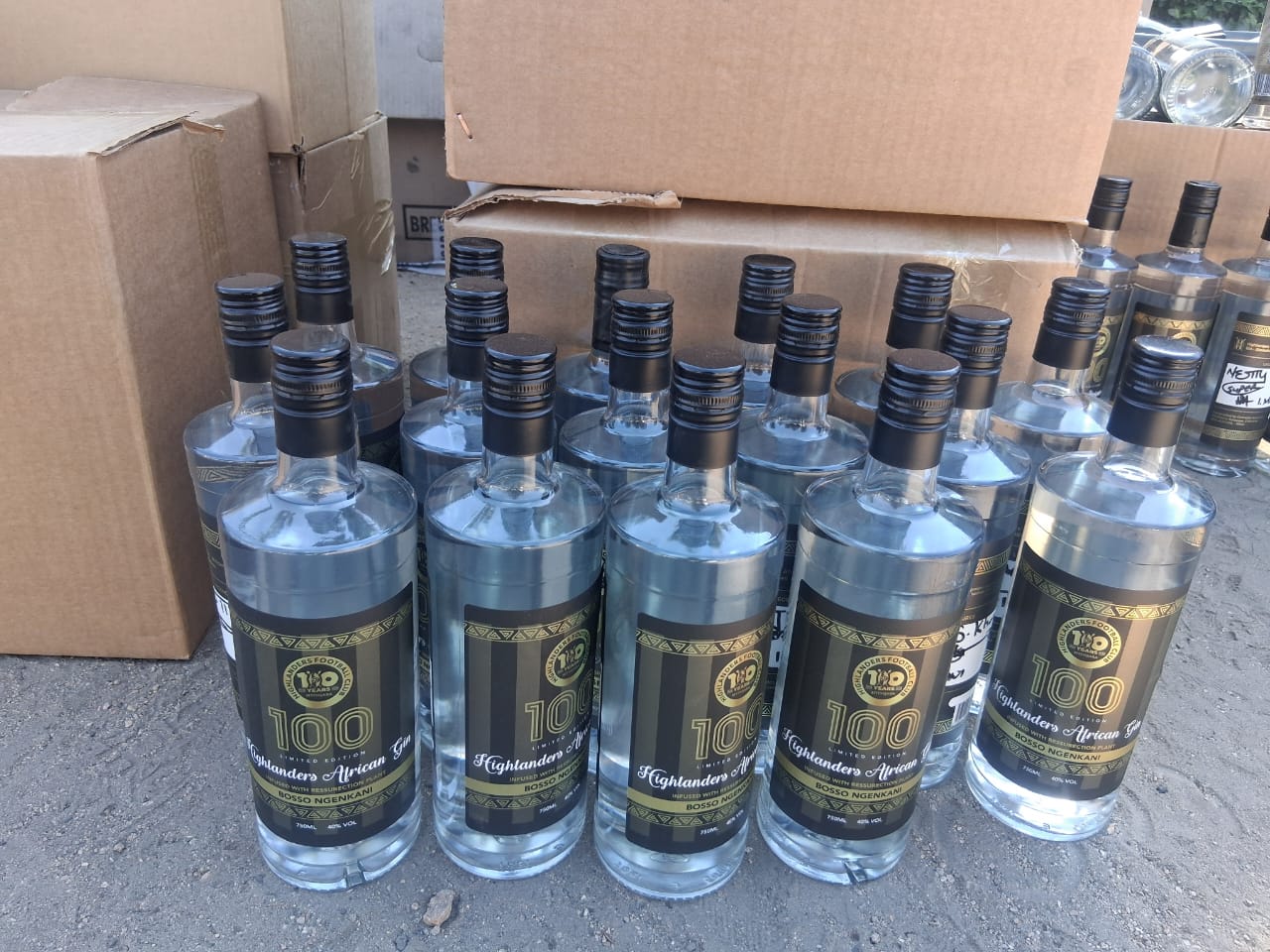
Danisa Masuku
[email protected]
THE trial of Comrades Beverages (Private) Limited, a Bulawayo-based company accused of manufacturing and selling liquor without the requisite licences and operating an unauthorised factory, is set to commence on June 26.
The company’s managing director, Langa Bright Moyo, appeared before Bulawayo Provincial Resident Magistrate Mr Themba Chimiso on Thursday representing the firm, which faces several charges linked to the alleged illegal production of alcoholic beverages.
The charges include contravening Section 8(1)(4) of the Factories and Works Act [Chapter 14:08] for occupying or using an unauthorised factory, contravening Section 113(1)(a) of the Liquor Act for selling liquor without a licence, and violating Section 10(1) of Statutory Instrument 18 of the Environmental Management Act relating to the control of hazardous substances.
Prosecutor Mr Samuel Mpofu requested a postponement to allow the matter to proceed to trial, and the court remanded the case to June 26.
According to the State outline, police detectives acting on a tip-off on June 10 conducted a compliance inspection at premises in Bulawayo’s central business district where the company was allegedly manufacturing alcoholic beverages.
“The detectives proceeded to the premises and, upon arrival, introduced themselves and informed Mr Moyo that they were conducting a compliance check. They discovered that the accused was engaged in liquor manufacturing operations at the premises, which are not registered and do not have a certificate to operate as a factory,” reads part of the State’s case.
Investigations allegedly revealed that the company was producing and distributing various alcoholic products in and around Bulawayo.
Police reportedly recovered 96 bottles of gin branded Highlanders African Gin, 156 bottles of Kalahari African Gin, 85 unbranded bottles of liquor and equipment allegedly used in the manufacturing process.
The State further alleges that detectives recovered 600 litres of ethanol stored at the premises and that the company did not possess the required permit from the Environmental Management Agency (EMA) or a certificate authorising its storage.
The recovered liquor, ethanol and manufacturing equipment were seized as exhibits.
The court is expected to hear evidence when the trial opens later this month.