Online Reporter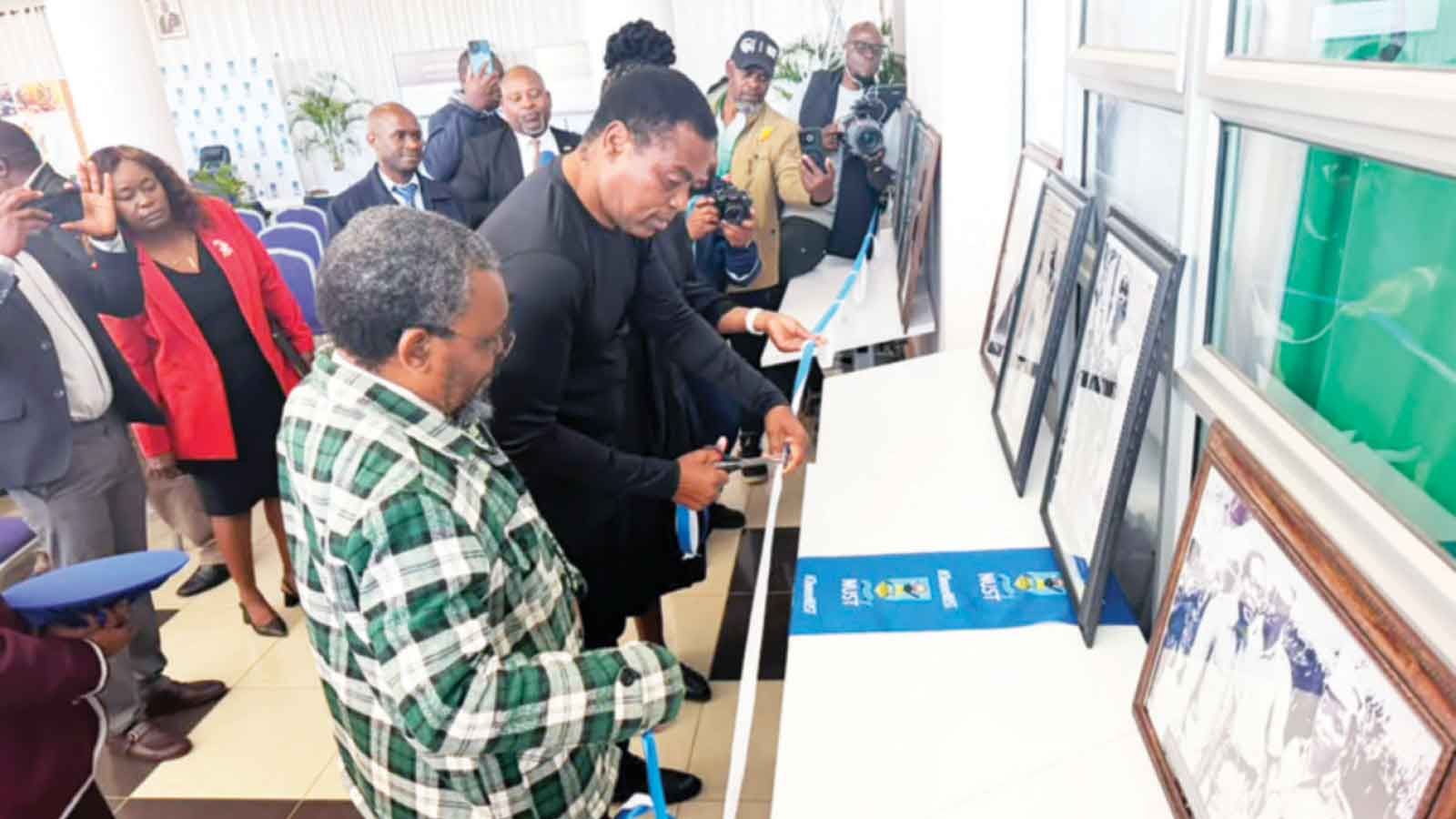
Gibson Mhaka and Ryan Sibanda
WITH only a few days left before Zimbabwe commemorates Heroes’ and Defence Forces Holidays, the preservation of the country’s liberation heritage and the need to pass its values to future generations took centre stage yesterday.
War veterans, academics, journalists and learners converged at the National University of Science and Technology (Nust) in Bulawayo for a historic Heroes’ Day photographic exhibition embracing the national theme: “Lest we forget: A visual journey of sacrifice and liberation.”
The exhibition underscored the significance of Heroes’ Day as a national occasion to honour the sacrifices of liberation heroes, while inspiring younger generations to preserve the country’s history through education, documentation and inter-generational engagement.
It brought together the National Archives of Zimbabwe, academics, media practitioners and liberation war veterans to ensure the story of Zimbabwe’s liberation continues to be told through authentic photographs, oral testimonies and archival records.
Zanu PF Bulawayo Provincial chairman Cde Jabulani Sibanda commended Nust for taking Heroes’ Day commemorations beyond traditional ceremonies by bringing liberation history into an academic environment where young people could interact directly with war veterans and historical archives.
Universities had a strategic responsibility to nurture patriotic and innovative graduates who appreciate the sacrifices made by liberation heroes, while using education, science and technology to advance national development.
“We are excited to see a national institution of this level, a university, recognising the commemoration of the people that gave their lives, their time, their teenage years, their everything for the freedom of the generations that were to come.”
Cde Sibanda said the liberation struggle was not an end in itself, but a foundation upon which future generations should build a prosperous Zimbabwe.
He challenged students to honour fallen heroes by becoming producers of knowledge, technology and industry rather than remaining consumers, saying institutions of higher learning should become centres of innovation that drive industrialisation and economic transformation.
Nust Vice Chancellor Professor Mqhele Dlodlo said Heroes’ Day remained a solemn reminder of the sacrifices made by Zimbabwe’s sons and daughters, adding that institutions of higher learning had a responsibility to preserve national memory through research, heritage conservation and storytelling.
“Heroes’ Day is not simply a date on our national calendar. It’s a solemn reminder of the sacrifices made by the sons and daughters of this soil that gave us the freedom to education and to stand here today as a sovereign people,” he said.
Prof Dlodlo said the exhibition, a collaborative initiative between the Nust Department of Information Management and Archival Science and the Department of Journalism and Media Studies, demonstrated how heritage preservation and modern media could be combined to make liberation history accessible to younger generations.
He also paid tribute to the late veteran journalist and liberation war hero Mkhululi Sibanda, whose ‘Lest We Forget’ column in the Sunday News documented the stories of many unsung liberation fighters, describing journalism as an indispensable tool in preserving the nation’s historical memory.
National Archives of Zimbabwe director Ms Brenda Mamvura said preserving liberation heritage was essential in protecting the country’s collective memory and ensuring future generations accessed authentic accounts of Zimbabwe’s struggle for independence.
The Archives continued to preserve Government records, photographs, newspapers, speeches, maps, manuscripts, films and oral testimonies, which provide valuable evidence of the sacrifices made by liberation fighters and ordinary citizens during the war.
“By preserving these materials, the National Archives protects the nation’s collective memory, promotes historical research and ensures that future generations understand the sacrifices made to achieve this independence,” she said.
National Archives was also recording oral interviews with liberation war veterans, former political prisoners, collaborators and community leaders to preserve first-hand experiences that might otherwise be lost.
She said photographs and audio-visual archives remained critical because they authenticated historical events and enabled young people to connect with the liberation struggle through images, songs, testimonies and documentaries.
Speaking during a tribute to the late veteran journalist and liberation war hero Sibanda, Sunday News Day Editor Vincent Gono said journalism remained one of the most effective tools for documenting national history and safeguarding collective memory.
He said Sibanda’s widely acclaimed ‘Lest We Forget’ column became an important historical archive by documenting the experiences of both renowned and previously unknown liberation fighters, ensuring their contributions were permanently recorded.
“The focus of Lest We Forget is to ensure that Zimbabwe’s liberation struggle and Zimbabwe’s liberation memory are preserved,” he said.
Gono said responsible journalism helped counter historical distortion by recording authentic experiences, while commemorative journalism promoted national consciousness, patriotism and a shared understanding of Zimbabwe’s liberation history.
He encouraged liberation war veterans whose stories had not yet been documented to come forward so their experiences could be preserved for future generations.
Professor Lungile Tshuma said academics had played an indispensable role during the liberation struggle by shaping policy and providing intellectual leadership. Universities continued to carry the responsibility of preserving and interpreting that history through teaching and research.
He said journalism and academia complemented each other in safeguarding the country’s liberation heritage, citing the late Sibanda’s ‘Lest We Forget’ column as an example of how the media had ensured grassroots liberation fighters and lesser-known heroes were recognised.
“A nation which wants to grow together should share its memories with the young generation so that they understand where the country is coming from and where the country is going,” he said.
Prof Tshuma said the attendance of school pupils at the exhibition was particularly significant as exposing young people to authentic liberation history would strengthen patriotism and prepare them to contribute meaningfully towards the country’s development aspirations.
Preserving collective memory remained essential in building an informed and united nation.
The exhibition attracted pupils from several secondary schools across Bulawayo, with learners engaging directly with liberation war veterans, archivists, academics and journalists while touring photographic displays, documentaries and historical exhibits chronicling Zimbabwe’s liberation struggle.
For many of the learners, the exhibition offered a rare opportunity to hear first-hand accounts from those who witnessed or participated in the liberation struggle, bringing to life events that many had previously encountered only in history books.
Junior Parliament representative for Bulawayo Central and Gifford High School Lower Six learner Joshua Chatindo said the exhibition had broadened young people’s understanding of the country’s liberation history by creating direct interaction with liberation war veterans.
He said such platforms were critical in bridging the generational gap and ensuring that young Zimbabweans appreciated the sacrifices made to secure the country’s independence.
“This event in our city is a great initiative because it allows the youth to engage with the heroes of the liberation struggle. It enables us to receive first-hand information and understand the critical details of our country’s history,” he said.
“I believe such programmes should also be taken to rural and disadvantaged communities so that every young Zimbabwean has an opportunity to learn about our liberation heritage.”
St Columba’s High School Lower Six learner Ronewa Ndlovu said the exhibition had transformed her appreciation of Heroes’ Day and highlighted the importance of preserving the country’s history through photographs and personal testimonies.
She said interacting with historical images and listening to the experiences shared by liberation war veterans had given her a deeper understanding of the sacrifices made to attain independence.
“I believe these exhibitions should be held regularly because they are educational, inspirational and help young people appreciate the sacrifices that brought us our freedom,” she said.
Their sentiments reflected the exhibition’s broader objective of ensuring that the liberation story continues to resonate with younger generations through education, dialogue and the preservation of authentic historical records, thereby strengthening national identity and patriotism.