malvernmugadzikwa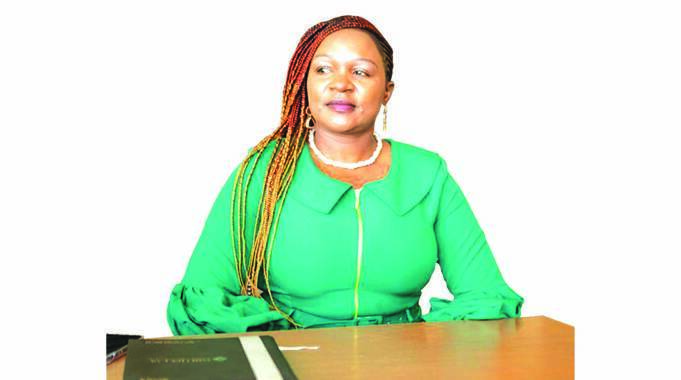
Tanyaradzwa Rusike
PRESIDENT MNANGAGWA will today launch one of his administration’s signature initiatives in Bulawayo meant to document and address post-independence violent disturbances that rocked Matabeleland and parts of the Midlands Province, marking a historically significant step towards enhancing national unity and reconciliation.
The Gukurahundi Community Engagement Outreach Programme, a landmark initiative, seeks to identify people directly and indirectly affected by the disturbances, capture their views and establish community-led solutions to their grievances.
Through community-led dialogue, the initiative seeks to understand the root causes of the disturbances and establish possible solutions.
Also, the exercise will help identify the needs of Gukurahundi victims so that the State can provide appropriate interventions and solutions for closure.
Since assuming office, President Mnangagwa’s administration has committed to confronting Zimbabwe’s troubled past by resolving issues related to the disturbances.
In an interview with The Sunday Mail, Head of the Secretariat for the Matabeleland Peace-Building Outreach Programme, Mrs Virginia Mabiza, who is also the Attorney-General, said: “The main objective of the programme is to provide a platform for victims and their families to share their experiences, promoting healing and reconciliation.
“The programme is led by the National Council of Chiefs and supported by the Government, which has allocated a dedicated budget and resources to ensure its successful implementation.
“Additionally, the hearings and consultations will be community-based and will involve a diverse panel of counsellors, rapporteurs and community representatives, ensuring that the process is inclusive.”
She said the goal was to ensure that appropriate measures are taken to address past conflicts and promote open dialogue and reconciliation.
“The programme aims to strengthen the social fabric of Zimbabwe, foster unity and prevent the recurrence of similar incidents in future,” she said.
Mrs Mabiza said the decision to allow chiefs to lead the outreach process was made after extensive consultations with various stakeholders.
Traditional chiefs, she added, are deeply rooted in their communities and can facilitate open and honest dialogue.
“Their leadership ensures that affected individuals feel safe and supported in sharing their testimonies.
“Historically, chiefs have always played a crucial role in conflict resolution within their communities, making them well-equipped to handle such sensitive matters,” she said.
“Their involvement is pivotal in fostering trust, healing and reconciliation, allowing the Gukurahundi Outreach Programme to achieve its goals effectively.
“They also serve as a bridge between the community and the State, effectively communicating concerns and recommendations of the community to the Government.”
The outreach programme is scheduled to run for a period of six months to one year.
“The primary goal is to promote national unity and strengthen the social fabric of Zimbabwe by addressing the root causes of past conflicts and promoting inclusive dialogue and reconciliation,” added Mrs Mabiza.
“Additionally, it aims to identify the needs of the victims of the Gukurahundi conflict so that the State can provide appropriate interventions and solutions to bring closure to this chapter.
“A significant aspect of the programme is that it empowers victims to express their needs and desires, allowing them to articulate what would help ease their pain.”
Meanwhile, addressing a press conference in Bulawayo yesterday, Permanent Secretary in the Ministry of Information, Publicity and Broadcasting Services Mr Nick Mangwana said: “His Excellency, the President of the Republic of Zimbabwe, Cde Dr ED Mnangagwa, is coming to Bulawayo to launch the Gukurahundi Community Engagement Outreach Programme. This initiative is considered to be of high national importance, and it will be launched tomorrow, Sunday (today) the 14th of July 2024 at the State House in Bulawayo.”



 Online Reporter