admin
admin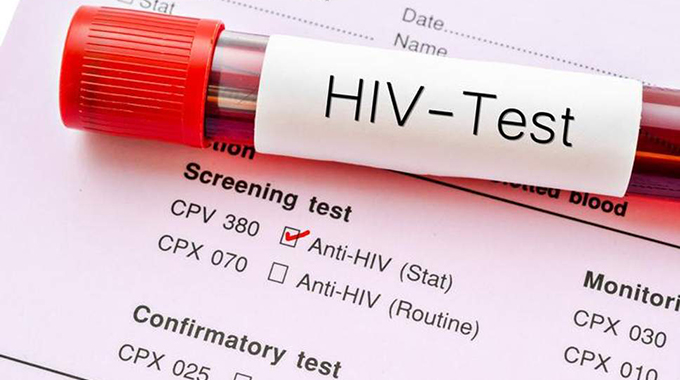
Paidamoyo Chipunza Senior Health Reporter
There is a common belief in society that HIV, just like poverty, wears the face of a woman even though infected men must have infected the women sneered at.
This is true in the case of Grace Maphosa (not her real name) of Mutsambiwa in Gutu who is HIV positive and has had to deal with rejection by her husband and some members of her immediate family.
Her husband, whom she claims admitted to have infected her, left her for another woman and left her the responsibility of looking after their three minor children, despite her incapacitation. Maphosa said she could not stomach seeing her ‘healthy looking’ husband with another woman while she was bedridden forcing her return to her parents’ home in Mutsambiwa.
“It all started when I got seriously ill while I was still living with my husband in Bikita. I tested positive for HIV when I sought medical assistance.
“Then, my husband admitted that he was also HIV positive and has been taking anti-retroviral drugs all along. I embraced my new status thinking that we will support each other since we were both positive. Little did I know that he was actually planning on leaving me because of the state I was in,” said Maphosa.
She said her condition deteriorated to the extent that she could neither walk nor eat on her own and had to rely on the helping hand of her neighbours. She said this situation forced her to return to her parents’ village, but a rude shock awaited her as her own siblings rejected her.
“My brothers refused to allow me back into the family home. They said I should go back to die in Bikita. They argued that if I die at our house they will not get lobola from my husband. To them I was good as dead and they wanted to use my body upon death to get compensation from my in laws but knowing the situation in Bikita, I could not go back,” she said.
She said in the midst of her struggles, she found a family which needed someone to look after their home within their neighbourhood and she took up the offer.
She said a team from Medicines Sans Frontiers (MSF) came to her rescue and linked her with a health facility and she started receiving treatment.
Although she has now recovered and is making a living from subsistence farming Maphosa is one of the many women who experienced multiple forms of gender based violence at some point in their lives are still struggling to cope with their social and economic effects.
Gender-based violence (GBV) is any harmful act that is perpetrated against a person’s will and that is based on socially ascribed differences between males and females. It manifests in different forms, which include sexual, physical, emotional, economic as well as harmful traditional practices. According to the United Nations, all acts of GBV are violations of fundamental human rights.
Zimbabwe is taking part in the 16 days of activism against gender based violence, which is running under the theme: Orange the world: generation equity stands against rape. Traditionally, the 16 days of activism campaign are observed between November 25 and December 10 within which the World Aids Day is observed on December 1.


 Online Reporter