Online Reporter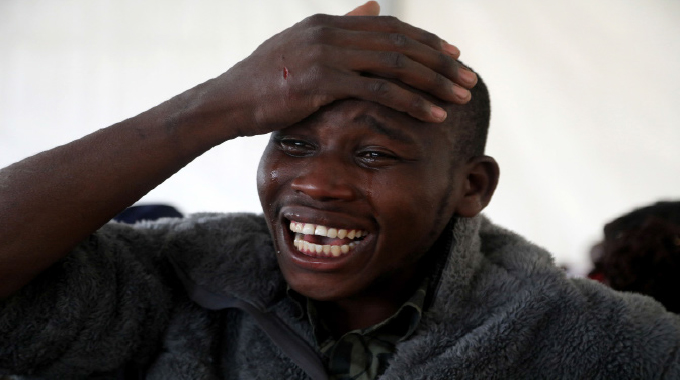
Blessings Chidakwa, Senior Zimpapers Reporter
THE pain of drug and substance abuse was laid bare at the Angel of Hope Drug Rehabilitation Centre in Mbare yesterday as scores of beneficiaries arrived for the 10th intake.
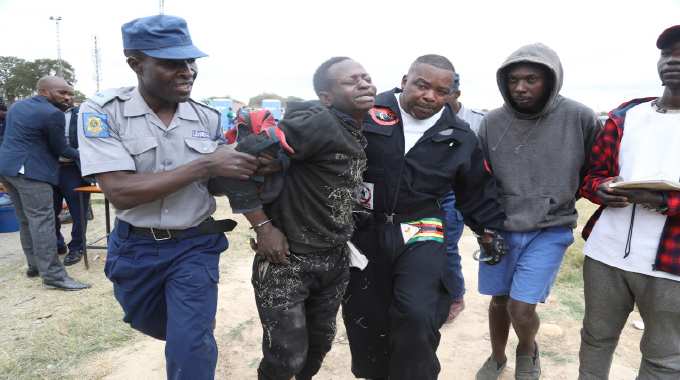
Some arrived in heartbreaking states, with unkempt hair, dirty clothes, a strong odour, sunken eyes, trembling hands and a disoriented appearance, revealing the devastating toll of prolonged drug and substance abuse.
Others were brought in chains after their families could no longer cope with violent behaviour.
Some uttered incoherent statements, offering a sobering glimpse into the devastating effects of substance abuse on individuals and the families who love them.
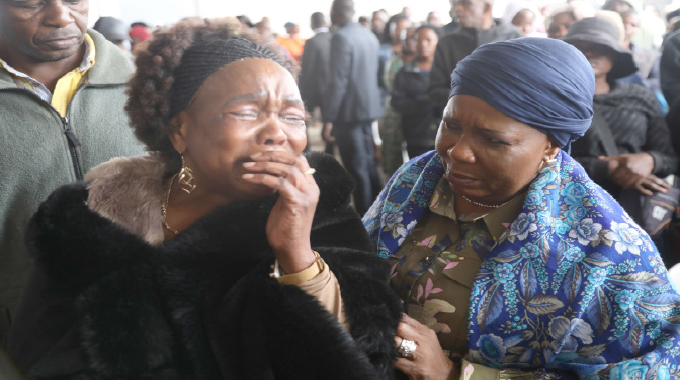
For some families, bringing their loved ones to the centre marked the culmination of months or even years of fear, pain and helplessness.
One of the most touching moments of the day involved an 11-year-old girl who accompanied her two older siblings to the Angel of Hope Drug Rehabilitation Centre, determined to see them receive help. The youngest in the family, she said she had brought her siblings because she wanted them to get help and recover.
She said she was inspired by First Lady Dr Auxillia Mnangagwa’s work helping people affected by drug and substance abuse.
“I am the youngest in the family. I brought my older siblings here because I want to help them. I want to do what the First Lady does to help others,” she said.
In some cases, families from different communities, united by the same painful experience, hired commuter omnibuses to bring their loved ones for treatment.
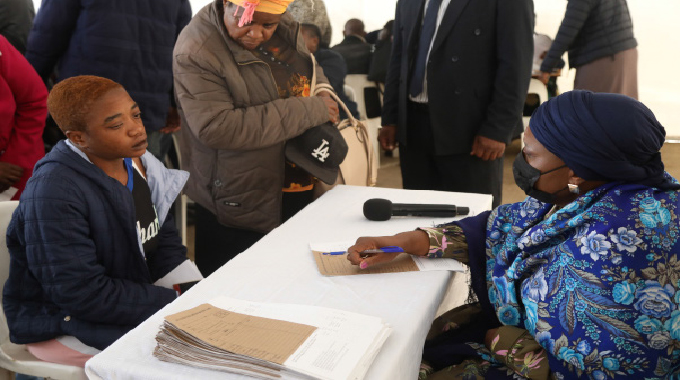
The journeys brought together families who had battled similar challenges and were now placing their hopes in rehabilitation.
A handful of beneficiaries attempted to escape before admission, further exposing the difficulties families face when trying to secure treatment for relatives affected by substance abuse.
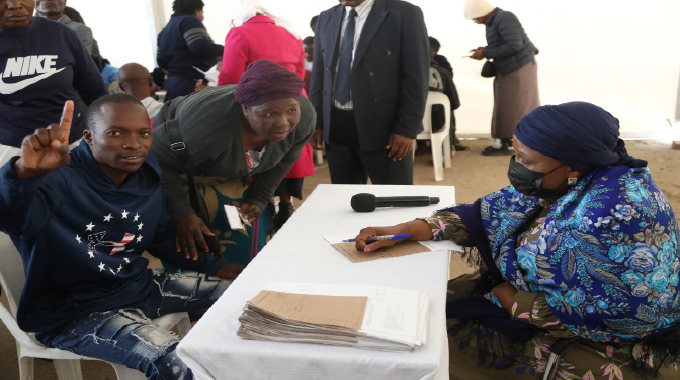
During admission, parents first voluntarily signed indemnity forms before trained professionals, including psychologists and medical practitioners, assessed the conditions of the new beneficiaries.
For parents, spouses, siblings and guardians, the admission process was therefore not simply about bringing someone to a rehabilitation centre.
It was about holding on to hope after watching a loved one change before their eyes.
The latest intake brought together beneficiaries from different parts of the country, with some families having endured prolonged distress.
The consequences included broken relationships, abandoned families, school dropouts, job losses and significant behavioural changes.
For most households, drug abuse had also drained finances while placing immense emotional pressure on parents, siblings, spouses and other relatives.
The centre, established under the patronage of First Lady Dr Mnangagwa through the Angel of Hope Foundation, provides structured rehabilitation and support.
Upon her arrival at the centre, Dr Mnangagwa was warmly received by families of beneficiaries, many of whom expressed hope that their loved ones would return home transformed.
In her interaction with families, Dr Mnangagwa said the centre remained accessible to individuals requiring rehabilitation, psychosocial support and assistance with reintegration into society.
Dr Mnangagwa also thanked her Angel of Hope Foundation partners for their unwavering support, which makes her work easier, saying her efforts are driven by a commitment to building a drug-free society.
The First Lady urged families to continue showing love and support during the rehabilitation process, stressing the importance of sustained support throughout the recovery journey.
Veteran newscaster and substance-abuse survivor Oscar Pambuka opened his testimony with his familiar news-reading introduction before taking beneficiaries through his journey from addiction to recovery.
“Good morning, ladies and gentlemen. This is Oscar Pambuka bringing you the news,” he began, briefly taking beneficiaries back to his days behind the microphone.
Pambuka said his substance-abuse journey began with cigarettes and marijuana before progressing to BronCleer, pills and crystal methamphetamine, commonly known as guka.
“I was trying to numb what was happening inside me. From there, I moved on to BronCleer, pills and crystal meth,” he said.
He described the devastating effects of prolonged drug use, including hallucinations, sleeplessness and neglect of personal hygiene.
“Once you start using drugs, one thing leads to another. You begin seeing things that are not there and hearing things that are not there. The hallucinations become worse,” he said.
“It becomes as if something has taken over you. You stop bathing and stop sleeping. I once went for two weeks without sleep.”
Pambuka said discipline was central to recovery and urged beneficiaries to take advantage of the structured environment, food, security and vocational training offered at the centre.
“Here, there is discipline, and discipline is the most important thing in recovery. You must start dreaming big again,” he said.
“Your food and security are guaranteed, and you will be taught different projects. Take it very seriously. God loves you. You have been separated from the crowd for a reason.”
He urged beneficiaries to reject stigma and make deliberate changes after rehabilitation.
“Survivors should not be stigmatised because stigma can lead to relapse. Be a different person. Change your friends and change your environment,” he said.
Pambuka, who spent 16 years in broadcasting, said the First Lady helped him rediscover his identity during his darkest period.
“Our Mother Dr Mnangagwa located me while I was in prison during the zero-tolerance campaign. She reminded me of who I am, Oscar Pambuka, the newsreader,” he said.
“I had been written off, but today I am fit. So many testimonies are coming from this place. Recovery requires strong personal commitment and determination.”
Pambuka also warned that substance abuse damages the liver, lungs, nervous system and the body as a whole.
For families, bringing loved ones to the centre was the painful culmination of years of fear, heartbreak and helplessness as addiction tore their lives apart.
However, getting a relative into treatment itself has been a major struggle.
Some have spent months trying to persuade loved ones to accept help, while others have closely supervised relatives simply to ensure they reach a rehabilitation centre.
Testimonies from families highlighted both the severity of addiction and the changes witnessed after beneficiaries entered the rehabilitation programme.
Gogo Dadirai Mutopo said her orphaned grandson, who once worked and lived normally, changed drastically after becoming addicted to drugs.
“He would wake up insulting people and accusing me of killing his mother. I became afraid even to leave home because I feared something might happen while I was away,” she said.
Gogo Mutopo said her grandson began stealing household property to fund his drug use, leaving neighbours distressed and taking a toll on her own health.
“I was eventually advised to take him for rehabilitation. I registered him last year, but due to the high numbers, I had to wait until I was called. Today, he has finally been admitted,” she said.
For Mr Munyaradzi Chitembwe, bringing his son to rehabilitation was a desperate attempt to save a life that once held immense promise.
His son is a qualified medical doctor who completed his training, worked for several years and pursued further specialisation before substance abuse gradually consumed the career and future he
had worked so hard to build.
“He started with alcohol before progressing to crystal meth. We tried everything we could to help him, but nothing worked. This time, we decided to bring him here and pray that his life can change,” he said.
Munyaradzi said his son, who was married to a lawyer, also lost his marriage as substance abuse took an increasing toll on his life.
He said his son now spent whatever money he received on drugs, while the career he had built slipped further away.
“He had been specialising, but he was eventually suspended. We just want his life to be restored. We hope he finds the help he needs and receives the grace to start again,” he said.
For Mrs Anna Muchemwa, taking her relative to rehabilitation came after years of fear and turmoil as drug abuse transformed someone she once knew into a source of violence at home.
She said the situation became so severe that family members lived in fear, with household property repeatedly damaged during violent outbursts.
“He has become very violent. He steals while we are sleeping, and doors in the house have been broken. On one occasion, he even tried to strangle me,” she said.
Attempts to correct his behaviour often triggered further confrontation, leaving the family struggling to maintain peace in their own home.
“When you try to correct him, it becomes a fight. He insults people and sometimes takes food and locks others out. It has been very painful for the family,” she said.
Another mother, Dudzai Kahanda, said her son’s addiction to crystal meth had transformed his behaviour, making him abusive and violent towards family members.
“He insults everyone, uses vulgar language and shows no respect for his parents or siblings. He has become violent,” she said.
A father said his son began selling his clothes to finance his drug use and eventually lost his appetite.
“He would take his clothes and sell them to buy drugs. After becoming addicted, he stopped wanting to eat,” he said.
Such accounts offered families at the latest intake a reminder that rehabilitation can mark the beginning of a difficult but potentially life-changing journey.
The centre’s rehabilitation framework incorporates medical care, psychological counselling, spiritual guidance, vocational training and life-skills development.
It also includes family reintegration support to prepare beneficiaries for a return to their homes and communities.
The vocational component equips recovering beneficiaries with practical skills that can support employment, further education or income-generating projects after rehabilitation.
The 10th intake therefore represents more than another admission cycle.
Behind every beneficiary is a family story, a painful journey and relatives hoping to see the person they once knew return.
The centre also provides families with guidance on supporting beneficiaries during rehabilitation and after discharge.
That continued support is critical as beneficiaries work towards recovery, rebuild relationships and prepare to return to their homes and communities.
As the 10th intake begins its rehabilitation journey, the focus is now on treatment, counselling, skills development and rebuilding lives.
For families who have endured the pain of addiction, yesterday’s admissions brought a difficult journey into focus, but also offered something many had almost lost: hope.