Online Reporter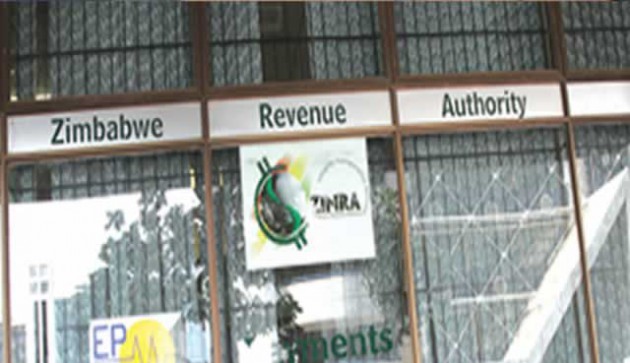
Gibson Mhaka, Zimpapers Politics Hub
TOURISM is rapidly becoming one of the most essential pillars of Zimbabwe’s economy. As a key economic driver, contributing 12 percent to the Gross Domestic Product (GDP) and outperforming agriculture and mining in 2024, tourism underscores its vital role.
The National Tourism Recovery and Growth Strategy (2020-2025) further aims to deliver US$5 billion in earnings annually. The capacity of tourism to stimulate economies through employment creation, foreign investment, foreign currency earnings, and value-addition at national, regional, and local levels is widely recognised.
This aligns with the World Tourism Organisation (WTO)’s acknowledgment of tourism as a sector with a comparative advantage in spreading economic benefits and providing alternative economic opportunities.
These benefits include investment, Government revenue through taxes and levies, employment generation, foreign exchange earnings, and sustainable development. Therefore, it is clear why tourism is rapidly establishing itself as an essential pillar of Zimbabwe’s economy.
However, in order to realise this potential, it is crucial to address the existing challenges and leverage the country’s unique tourism assets to promote sustainable and inclusive economic growth. Lately, the Ministry of Tourism and Hospitality Industry has facilitated the streamlining of certain taxes levied on industry players, as the Government seeks to ensure a competitive domestic tourism industry regionally and globally.
This action follows persistent concerns from tourism sector stakeholders who have cited numerous taxation burdens on their operations. These taxes have significantly weighed down Zimbabwe’s tourism industry, leading to exorbitant pricing for domestic tourists and costs higher than the regional average.
Some of the taxes levied on the hospitality industry operators include the tourism business licence fee, national parks and wildlife fee, Ministry of Transport fee, travel agent permit fee, external tour operators’ permit fee, car hire permit fee and a houseboat permit fee. Operators are also obliged to remit performance rights fees under the Copyright Act, to the Zimbabwe Music Rights Association (Zimura), as well as television licenses fees for every room.
Some of the laws that require payment from operators include the Tourism Act, tourism policy, Liquor Act, Environmental Management Act and the Indigenisation and Economic Empowerment Act.
A study by Deloitte and Touché demonstrates that a heavier tax burden negatively affects hotel and tourism revenues. Furthermore, fluctuations in tax rates significantly influence tourists’ decisions regarding their travel destinations and accommodation choices. This sensitivity stems from tourists’ mobility, access to information, and price awareness.
Consequently, travellers often select destinations based on the overall costs, including expenditures imposed by accommodation and catering providers. While tourism is highly sensitive to taxes due to their impact on prices, making complete exemption impractical, a dialogue between tourism players and the Zimbabwe Revenue Authority (Zimra) offers a path to address concerns and optimise revenue generation.
This is precisely the approach taken by hospitality industry players in Bulawayo, who recently held a business breakfast meeting with Zimra, under the theme, “Enhancing Compliance and Revenue Generation in the Tourism Industry by Promoting Responsible Tax Practices and Sustainability,” to express their concerns that some taxes levied on the sector are hindering its growth and to address these concerns.
This engagement followed a similar meeting held by Zimra in Harare in November last year, indicating a consistent effort to address industry concerns. Building upon this ongoing dialogue, Tourism Business Council Chief Executive Officer, Mr Paul Matamisa said the tourism industry had approached Zimra to seek clarity on various statutory instruments affecting the sector.
“We are here in Bulawayo to support the initiative Zimra is undertaking across the country. Initially, the industry approached Zimra because we had observed a lot of legislation being introduced that did not seem to support the industry. We wanted to engage. So, we contacted the Commissioner-General, and she listened.
“She quickly arranged a meeting in Harare. We met there and discussed various issues affecting businesses, issues that were making things difficult for people in the industry. We received a very positive reception. Normally, when you approach Zimra, you have apprehensions.
“You are unsure if you will be comfortable and be able to speak openly about the issues and if they will be taken on board. But this was very different. They were quite receptive to all the issues raised, and we were very happy. In the end, we reached an agreement, and that’s when the partnership between the tourism industry and Zimra was formed,” said Mr Matamisa. He emphasised that compliance was a critical issue that needed to be addressed.
“Compliance does not only affect Zimra; it also affects businesses,” said Mr Matamisa.
“We have heard from the discussions here that some people are operating businesses but are not members of any organisation, nor are they engaged with Zimra or the Zimbabwe Tourism Authority. They are simply pocketing whatever they earn and enriching themselves,” he added.
A participant emphasised the price-sensitive nature of the tourism industry, saying that every additional tax directly impacts their competitiveness.
He argued that unreasonable taxes not only harm their profitability but also deter travel and therefore called for a fair and sustainable tax structure that fosters growth and contribution, rather than one that hinders the industry.
“We understand the need for revenue generation, but the reality is, tourism is incredibly price sensitive. Every extra tax levied directly impacts our competitiveness.
“When those taxes become unreasonable, it doesn’t just hurt our bottom line; it discourages travel altogether. We need a tax structure that’s fair and sustainable, one that allows us to grow and contribute, not one that strangles the industry,” the participant said.
“We implore authorities to consider the long-term implications of excessive taxation. We are not advocating for tax exemptions, but rather for a system that recognises the inherent sensitivity of our sector. Reasonable taxes, carefully calibrated to support both revenue generation and industry growth, are essential. We need a partnership, not a burden, to ensure the sustainability of tourism in our region.”
Zimra Revenue Assurance Commissioner Constance Shumbayaonda said the revenue authority was making efforts to educate the sector on tax expectations in a bid to increase compliance. She noted that this would help eliminate penalties and interest charges, which are detrimental to businesses.
“Your sector is integral to our economy, attracting visitors who experience our unique landscapes, rich cultural heritage, and renowned hospitality. For the tourism sector, we are particularly concerned because we have witnessed significant growth.
“At the end of the year, there was a surge in travellers, both local and international, visiting our resort areas. Understand the unique challenges the industry faces, including seasonal fluctuations and sensitivity to international travel trends. That is why Zimra has implemented several initiatives to ease compliance,” said Commissioner Shumbayaonda.
“As Zimra, we are committed to reaching out in our efforts to boost revenue collection. We have also automated our systems to allow businesses to engage with us from the comfort of their hotels and lodges, reducing compliance costs,” she added.
Commissioner Shumbayaonda said tax evasion is a major concern in any sector, as it unfairly increases the tax burden on compliant businesses and deprives the Government of resources for public services.
“We commend those of you who diligently meet your tax obligations — you are instrumental in fostering a fair business environment. However, we also recognise that compliance complexities exist. Some businesses may be unaware of specific tax requirements, while others may struggle with certain processes. To address this, Zimra has intensified taxpayer education initiatives.
“Our teams are available to provide guidance on VAT, corporate tax, customs duty, and other tax matters, said Commissioner Shumbayaonda.
Her remarks clearly emphasise the significant economic contribution and growth of Zimbabwe’s tourism sector.
There is no doubt that by examining the current state of the tourism industry and identifying the statutory instruments that affect it, Zimbabwe could emerge as a major force in the regional tourism sector, especially with sustained investment in marketing and infrastructure. Effective policy and institutional frameworks are essential for promoting sustainable tourism development in Zimbabwe. These frameworks should include measures to improve infrastructure, enhance the business environment for tourism enterprises, and ensure the conservation of natural and cultural resources.