Online Reporter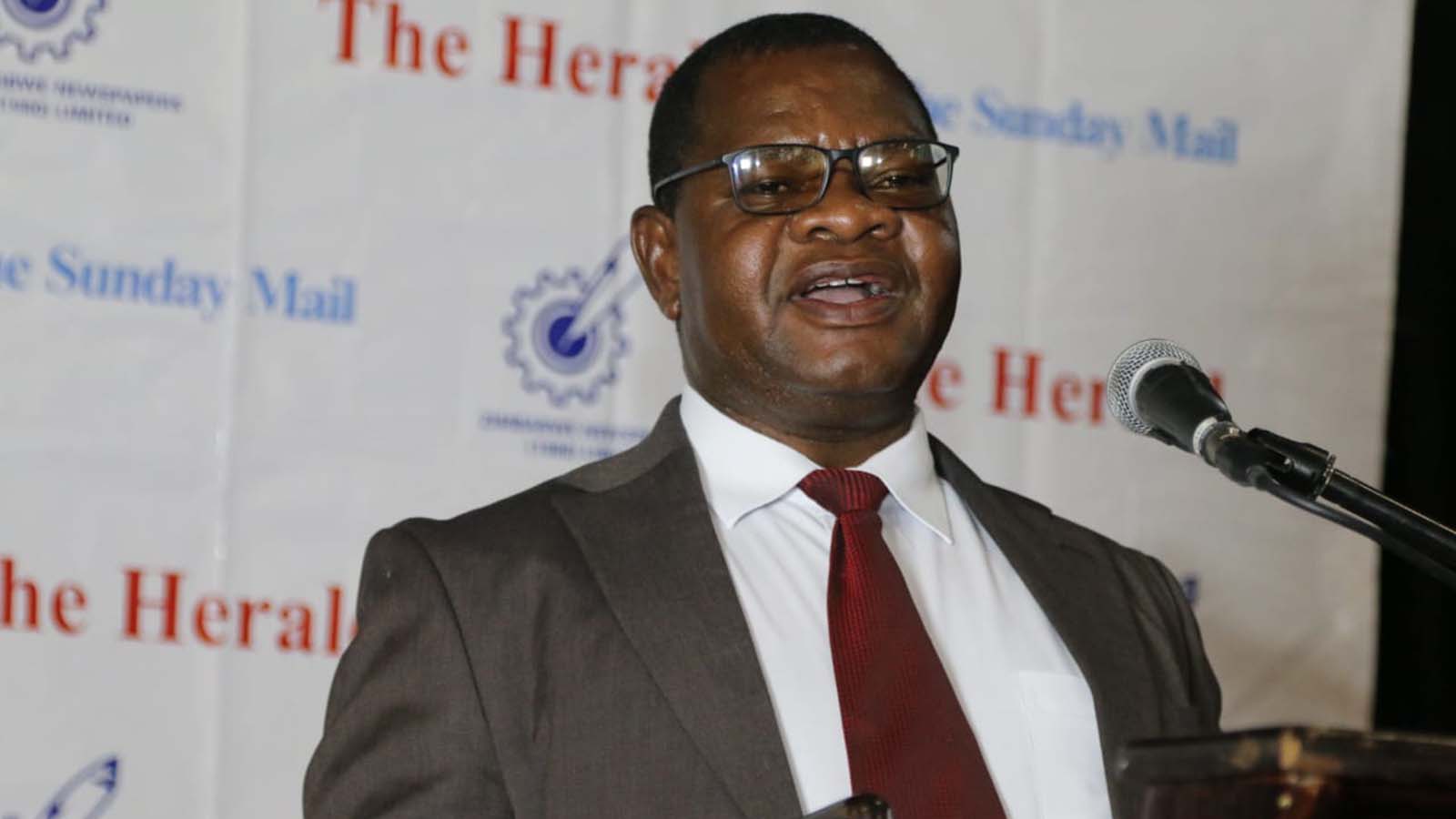
Martin Kadzere
As Zimbabwe faces potentially recurring El Niño-induced droughts, households are being urged to pool their savings into Village Business Units (VBUs) to strengthen climate resilience and secure local food production.
Speaking at a multi-stakeholder climate summit hosted by Zimpapers at the Zimbabwe Agricultural Society exhibition grounds in Harare on Thursday morning, Professor Obert Jiri, Permanent Secretary in the Ministry of Agriculture, Mechanisation and Water Resources Development, called on rural households and private stakeholders to actively fund micro-irrigation schemes rather than relying solely on state interventions.
Professor Jiri emphasised that while the government initiated the VBU concept to combat climate vulnerability, the long-term success and rapid expansion of irrigated agriculture depend on community-driven investment.
“It is critical that people direct their savings to ensure that they develop these units to boost production even during drought periods,” Professor Jiri said.
“While the VBUs were initiated by the government, households should take it upon themselves to invest in VBUs to ensure food security at the household level.”
The Village Business Unit model is a targeted rural development initiative introduced under the government’s Presidential Solar-Powered Borehole Scheme in 2021.
Designed to transition communal farming from rain-fed subsistence to commercialised, climate-smart agriculture, a standard VBU features high-capacity boreholes equipped with solar pumps, water storage tanks and drip irrigation systems.
There is also a shared plot of one to two hectares where community members collaboratively farm high-value horticultural crops (such as tomatoes, cabbages, onions and leafy greens).
Each unit operates as a formally registered enterprise managed by local beneficiaries, with profits distributed among participating households.
By providing a reliable water supply year-round, VBUs shield smallholder farmers from erratic rainfall patterns and severe dry spells.
With meteorologists forecasting below-normal rainfall for the upcoming cropping season due to the global El Niño weather pattern, the government is pushing to accelerate the roll-out of localised irrigation models.
While state-led initiatives aim to drill solar boreholes across thousands of rural villages, Professor Jiri noted that household-level capital and community savings groups can dramatically fast-track irrigation coverage.
By reinvesting personal savings into solar pumps, drip lines and high-yield seeds, communities can maintain continuous harvest cycles regardless of the rain deficit.
The call to prioritise VBUs forms part of the government’s broader drought preparedness plan, which shifts the national focus from reactive emergency aid to proactive, localised production safeguards.