Online Reporter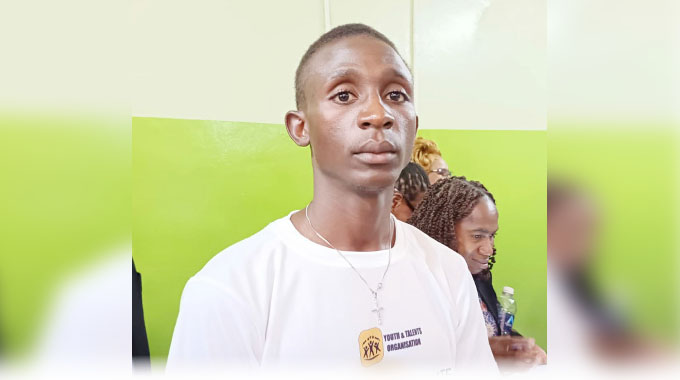
Patrick Chitumba, [email protected]
JAMES Mutimbanyoka’s life spiralled into chaos when he succumbed to drug addiction after completing his Ordinary Level examinations in 2015. His family and friends, deeply concerned, watched as he descended into self-destruction. His mother, heartbroken by her son’s actions, desperately sought help.
“I was entangled with drugs for five years, a dark chapter that began immediately after my O-levels. It all started with peer pressure, a misguided attempt to fit in with other school leavers in my area. I foolishly disregarded my mother and relatives’ warnings about the perils of drug and substance abuse. I fell in with what I now recognise as a bad crowd, though at the time, we believed we were being ‘cool’ as we indulged in illicit brews, marijuana and crystal meth,” he said.
As time went on, Mutimbanyoka found himself labelled a “drug addict”, a derogatory term that clung to him even when he took on work as a tout and commuter omnibus conductor in Kwekwe.
“The money I earned from my hustle was immediately spent on drugs, and soon, it wasn’t enough to satisfy the growing urge. I was eventually dismissed from my job because I was perpetually under the influence,” he said.
Mutimbanyoka revealed that his addiction consumed him, driving him to sell his mother’s clothes and belongings to raise money.
“My family began to ostracise me because of my thieving. By then, I felt utterly misunderstood and isolated. I resorted to stealing and selling everything in the house, from my mother’s clothing to electrical appliances, to purchase crystal meth. Dealers frequented my home, and eventually, I was driven out. I sought refuge with other addicts, including young girls who turned to prostitution to fund their own crystal meth habits.”
Mutimbanyoka eventually found sanctuary at the Amaveni Drug Rehabilitation Centre in Kwekwe, where he underwent a rigorous programme encompassing counselling, therapy, and support groups.
“Last year, I finally managed to break free from drugs. I then travelled to Mazowe, where I began praying and preaching the gospel while also assisting other addicts,” he said.
Mutimbanyoka likened drug cravings to intense food cravings.
“Just as a pregnant woman craves a drink and feels relief after consuming it, I was perpetually craving meth. Once it left my system, the urge for more was overwhelming,” he said.
Mutimbanyoka confronted the stark realities of his addiction and the devastation it had inflicted on those around him. With time, determination, and support, he slowly began to rebuild his shattered life. He gained a renewed perspective, and his addiction gradually relinquished its hold.
Today, Mutimbanyoka stands as evidence of the transformative power of rehabilitation and second chances. He has regained the trust of his family and friends and is now using his experiences to guide others struggling with addiction.
Mutimbanyoka’s story serves as a reminder that addiction can afflict anyone, regardless of their background or profession. However, with the appropriate support and treatment, it is possible to overcome addiction and embark on a fresh start.
Asked how he conquered his drug cravings, he said: “I was taught diversional therapy, where, upon experiencing a craving, I would engage in activities like chewing gum, eating popcorn, or working in the garden. It was undoubtedly challenging, but with determination and consistency, I managed to shake off the meth cravings.”
President Mnangagwa launched the Zimbabwe Multi-Sectoral Drug and Substance Abuse Plan (2024-2030) last year, a comprehensive strategy to combat the escalating scourge of drug and substance abuse. Speaking at the launch, he stressed that drug abuse poses a significant public health concern, jeopardising Zimbabwe’s development trajectory.
The Plan outlines seven critical pillars: drug and substance supply reduction, demand reduction, harm reduction, treatment and rehabilitation, psychosocial support, community reintegration, and policy and legal enforcement.
It also calls for strengthening supply chain disruption and the destruction of raw materials used for the production of illicit drugs and substances. Additionally, it urges social media influencers and content producers to exercise responsibility in their content creation, and implores local authorities and real estate developers to ensure adherence to relevant regulations and land-use plans.
Sister Tendayi Patricia Shumba, assistant director of nursing services at Kwekwe City Council, explained that the Amaveni Drug Rehabilitation Centre is a council-initiated institution. She said the institution initially served as a beer hall, then a church hosting facility, and now provides crucial services to individuals like Mutimbanyoka, aimed at liberating them from the clutches of dangerous drugs and substances.
“Mutimbanyoka is one of our success stories. He was once an addict, but he is now clean and using his experiences to educate others about the dangers of drug and substance abuse,” she said.
Sister Shumba said that the surge in drug, substance, and alcohol abuse that has recently plagued the city and the country necessitated the conversion of the facility into a Drug Rehabilitation Centre.
She said that the centre’s goal is to contribute to alleviating the dehumanising effects of these abuses through interventions that empower the target group to focus on development initiatives.
“This centre is still under development, and when completed, it will be the first of its kind in the province and beyond. The second phase, according to our plans, will provide facilities for ten beds each for male and female dormitories to offer shelter to the targeted group during rehabilitation, a demarcation wall between the male and female dormitories, and detoxification facilities with four beds each for males and females.
Securing funding to renovate and equip the second phase of the rehabilitation facility promptly will mitigate the challenges posed by drug, alcohol and substance abuse in the city and beyond.”