Online Reporter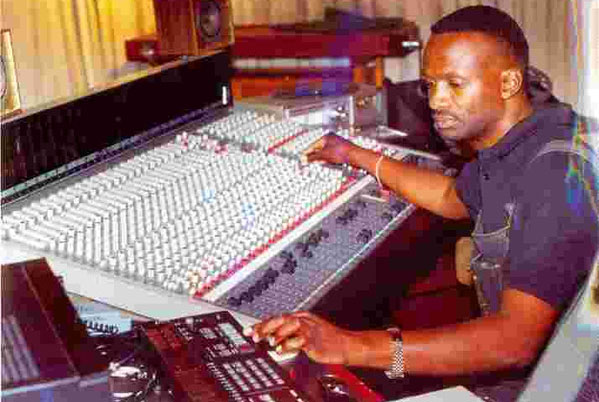
Liberty Dube
Entertainment Correspondent
ON a quiet evening in Mutare, mist rolls down from the Eastern Highlands and settles over the city like a soft curtain.
In a modest bedroom studio, a young musician sits surrounded, not by engineers or expensive equipment, but by a smartphone, a ring light, and conviction.
Within minutes, a song recorded in that room is uploaded on TikTok, Facebook, YouTube, X and WhatsApp.
By sunrise, it has travelled further than most physical tours ever could, reaching Harare, Johannesburg, London, New York and Amsterdam, among other entertainment hubs.
This is no longer an exception. It is the new rhythm of Zimbabwean art.
For decades, geography dictated opportunity. Studios, galleries and promoters were concentrated in a few urban centres, and access often mattered more than ability.
But digital media has quietly unsettled that geography, turning Mutare into an unexpected creative launch-pad where visibility no longer waits for permission.
Today, the smartphone has become a stage, a gallery and a distribution hub all at once.
Across the city, musicians livestream rehearsals, painters build exhibitions on X and Instagram, dancers test choreography in short-form videos, and poets release spoken-word pieces into timelines that stretch far beyond Zimbabwe’s borders.
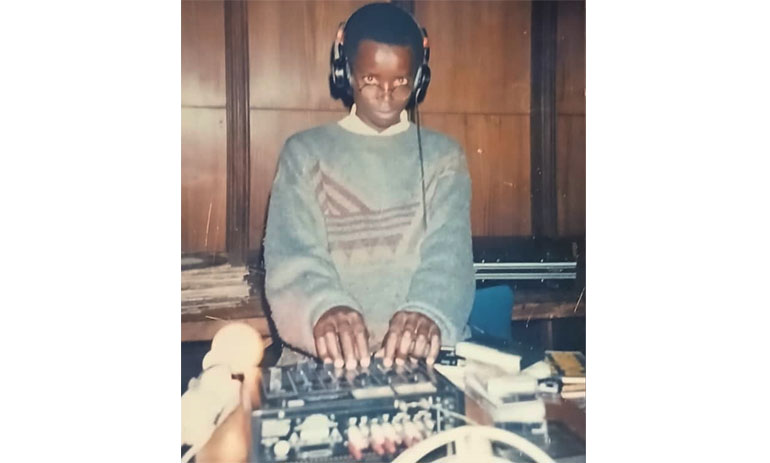
One of Zimbabwe’s veteran DJs, DJ Ranga T, has lived through the long arc of that shift, from vinyl crates to global streaming platforms.
“I started out in the early 1990s in Mutare when we were operating strictly in the vinyl era, and that period demanded a completely different level of discipline and dedication compared to what we see today.
“We were working with physical records, and every DJ had to build their reputation from the ground up through live performances in clubs, community halls, and local events where the audience response determined everything. There was no shortcut to recognition. You had to earn it through consistency, skill, and the ability to read a crowd.
“As time progressed, we moved through different formats — from vinyl to cassettes, then CDs, and later flash discs. Each transition came with its own challenges, but it also pushed us to adapt and refine our craft.
“Back then, there were no digital platforms, no social media, and no instant promotion tools. If people knew your name, it was because they had physically experienced your set or heard about it through word of mouth. Everything was local, organic, and built on reputation earned over time,” said DJ Ranga.
He added: “Today, the digital transformation has completely changed the DJ profession. Music is no longer confined to physical spaces like clubs or events.
“It is now global, immediate, and accessible to anyone with an internet connection. A mix recorded in Mutare can be uploaded and heard in different parts of the world within minutes. Even at my age, I have embraced this transformation because it ensures that our sound continues to evolve and reach audiences beyond our borders, while still staying true to its authentic roots and the culture that shaped us.”
For contemporary Afro-jazz musician, Tawanda Chari, known as WaCharie, the shift is less about technology, and more about who gets to decide relevance.
“As an Afro-jazz musician from Mutare, I have learnt over the years that geography no longer has to define or limit the reach and potential of an artiste.
“Through digital platforms, I have been able to share my music with audiences far beyond my hometown, connecting with listeners across Zimbabwe, the region, and even internationally. The availability of social media, streaming services, and online collaboration tools has created opportunities that were previously only accessible to artists based in major cities or those with access to formal industry networks.
“Digital platforms have allowed me to bridge the gap between local expression and global audiences. Through this, I have been able to showcase the richness of our culture and demonstrate that artistes from Mutare can confidently stand on international platforms without losing their identity.
“My journey has shown me that when local authenticity is combined with digital innovation, even the most community-based stories can find global relevance and appreciation.”
A local promoter based in Mutare, Boniface Nyamanhindi, has witnessed the same transformation from packed halls and paper posters to livestreamed global audiences.
“I have lived through the full journey of Zimbabwe’s live music culture, from the golden days of the analogue era, right through to the digital age we are experiencing now. When I first started promoting shows at venues such as Dangamvura Hotel, we were hosting some of the greatest legends this country has ever produced, including Safirio Madzikatire, popularly known as Mukadota, Thomas Mapfumo, Oliver Mtukudzi, and System Tazvida.
“People would travel from different areas just to experience music in its raw, unfiltered form, and the energy in those spaces was something truly special.
“In those days, promotion was entirely dependent on physical effort and community networks. We relied on posters, radio announcements, and word of mouth to bring people to shows. If a hall was full, it meant success; if it was not, the moment was lost,” said Nyamanhindi, before adding:
“Today, I am still active in the industry at the club, where I continue to work with both established and upcoming artists such as Suluman Chimbetu, Kinna, Chantel Sithole, and Romeo Gasa. Shows are no longer limited to those physically present in the venue. They are streamed live and watched across the world, especially in the diaspora,” said Nyamanhindi.
Veteran sound engineer and producer, Peter Muparutsa frames the change as both liberation and quiet disruption.
Since 1978, he has worked with artistes including Harry Belafonte, Manu Dibango, Jimmy Cliff, Misty in Roots, Gregory Isaacs, Third World, Maxi Priest, Oliver Mtukudzi, Thomas Mapfumo, Leonard Dembo, Talking Drum, Ilanga, Zig-Zag Band, Charles Charamba, System Tazvida, Mechanic Manyeruke, John Chibadura, Pengaudzoke, Judy Moyo, Mazai Mbira Group, Gorowane of Mozambique, Amayenge of Zambia, Lubumbashi Stars of the DRC, and his daughter-in-law, Dudu Manhenga.
“We came from an era where music production required tape machines, razor-blade editing, analogue consoles and physical distribution networks that were both expensive and time-consuming. Recording a song was a major undertaking that required patience, resources, and a high level of technical discipline. Today, technology has completely transformed that landscape. I can now record, edit, mix, and master music using digital tools that provide flexibility and precision we could only dream of in the past,” he said.
Mutare Tales project manager, Tawanda Ndlovu sees something more deliberate emerging beneath the creative surge.
Mutare Tales is a Zimbabwean arts non-profit organisation, and platform based in Mutare that empowers emerging creatives through mentorship, training, and performance opportunities.
“We are currently profiling all the artistes in our programme, including documenting their artworks, producing short video recordings, and linking them to their social media platforms in order to build a strong and visible international presence.
“The goal is to ensure that each artiste develops a clear, traceable digital footprint that can be accessed by audiences, collaborators, and potential buyers across the world.
“We recently participated in the Green Earth Action Day initiative organised by the Green Earth Action Foundation based in Geneva, Switzerland.
“As part of that programme, we submitted photographs of artworks focused on environmental sustainability, climate change awareness, and environmental stewardship,” she said.
Added Ndlovu: “Following that engagement, the foundation invited us to contribute to a collaborative portrait project involving 23 ambassadors from different parts of the world.
“We have created a digital gallery where artistes can submit their work, which is helping us document, preserve, and share creativity in a more structured way.
“Artistes are beginning to receive feedback, recognition, and opportunities that were previously out of reach. It is still early, but the direction is very clear,” said Ndlovu.
For the first time in decades, the distance between ‘peripheral’ and ‘central’ is no longer measured in kilometres, but in connectivity, consistency and creative courage. From the foothills of the Eastern Highlands, Zimbabwean art is no longer waiting for permission to travel.
It already has.