Patrick Chitumba, [email protected]
A FAMILIAR brand name and convincing packaging were enough to persuade two shoppers that they were buying genuine products.
Instead, one discovered suspicious baby formula, while the other was hospitalised after consuming counterfeit whiskey. Their experiences expose the dangers facing consumers in Zimbabwe’s marketplace, where counterfeit and substandard goods are increasingly being sold alongside legitimate products, raising concerns about public health, consumer rights and the survival of local businesses.
For Mrs Marie Nyakuse, the ordeal started when she bought baby formula for US$80, believing the packaging and brand name were genuine.
“I bought it believing it was genuine because of the packaging and the name on it. I only discovered that something was wrong when I got home and wanted to prepare the milk for my baby,” she said.
Mrs Nyakuse said the smell, the taste and even the colour of the milk told of a different story.
The discovery left her out of pocket and raised concerns about how counterfeit products could reach consumers without being detected.
Mr George Sibindi said he bought what he believed was genuine Jameson Irish Whiskey. He had far more serious consequences. Mr Sibindi was hospitalised for more than a month after consuming the product.
“I work hard for my money, so it is painful to pay for something believing it is genuine, only to discover that you have been cheated. I thought I had found original Jameson, bought three bottles,” he said.
“I drank one and finished it and was shocked why I wasn’t getting intoxicated. I opened the second bottle and halfway through I just collapsed, waking up at the hospital.”
Mr Sibindi said he was subsequently told that he had suffered damage to his central nervous system and multiple organs.
“Consumers need protection and there should be a way of holding those responsible accountable,”
he said.
The two cases illustrate the risks consumers face when counterfeit products are packaged to resemble trusted brands. Beyond the financial loss, fake goods can expose unsuspecting buyers to potentially dangerous substances and leave them uncertain about where to seek redress.
Counterfeiting has been reported across a wide range of products, including beverages, detergents,
foodstuffs, agricultural inputs, toothpaste and baby formula. Concerns have also been raised about the movement of counterfeit goods across Zimbabwe’s borders, including alleged supplies from neighbouring South Africa, Mozambique and Botswana.
For consumers already grappling with the cost of living, the financial consequences can be significant. For legitimate manufacturers, counterfeit products undermine brand reputation, distort competition and threaten jobs and investment.
The scale of the problem was highlighted in Kwekwe, where police arrested four people allegedly involved in selling counterfeit sugar packaged and labelled as a product of established manufacturer Tongaat Hulett.
According to the National Prosecuting Authority of Zimbabwe, detectives intercepted a truck carrying 698 bags of the suspected counterfeit sugar, each weighing 20 kilogrammes and with an estimated total value of US$14 658.
The suspects were allegedly delivering the consignment to Machingura Wholesale in Kwekwe’s industrial area when detectives, acting on a tip-off, intercepted a white and maroon DAF CF truck.
Tongaat Hulett’s loss control officer reportedly confirmed that the sugar was counterfeit.
The case demonstrates how counterfeiters can exploit established brands to mislead consumers while threatening the reputation and commercial interests of legitimate manufacturers. The suspects’ alleged involvement must, however, be determined through the courts.
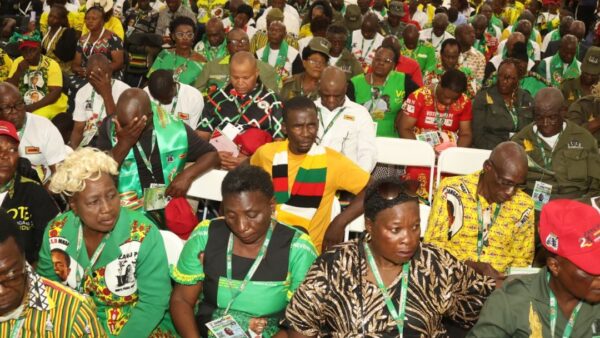
The growing concern over counterfeit and unsafe products was a key issue at the recent Consumer
Protection Commission’s 2026 Annual Consumer Conference in Gokwe South, where Government, regulators, businesses and consumers discussed ways to strengthen consumer rights and promote fair trading.
Vice-President Constantino Chiwenga has said a coordinated national response was necessary to protect public health, promote fair competition and sustain economic growth.
Government estimates that industry loses about US$1,2 billion annually to counterfeit products, underlining the scale of the threat to legitimate manufacturers, employment and the wider economy.
The conference ran under the theme: “Safe Products for Inclusive and Sustainable Economic Growth, anchored in Consumer Protection.”
VP Chiwenga said the Second Republic remained committed to economic transformation through industrialisation, investment, value addition, beneficiation, innovation and inclusive growth.
“These priorities must translate into tangible improvements in the lives of our people,” he said.
Consumer Protection Commission board chairperson Ms Respina Zinyanduko said businesses were required to comply with consumer protection laws, including provisions governing refunds.
“Consumer protection requires informed consumers, responsible businesses and effective regulation. We are strengthening consumer education, market surveillance and enforcement to ensure the marketplace works fairly,” she said.
She also warned businesses against using blanket policies to deny consumers their legal rights.
“The issue of no return, no refund according to the Consumer Protection Act is an offence. People should not be forced into buying to cover for change,” she said.
Industry and Commerce Minister Mangaliso Ndlovu said consumer education should begin at an early age, with Government considering incorporating consumer rights into the education system.
“The 2026 Annual Consumer Conference serves as a vital platform for advancing Zimbabwe’s consumer protection agenda. This year’s conference comes at a time when the proliferation of counterfeit and unsafe products remains a pressing concern, undermining consumer confidence, business integrity and national economic performance,” he said.
He said educating children about consumer rights would help them make informed purchasing decisions, identify unsafe or substandard products and seek redress when necessary.
Minister Ndlovu added that an informed consumer was better equipped to recognise questionable products and understand the responsibilities of businesses.
Midlands Minister of State for Provincial Affairs and Devolution Owen Ncube said consumer protection should extend to communities as development became increasingly decentralised.
“As we decentralise development, consumer protection must also reach our communities. Our people must participate in the economy knowing their rights and where to seek redress,” he said.
Buy Zimbabwe chairman and chief executive officer Mr Munyaradzi Hwengwere has also raised concern over the expanding range of products being targeted by counterfeiters, including bread, batteries, rice and chemicals.
Speaking on the sidelines of the Anti-Counterfeit Day programme at the Zimbabwe Agricultural
Show, he said the organisation was working to strengthen product detection, traceability and consumer awareness.
Mr Hwengwere said more than 20 000 jobs were estimated to be lost annually because of counterfeit products, while the full extent of the associated health risks remained unknown.
He said technology could help consumers and retailers trace products through supply chains and
verify their authenticity.
However, tackling the problem requires more than consumer vigilance. Effective market surveillance, enforcement against counterfeiters, cooperation between regulators and manufacturers and accessible channels for reporting suspicious goods are also essential.