admin
admin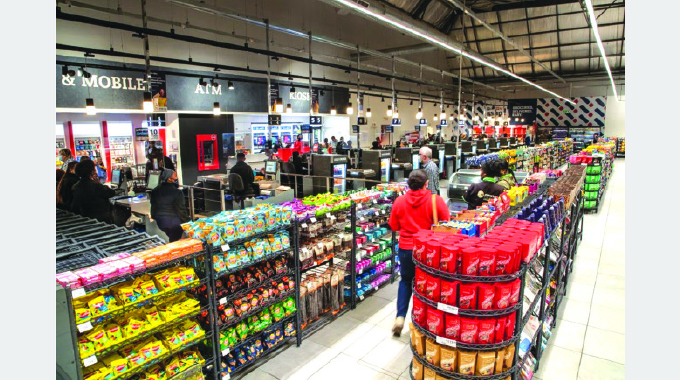
Pick n Pay CEO Pieter Boone is perhaps a little more forthright than one would expect 16-odd months into the job in a new country: “I don’t want to be the biggest retailer; I want to be the best.”
It would take a colossal effort to “catch” rival Shoprite. In South Africa, its Brackenfell competitor has more than 2 300 supermarket stores (including liquor and franchises). Pick n Pay, by comparison, has over 1 600 (excluding standalone clothing and Boxer Build outlets).
But to what end? What purpose would being the retailer with the most stores serve?
Investors are banking on Boone and his team ratcheting up the group’s margin far closer to Shoprite’s 6 percent mark. Its own stated goals are to achieve sales growth of 10 percent a year (on average) between now and 2026.
Diagnosing the problem took only six months (between September and February). Pick n Pay (importantly, excluding Boxer) had what Boone terms an “undifferentiated offer” — there was no real distinction between an average store in, say, Fourways, and one in Athlone.
One, the Pick n Pay most readers of this website know and love, but better. Stores that can stand toe-to-toe with a Woolies or brand new Checkers (Fresh X) with all the bells and whistles.
And then the so-called Project Red stores, since given the “Pick n Pay QualiSave” moniker, which are focused squarely on the middle market. There are six core categories in these: a fruit and veg market, bakery, fresh and frozen meat, cold drinks, “bulk and promotional” and “commodity power”.
That decision was the easy part and makes for a neat presentation slide. (Quite why it took the retailer ages to figure this out is another question entirely). Getting the proposition right in its stores is far harder.
The average shopper is probably not able to tell you exactly what it is that they want (or don’t want, even though they’ll quickly start rattling off a list).
They’ll know it when they see it and experience it. That’s the trick with retail, especially with something as “mundane” as selling groceries.
The utter obsession of its executives and managers over the tiniest details in both formats was clear on a media store-visit tour last month. These are people who instinctively know why shelves in a store serving one segment of customers should offer only three different brands of tomato sauce, for example.
The new – a PnP like you’ve not seen it
It has cut the range of products available in QualiSave stores by about a quarter. Boone says when the retailer asked customers about what they’d noticed, they said “you have more”.
Instead of a row or two of Ricoffy, shoppers could now see several shelves of the brand, stretching from top to bottom in its various pack sizes (this is obviously dependent on promotions).
In QualiSave stores, Pick n Pay’s own brand (private label) products are all at eye level.
Branded products are in less desirable spaces lower on the shelves meaning the retailer has the best possible chance of getting customers to choose its products (which come at a better margin than selling someone else’s brand).
It expects private label participation, excluding fresh categories, to be higher in its QualiSave stores than in Pick n Pay ones. In Boxer, it is higher still.
Promotional activity in QualiSave stores, in particular, is focused on commodity items and those core categories.
In the middle of the month, it will focus more on smaller, more affordable pack sizes while at month-end, there will be a lot more bulk rice, maize meal and flour on special (for example).
Merchandising is simplistic but neat, with hard-to-arrange products (such as biscuits or soap) available in on-shelf baskets and fast-moving items (like cooking oil) directly out of cut-open boxes.
But don’t think cash and carry. This is a far cry from that.
The executive leading QualiSave, Gustave Möller, has been with Pick n Pay for a decade. He joined from Shoprite, where he created and expanded Shoprite’s U-Save format. Pick n Pay has had this answer to its problem stuck away in its planning department for years!
Möller managed to convince Boone to allow him to revamp two Jo’burg stores. And here we are. Listening to Möller talk about “precision retail” and a relentless focus on the customer would give the Shoprite team pause for thought.
Pick n Pay stores are being “premiumised” with a strong focus on fresh produce, ready meals, cheese, the bakery, butchery — and categories where it can differentiate, such as coffee and olive oil.
It’s even making an aggressive push with rotisserie chicken, which one could easily argue is the purview of Woolies.
There is a selection of dry-aged meat, specialist citrus, and imported cheeses —items you simply wouldn’t have (easily) found in a PnP before. And the recently-launched Crafted Collection brand ties all of these as well as other products and ingredients together. Some of these will work, while some will need tweaking. It will target those stores that directly serve upper income shoppers first, as well as those where upgrades are overdue.
Pick n Pay will report interim results on Tuesday. — Moneyweb.



 Online Reporter