Online Reporter
Lovemore Chikova
Development Dialogue
Development is ultimately measured not by the elegance of policy documents, but by the roads people travel, the electricity that powers businesses, the water that reaches communities, the crops harvested by farmers, the houses built for families and the opportunities created for young people.
It is against this practical definition of development that the record of President Mnangagwa’s administration since 2017 should be assessed.
When the President assumed office, Zimbabwe faced formidable economic and infrastructure challenges.
Productive capacity had weakened, infrastructure deficits were substantial, public utilities required rehabilitation and the country’s international economic relationships needed rebuilding.
The response of the Second Republic was to place development at the centre of national policy.
The most important feature of this approach has been the attempt to move Zimbabwe from managing economic difficulties towards deliberately constructing a new development trajectory.
The Transitional Stabilisation Programme (TSP) laid the initial foundation between 2018 and 2020, followed by the National Development Strategy 1 (NDS1) from 2021 to 2025, and now the National Development Strategy 2 (NDS2), which covers 2026 to 2030.
These frameworks are anchored in the larger ambition of transforming Zimbabwe into a prosperous and empowered upper-middle-income society by 2030.
This continuity is important.
Countries do not develop through isolated projects, but they develop through sustained policy direction in which one programme builds upon another.
Building the infrastructure for growth
Perhaps nowhere is the development philosophy of the Second Republic more visible than in infrastructure.
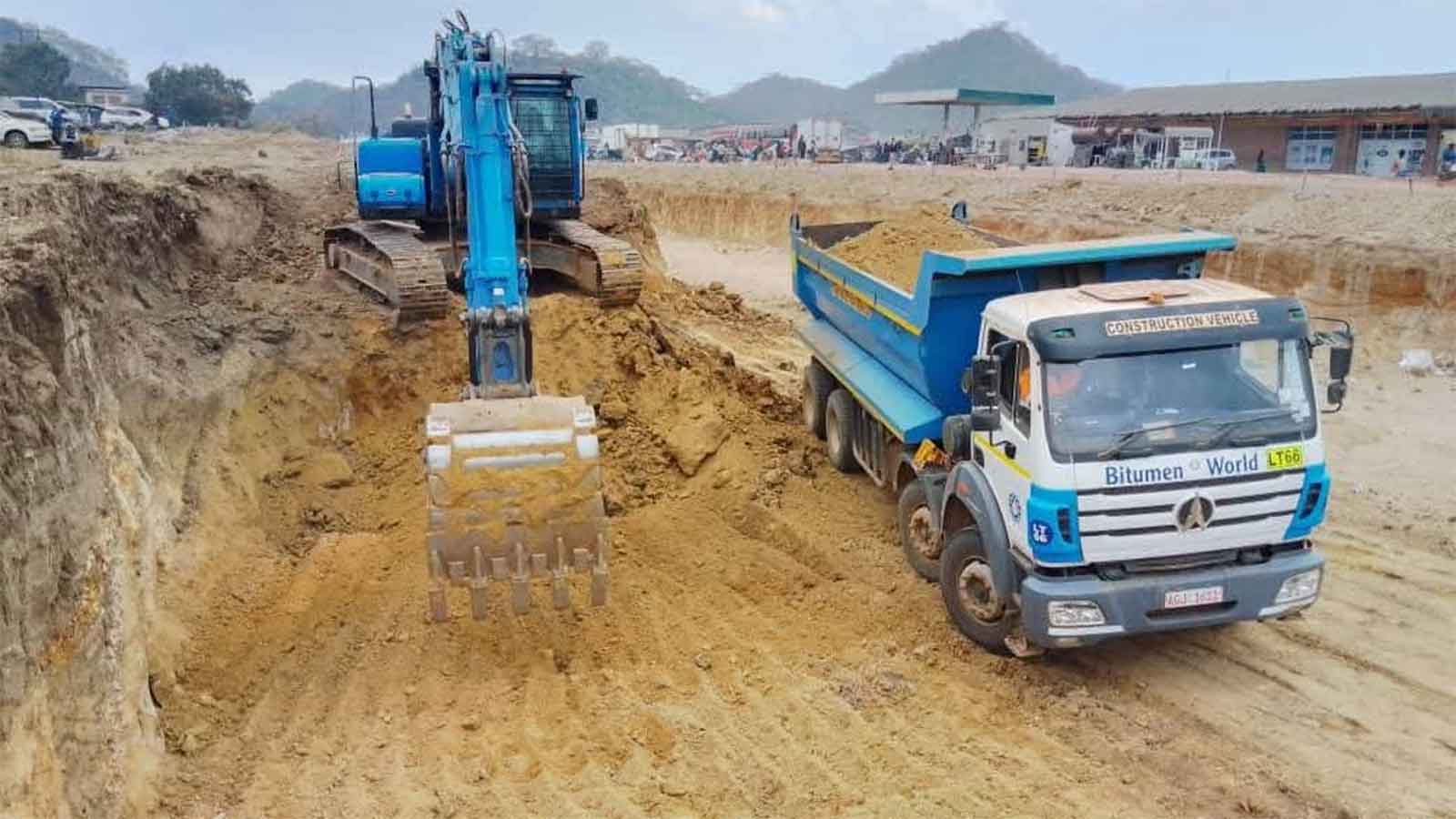
The rehabilitation and construction of roads have become a defining feature of the period since 2017.
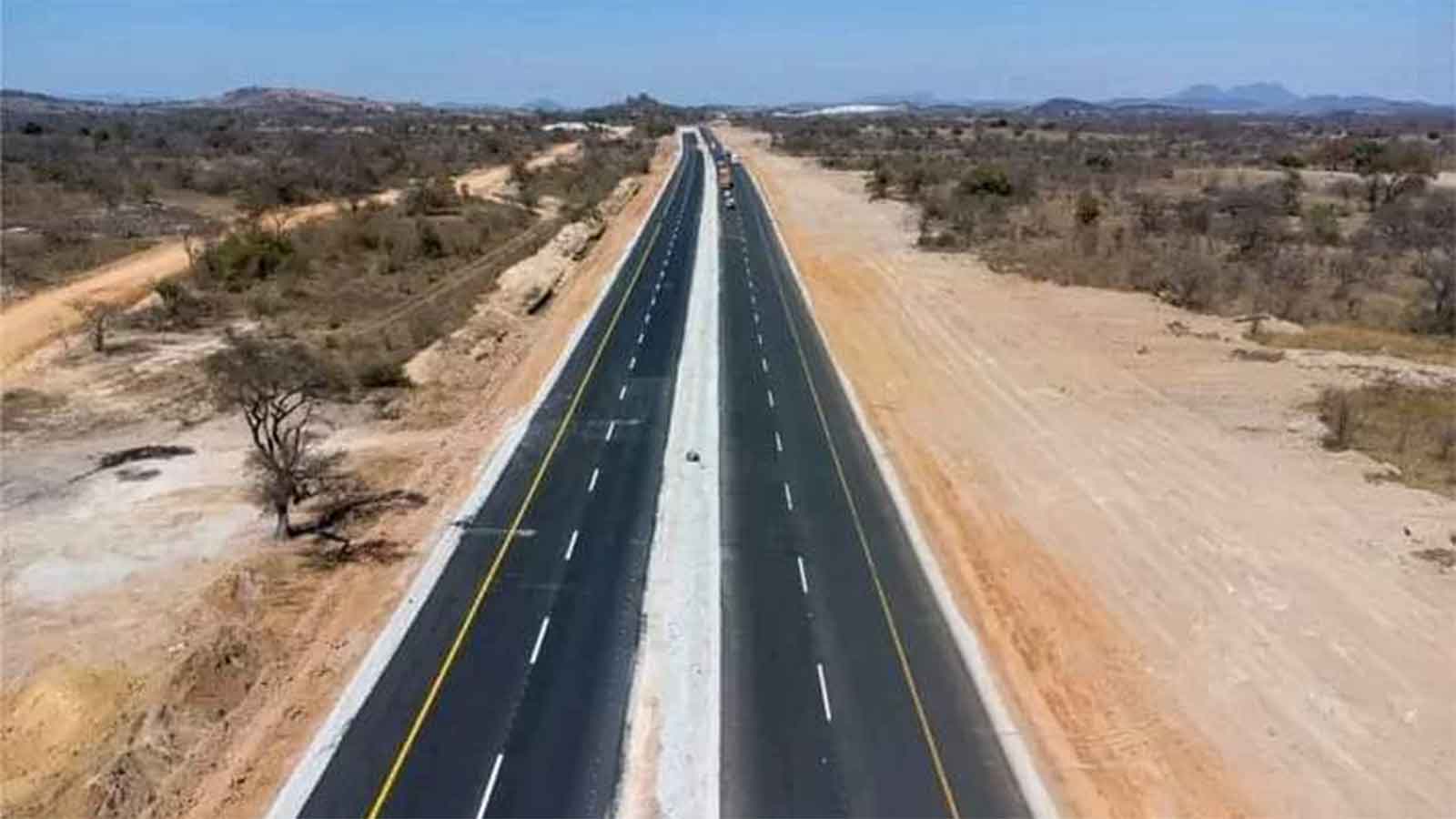
The Emergency Road Rehabilitation Programme, alongside major projects such as the Harare-Masvingo-Beitbridge highway, the Harare-Chirundu highway and the Bulawayo-Victoria Falls highway, has sought to restore Zimbabwe’s road network while improving the movement of people and goods.
But the significance of these investments extends well beyond transport.
A road is an economic artery because it connects farmers to markets, workers to employment, businesses to customers and communities to schools and hospitals.
A rehabilitated highway reduces travel times and vehicle operating costs, while improving Zimbabwe’s position as a regional trade corridor.
The Harare-Masvingo-Beitbridge highway and the Harare-Chirundu highway are particularly strategic because they form part of the north-south corridor connecting Zimbabwe with the wider Southern African region.
The Beitbridge Border Post modernisation has complemented this infrastructure drive by seeking to improve the movement of people and cargo through one of the country’s most important gateways.
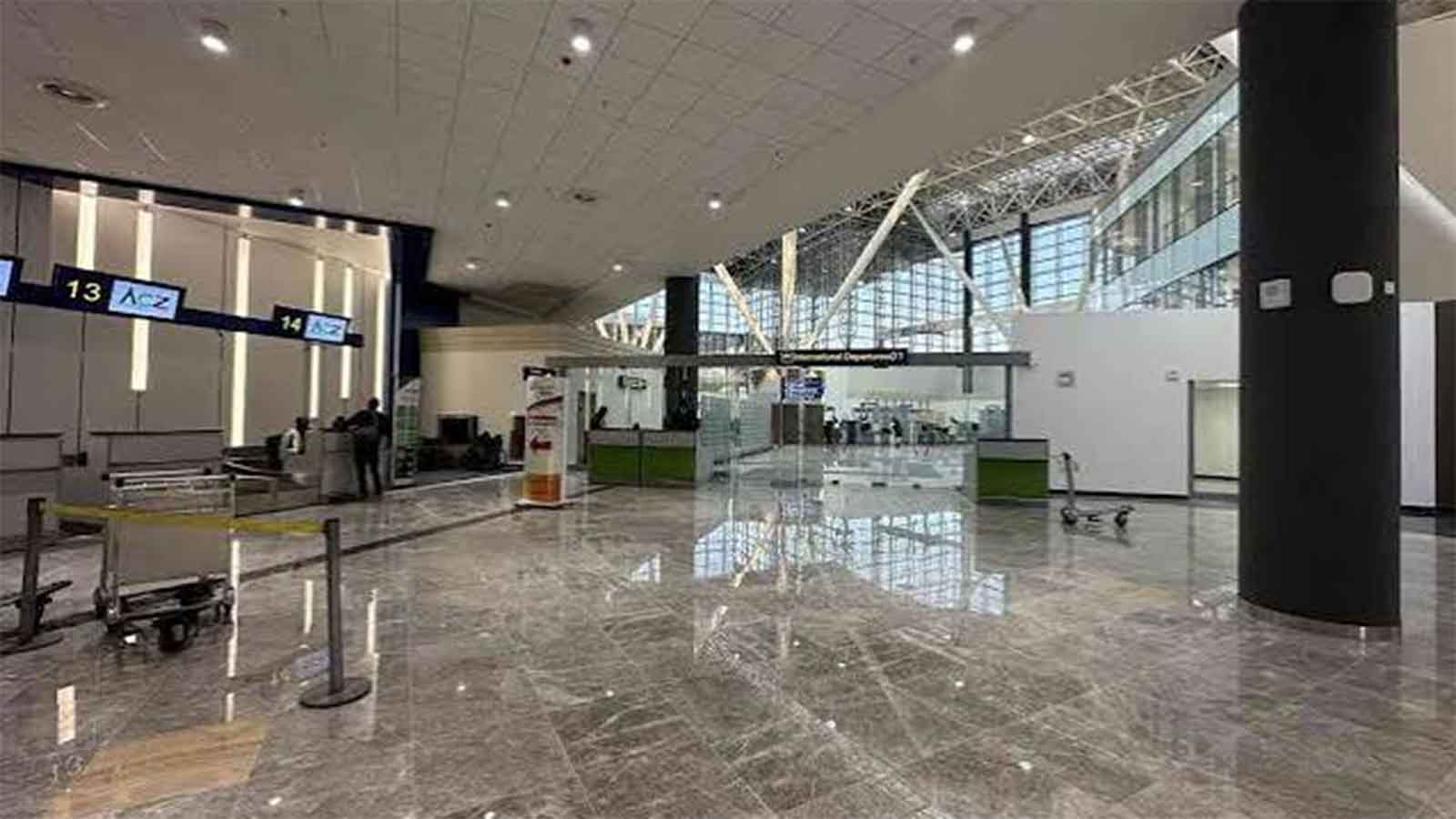
The same development philosophy is visible in the expansion of the Robert Gabriel Mugabe International Airport.
The US$153 million expansion was commissioned in 2023 and increased the country’s aviation capacity, strengthening Harare’s role as a regional gateway.
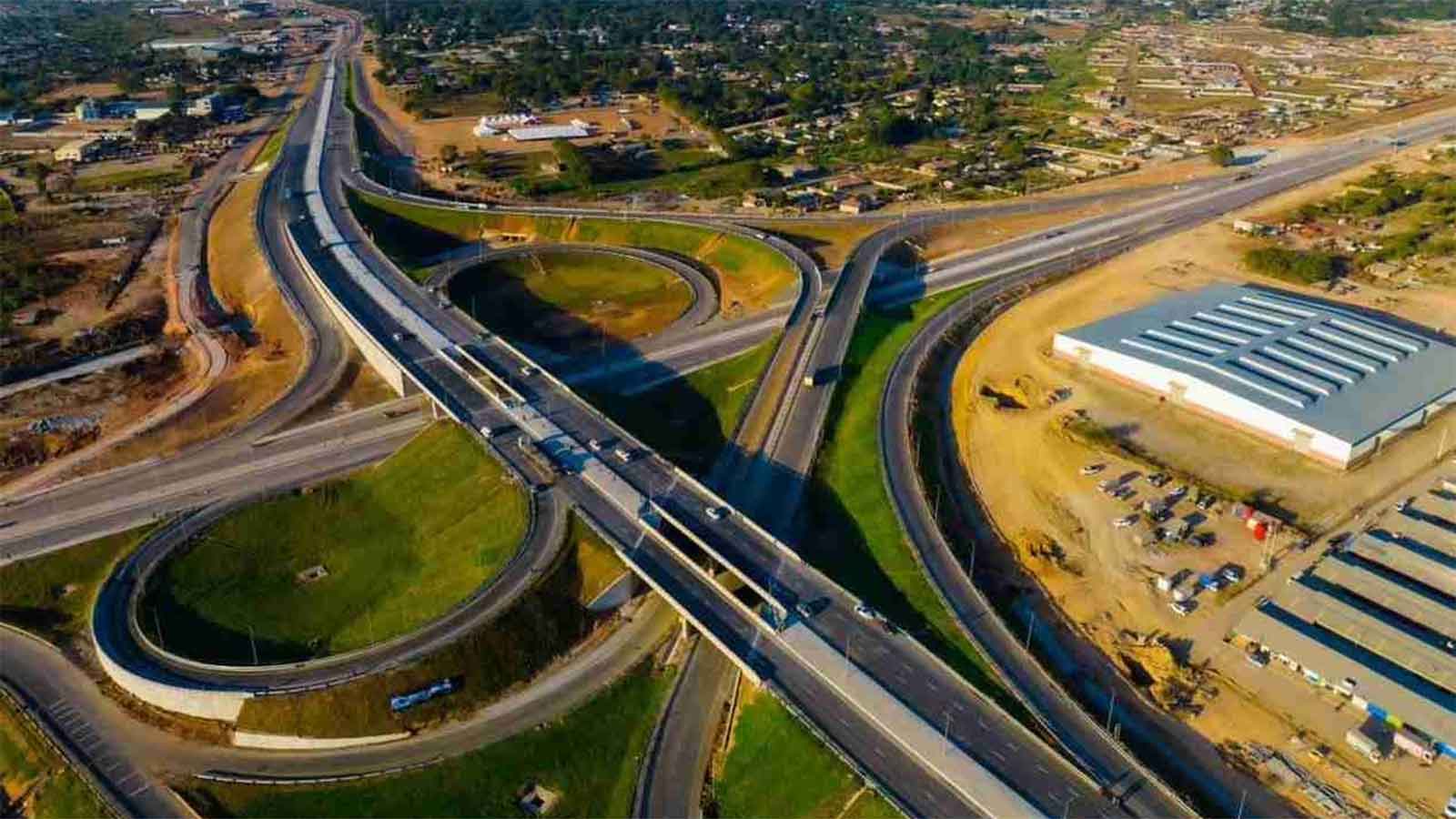
The completion of the Trabablas Interchange in 2025 provides another example of infrastructure designed to address contemporary urban transport pressures.
These are not simply construction projects, they are investments in economic efficiency by the Second Republic under President Mnangagwa.
Energy as the foundation of industrialisation
No country can industrialise without reliable energy supplies.
Zimbabwe’s power shortages have historically constrained manufacturing, mining, agriculture and small businesses.
The decision to expand Hwange Thermal Power Station through Units 7 and 8 was, therefore, one of the most consequential infrastructure interventions of the Second Republic.
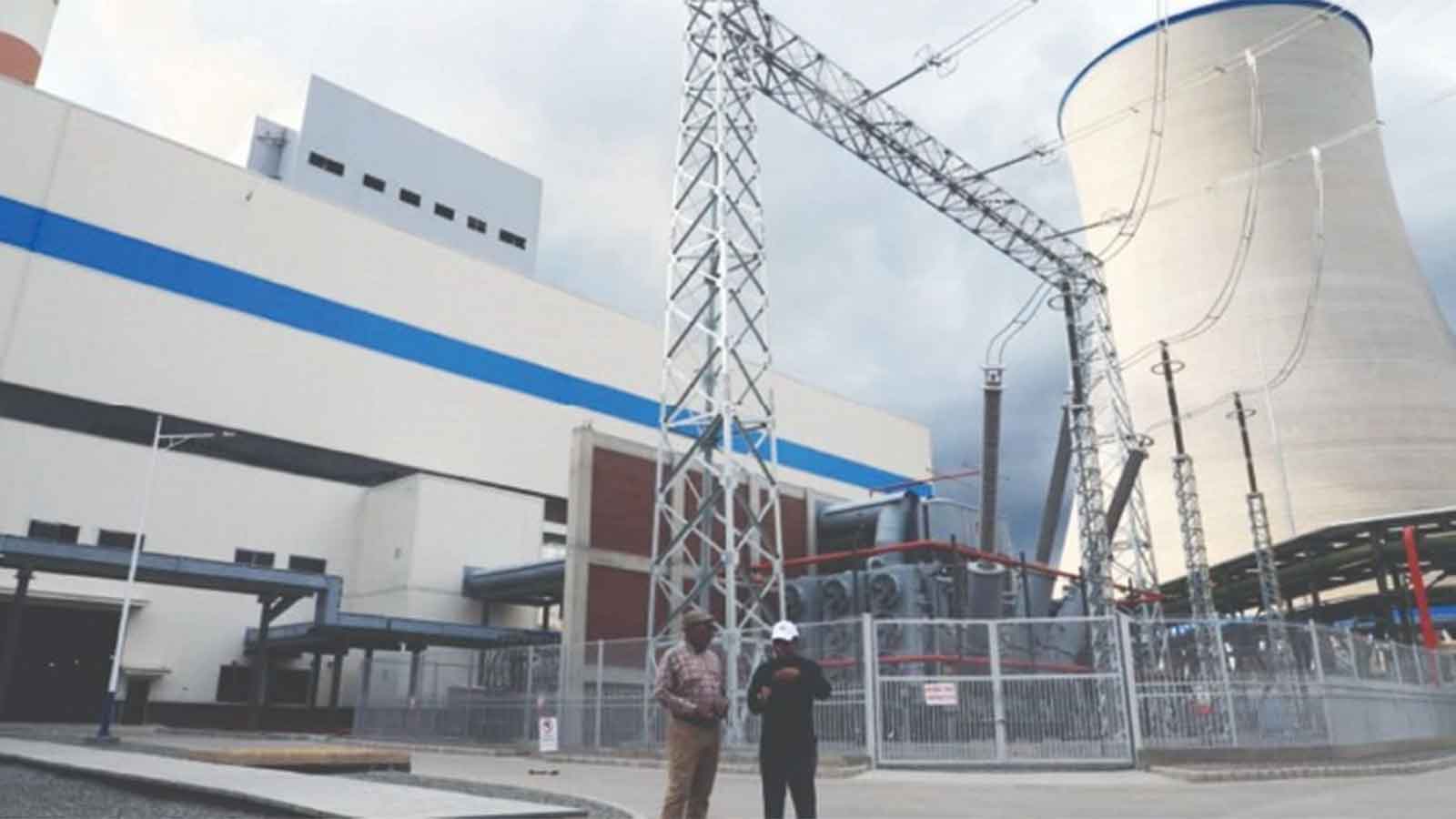
The two units, commissioned in 2023, added about 600 megawatts to the national grid, and that additional generation capacity represents more than electricity.
It creates the possibility of expanding production, supporting mines and factories, powering irrigation systems and enabling businesses to operate more reliably.
The broader energy agenda is also increasingly looking towards renewable sources, transmission infrastructure and rural electrification. This is particularly important because development must not remain concentrated in major cities.
Electricity in rural communities can support irrigation, agro-processing, refrigeration, welding, information technology, small manufacturing and other productive activities.
In this sense, rural electrification should increasingly be viewed as a deliberate and strategic move by the Second Republic in its industrialisation programme rather than merely a social service.
Agriculture: from subsistence to productivity
Agriculture has also been placed at the centre of President Mnangagwa and the Second Republic’s development agenda.
The introduction and expansion of the Pfumvudza/Intwasa programme represented an address of the vulnerability of smallholder farmers by promoting intensive production on smaller plots supported by inputs and appropriate agronomic practices.
The policy thinking behind the programme is significant: Zimbabwe cannot secure food security by depending solely on large-scale commercial agriculture.
Millions of smallholder farmers must become productive participants in the national agricultural economy.
The Second Republic has also invested heavily in dams and irrigation.
Projects such as Gwayi-Shangani and Kunzvi are intended to strengthen water security, while irrigation development is critical in reducing the dependence of agricultural production on increasingly unreliable rainfall patterns.
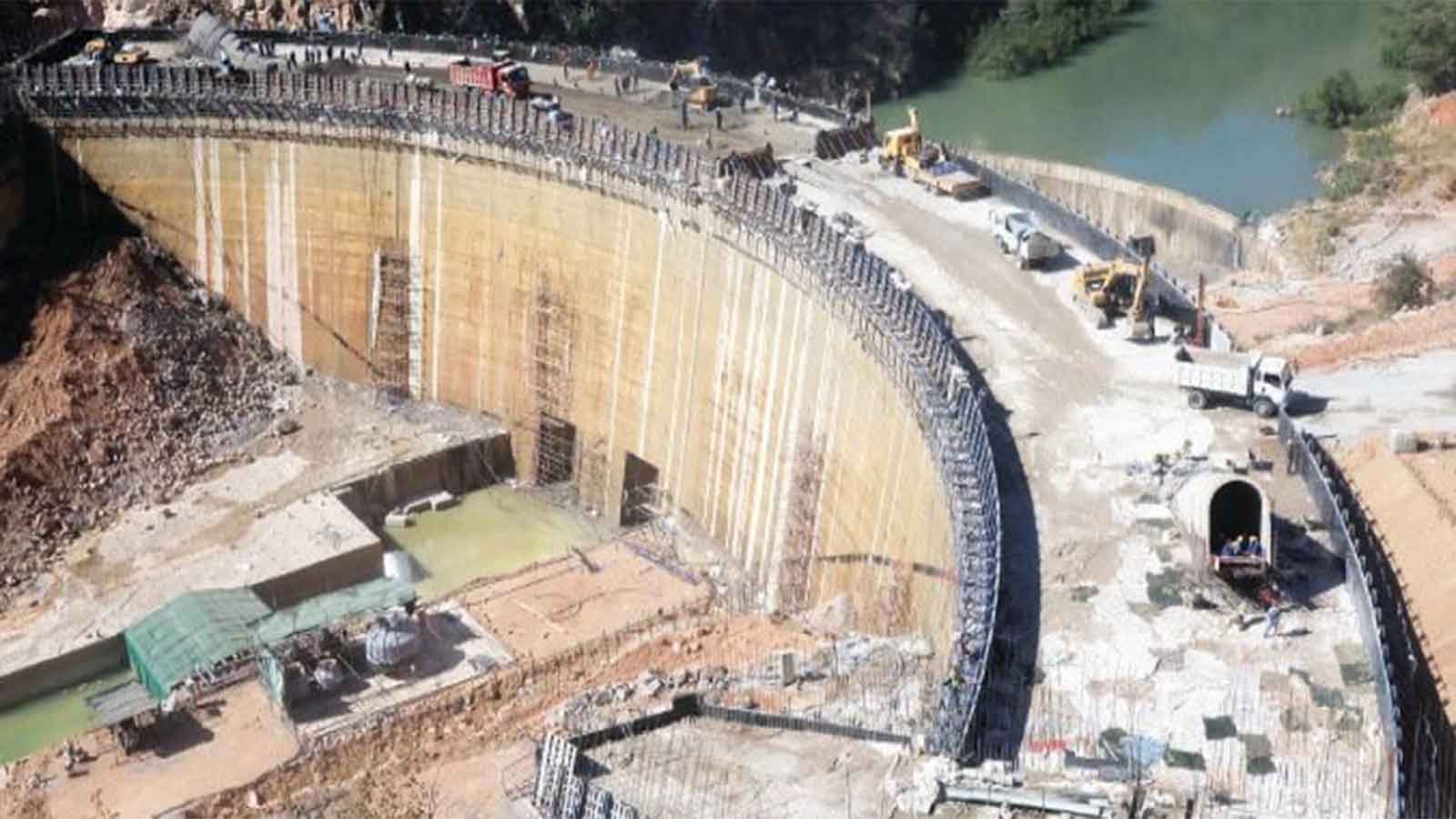
The NDS2 explicitly identifies climate-proofing agriculture, sustainable irrigation, modern storage infrastructure and integrated land and water management as priorities.
The implications are profound.
A farmer with reliable water can move from survival agriculture towards commercial production. A community with irrigation can produce beyond the rainy season.
A country with adequate grain storage can reduce post-harvest losses and improve food security.
Agricultural development, therefore, has to be understood as a complete value chain, from seed and irrigation to production, storage, processing, packaging and export.
Industrialisation and beneficiation
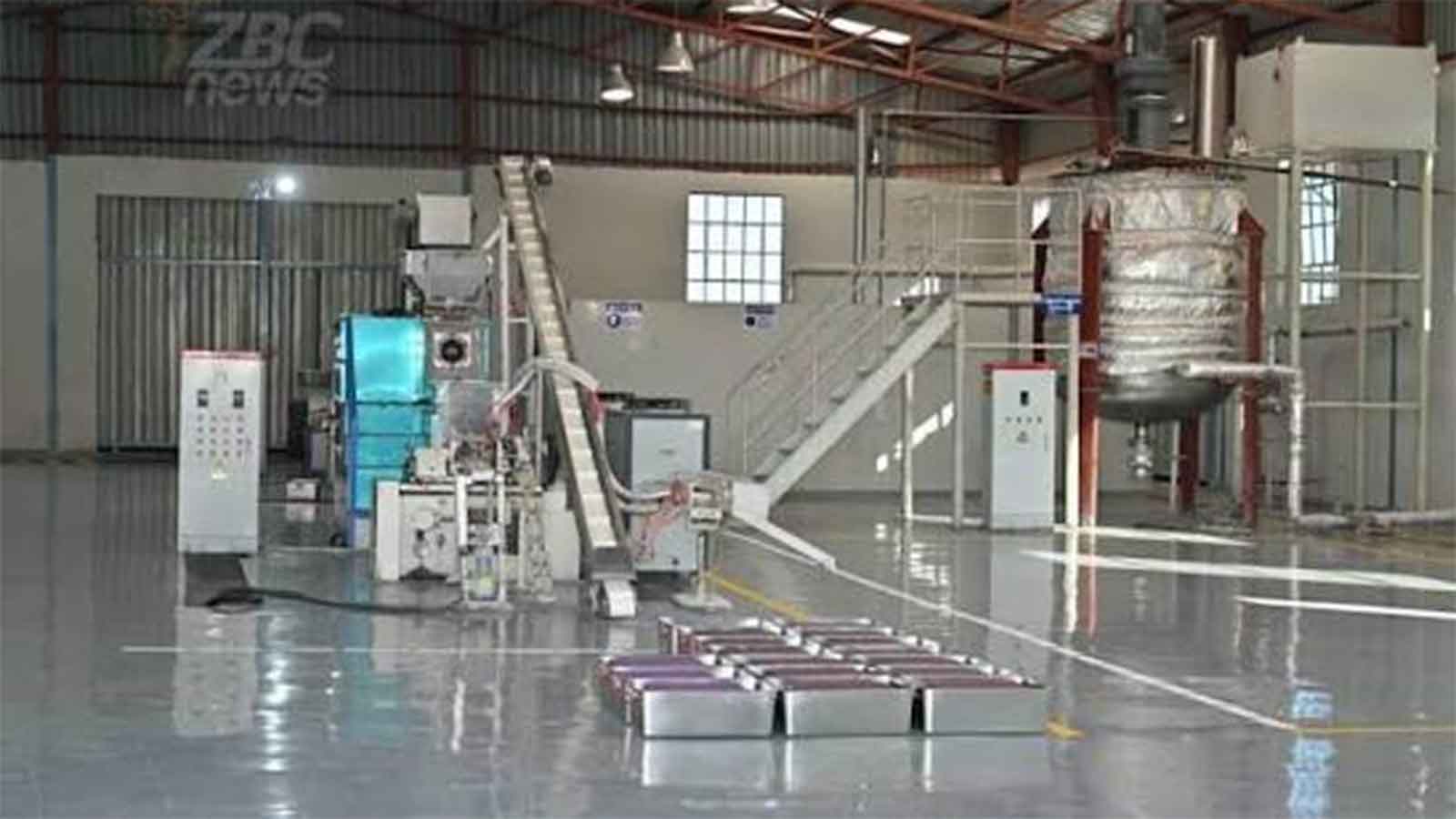
One of the strongest policy shifts of the Second Republic has been the emphasis on value addition and beneficiation.
Zimbabwe is endowed with gold, lithium, platinum, chrome, nickel and other minerals.
Historically, much of Africa’s mineral wealth has been exported with limited processing, leaving producing countries with a relatively small share of the value generated further along the industrial chain.
The current policy direction seeks to change that model.
The emphasis on mineral beneficiation, together with investment in lithium processing and other mining value chains, seeks to ensure that Zimbabwe increasingly participates in the higher-value stages of production.
The same principle applies to agriculture.
Instead of exporting raw tobacco, cotton, horticultural produce or other commodities wherever possible, Zimbabwe must increasingly process, package and manufacture products domestically.
This is how natural resources can be transformed into industrial capacity.
It is also how mining and agriculture can create jobs beyond extraction and farming themselves.
Housing and human settlements
Development is incomplete if citizens cannot access decent housing.
The Second Republic has, therefore, placed housing and human settlements within the national development framework.
Projects have included the resumption of stalled housing developments, construction of accommodation for public-sector workers and urban renewal initiatives.
The housing strategy is increasingly focused on partnerships involving Government, pension funds, banks, building societies and private developers.
NDS2 has set a target of one million new housing units by 2030, with emphasis on sustainable and climate-resilient urban planning.
This is important because housing must be approached as an economic sector rather than simply a welfare programme.
Construction creates employment, while manufacturing building materials creates industrial demand and new settlements require roads, electricity, water, schools, clinics and commercial centres.
Every housing development can actually become a catalyst for local economic development.
Devolution and leaving no place behind
Another defining feature of the development approach has been the emphasis on devolution.
For decades, economic activity and public investment were heavily concentrated in the major urban centres and the result was an uneven development pattern in which some communities remained disconnected from national economic progress.
Devolution seeks to address this imbalance by directing resources and decision-making closer to communities.
The practical meaning of this philosophy is visible in the increasing focus on roads, schools, health facilities, water infrastructure and other projects in previously underserved areas.
The Government’s 2026 Rapid Results programme, for example, recorded projects in Binga, Kanyemba, Siakobvu, Tsholotsho and Nkayi as part of efforts to develop less-developed communities.
A total of 242 projects were implemented during the first 100-day cycle of 2026, with 143 completed by the end of the cycle.
This is development as inclusion because it says that a community’s geographical distance from Harare should not determine its access to national development.
Digital transformation
Perhaps one of the less visible, but potentially most transformative aspects of the development agenda is digitalisation.
The modern economy cannot function effectively without digital infrastructure.
The Second Republic has increasingly invested in ICT infrastructure, digital public services and the development of science, technology and innovation.
The establishment of ICT laboratories in schools, included among the projects implemented during the first 2026 Rapid Results cycle, illustrates the connection between today’s infrastructure investments and tomorrow’s human capital.
Digitalisation can also reduce the cost of doing business, improve public-service delivery, expand access to education and connect rural communities to markets and information.
The ultimate objective should be to ensure that Zimbabwe’s digital transformation is not limited to urban centres, but reaches schools, clinics, farms, small businesses and households throughout the country.
Health and education as development infrastructure
A nation does not develop through physical infrastructure alone.
Hospitals, schools, universities and technical colleges are equally important components of national infrastructure.
The Second Republic’s approach has included the construction and upgrading of health and education facilities alongside physical infrastructure.
The logic is straightforward.
A road may connect a community to a hospital, but the hospital must have the capacity to provide quality services.
A new industrial park may create jobs, but the education system must produce workers with the skills required by industry.
This is why human-capital development has become a central pillar of NDS2, alongside science, technology, vocational training and lifelong learning.
The importance of policy continuity
Perhaps President Mnangagwa’s most important contribution to Zimbabwe’s development agenda has been the establishment of a framework in which development projects are connected to long-term national objectives.
The TSP established the initial recovery framework, NDS1 provided a five-year development programme and NDS2 has now taken the process into the next phase.
NDS2 is focusing on inclusive growth, structural transformation, infrastructure, agriculture, industrialisation, digitalisation, human capital and social development.
This policy continuity matters because major infrastructure projects cannot be completed within the lifespan of a political news cycle.
President Mnangagwa has been consistent, a prerequisite for development.
A development philosophy: Brick by Brick
President Mnangagwa’s repeated call that “Nyika inovakwa nevene vayo” — the country is built by its owners — captures an important aspect of the development philosophy.
It shifts the national conversation from what Government alone can do to what Government, business, communities, workers, farmers and citizens can build together.
The complementary message of building “brick by brick, stone upon stone” also reflects the reality of national development.
Zimbabwe’s transformation cannot depend on one spectacular project.
It must emerge from thousands of interconnected investments, a road here, a dam there, a school in another community, an irrigation scheme elsewhere, a new factory, a housing project, an ICT laboratory and an expanded power station.
Collectively, these projects change the productive capacity of a country.
The work is far from finished
Acknowledging the development gains of the Second Republic should not mean pretending that Zimbabwe’s challenges have disappeared.
They have not.
Infrastructure still requires substantial investment. More roads require rehabilitation and urban water and sanitation remain pressing concerns.
Housing demand remains high, power reliability must continue improving, while more jobs must be created, particularly for young people.
Rural communities still require greater access to productive infrastructure.
The challenge now is to consolidate rather than relax.
NDS2 provides the opportunity to move from infrastructure recovery towards deeper structural transformation.
The next phase should place even greater emphasis on manufacturing, exports, innovation, affordable finance, private-sector investment, urban renewal and employment-intensive development.
Government should also continue strengthening project monitoring to ensure that resources translate into completed projects and measurable improvements in people’s lives.
The development model must increasingly measure success not merely by how much has been spent, but by what that expenditure produces.
A development record that deserves recognition
Nearly nine years after President Mnangagwa assumed office, Zimbabwe’s development landscape is visibly different.
The country has expanded power-generation capacity through Hwange Units 7 and 8, while major roads are being reconstructed.
A number of airports have been modernized, while border infrastructure has been upgraded.
Dams and irrigation projects are advancing, as are housing programmes.
President Mnangagwa has reorganised agriculture around productivity and climate resilience and the mining policy now increasingly emphasises beneficiation.
Digital infrastructure is expanding, while devolution is taking development projects to previously underserved communities.
The African Development Bank has similarly characterised the infrastructure programme as spanning energy, water, transport, ICT and rural development, with the objective of modernising Zimbabwe’s economic foundation.
Taken together, these interventions reveal that the Second Republic has placed development firmly at the centre of its governing agenda.
The most important question now is not whether Zimbabwe should develop.
It is how rapidly the country can convert these investments into sustained productivity, employment, industrialisation and improved living standards.
That is the next frontier.
President Mnangagwa inherited a country with significant developmental challenges.
His administration has responded with a deliberate programme of infrastructure renewal, agricultural transformation, industrialisation, human-capital development and economic reform.
The results should be assessed critically, honestly and objectively.
But they should also be acknowledged.
Zimbabwe is not building its future through rhetoric alone, it is building through roads, dams, power stations, airports, schools, hospitals, housing projects, irrigation schemes, industrial plants and digital infrastructure.
And the larger lesson of the Second Republic’s development journey is perhaps this: national transformation is not an event. It is a process — planned, financed, implemented and sustained, brick by brick and stone upon stone.
For Zimbabwe, the task now is to ensure that this momentum is maintained, deepened and translated into broad-based prosperity.
Lovemore Chikova is the Deputy Editor of The Sunday Mail with interests in development, strategic communication and the media