

 Online Reporter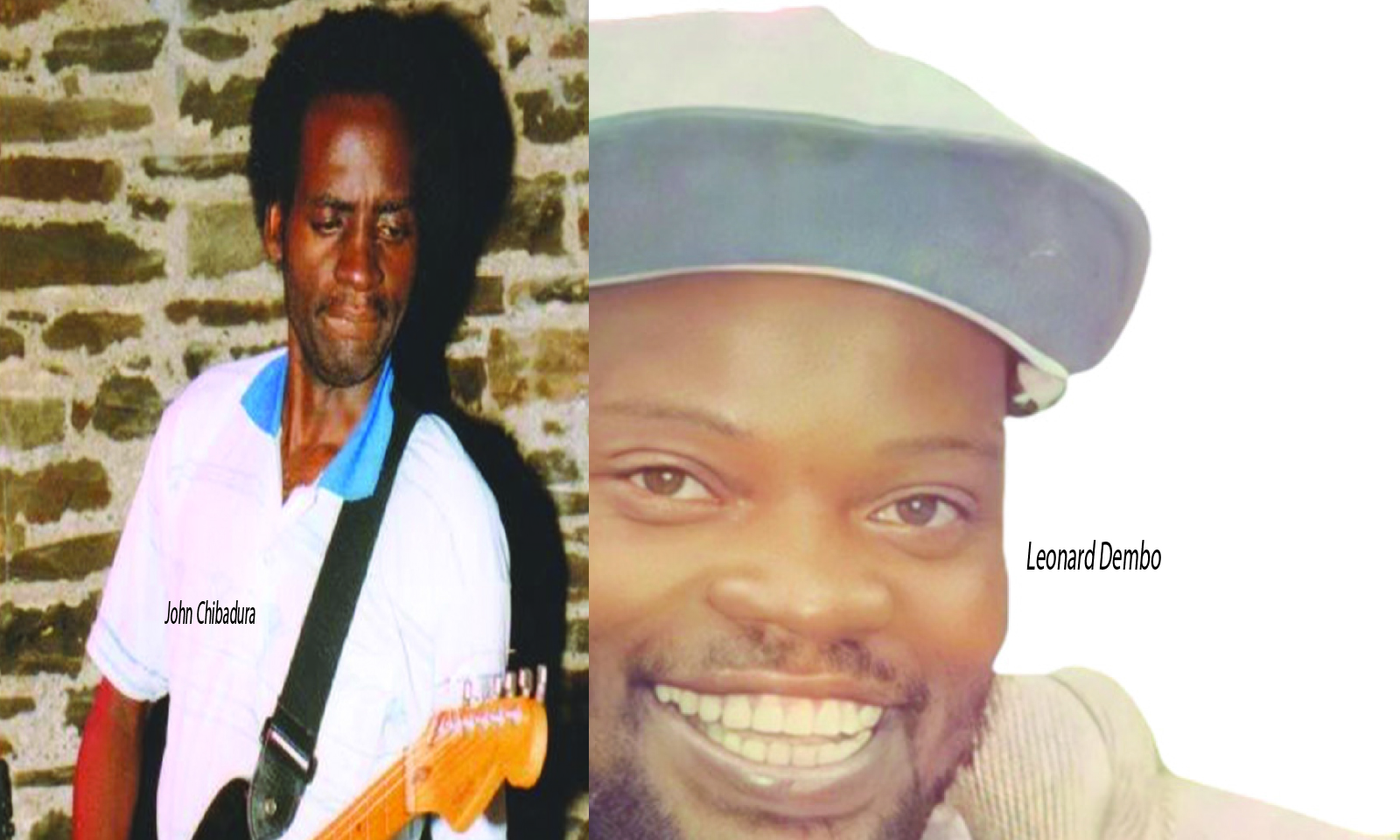
Trust Khosa
Zimpapers Arts and Entertainment Hub
CELEBRATED Zimbabwean musicians, the late John Chibadura and the late Leonard Dembo, were known for their contentious relationship, a rivalry intensified by their significantly different beliefs.
This relationship was well-known among club-goers of their generation, who enthusiastically followed their music.
Despite their differences, both artistes played pivotal roles in popularising Zimbabwean music.
They often performed at various venues during festive seasons, including Uhuru celebrations, Easter, Heroes Day, Defence Forces Day, and year-end celebrations.
As we approach the 45th Uhuru celebrations, a significant milestone in Zimbabwean history, it’s befitting to remember their contributions.
The current generation may recognise some of their iconic songs, including Chibadura’s “Mudiwa Janet” and “Zuva Rekufa Kwangu,” and Dembo’s “Chitekete” and “Venenziya.” Yet their legendary antics are equally deserving of celebration.
Landmine Madongonda, a yesteryear music promoter, recalls how this discord prevented Dembo from sharing the stage with Chibadura.
“Growing up, my father, Douglas Madongonda, and I promoted galas during special occasions like Independence Day and Heroes Day. We resided in Borrowdale, where events were held in places like Kwahood, featuring artistes such as Chibadura, Simon Chimbetu, and Mukoma Ketai. Whenever it was Dembo’s turn to perform, he would ensure that Chibadura was excluded from the line-up,” he reminisced.
Madongonda, who worked as a runner for his late father, witnessed first-hand the tensions between the two artistes when they contracted them for a show in Mutare.
“In 1992, we organised a concert in Mutare where Dembo was supposed to share the stage with Chibadura. We paid Dembo $16 000 while Chibadura received $8,000, and Tuku earned $300 for his performance.
“To our shock, Dembo refused to come to Mutare upon learning that Chibadura was also on the bill. He sent his manager, Mr Makwiramiti, to return the payment we had given them,” he said.
The situation escalated when news broke that Dembo would not be performing, leading to the hiring of anti-riot police to manage the crowd at Sakubva Stadium.
“We incurred significant losses because we had invested heavily in marketing, and it was too late to make alternative arrangements,” Madongonda lamented.
Despite the rivalry, Madongonda maintained amiable relationships with both musicians.
“I never had issues with either Dembo or Chibadura; we understood they were not on good terms. Dembo was quite shy, but we got along well, even though I was younger. Chibadura, on the other hand, was incredibly loyal and was a major crowd-puller, comparable to Alick Macheso today,” he reflected.
His unique position allowed him to observe the complexities of their interactions, revealing the intricate dynamics of their personalities and beliefs. In addition to his insider perspective, Madongonda credits Dembo and Chibadura with teaching him how to play the guitar.
“I can safely say that Dembo taught me the most about music,” he noted.
Their influence on his musical journey left an indelible mark, highlighting the paradox of their rivalry and the connections they fostered within the music community.


