admin
admin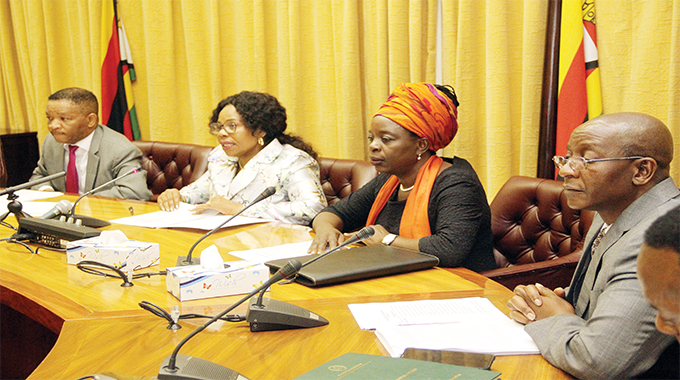
Stephen Mpofu
“They cry holding their shaking, beleaguered heads in their hands and that for us is nothing but sweet music.”
The above, is for want of stronger phraseology, the probable check response by some profit-crazy Zimbabwean businesses to Government’s outcry against their wanton price increases which literally amount to skinning the poor public alive.
A few days ago the Government through its Minister of Information, Publicity and Broadcasting Services, Cde Monica Mutsvangwa, charged businesses with randomly pegging the prices of their commodities based on movements in the exchange rate instead of on inflation trends.
A silent message embedded in recent public outcries against rampant price increases would appear to imply that those paid and invested with power sleep on the job instead of ensuring that commerce and industry nurse the geese that lays the golden eggs for them — the public at large; otherwise why do the traders appear stubbornly to keep fingers shoved in their ears?
With the world set to converge on Bulawayo for the International Trade Fair due to begin on April 23, authorities have already warned businesses in the city, especially hotels, against random price increases to try to cash-in on participants and other visitors to the fair.
However, with the tendency by some members of the business community in this country to thumb their noses at genuine concerns by the State, the warning will no doubt have fallen on deaf ears.
For instance take (yes, you) the defiance by some businesses in Bulawayo that sell a loaf of bread prices $RTGS 2,50 when not so long ago the public was informed that a loaf of would now cost less than $2.
Now, with Government’s attention focused more on bringing relief to Cyclone Idai victims in Chimanimani, Chipinge and parts of Masvingo province, errant businesses are likely to resort to more mischief-making with the prices of their goods unless a remedy is found and this can only be in the form of punitive sanctions against businesses that defy Government price controls — those skinned alive but not left dead will take their hard earned cash to the parallel market for foreign currency and then join the bee-line for cross-border shopping with the knowledge that they will bring back home more goods than what their money would buy locally.
What the cross-border shopping spree means is that deprived of its deserved lifeblood, the Zimbabwean economy already on a limp, will suffer more grievous harm due to illegal Western sanctions.
What is more, potential direct foreign investors to whom the rampant corruption in our country is an allergy, will follow the movement of buying power out of this country to neighbouring states and invest their money there.
When investors change their minds about bringing their cash to our country the ease-of-doing-business concept vigorously being pursued by our Government will obviously crash flat on its face, while the parallel market blossoms thanks to Zimbabwean shoppers who bolster the economies of our neighbouring states.
What the above clearly suggest is that a paradigm shift by Zimbabwean businesses is long overdue; otherwise a cat-and-mouse relationship between the State and the business community, something clearly undesirable, will continue to be the order of things while the economy bleeds mortally.
For instance news that Government has set aside large sums of money to cushion civil servants against economic woes is sure to see a frenzy in price hikes by businesses eager to cash in on the bonanza, unless Government reins in errant businesses.



 Online Reporter