Online Reporter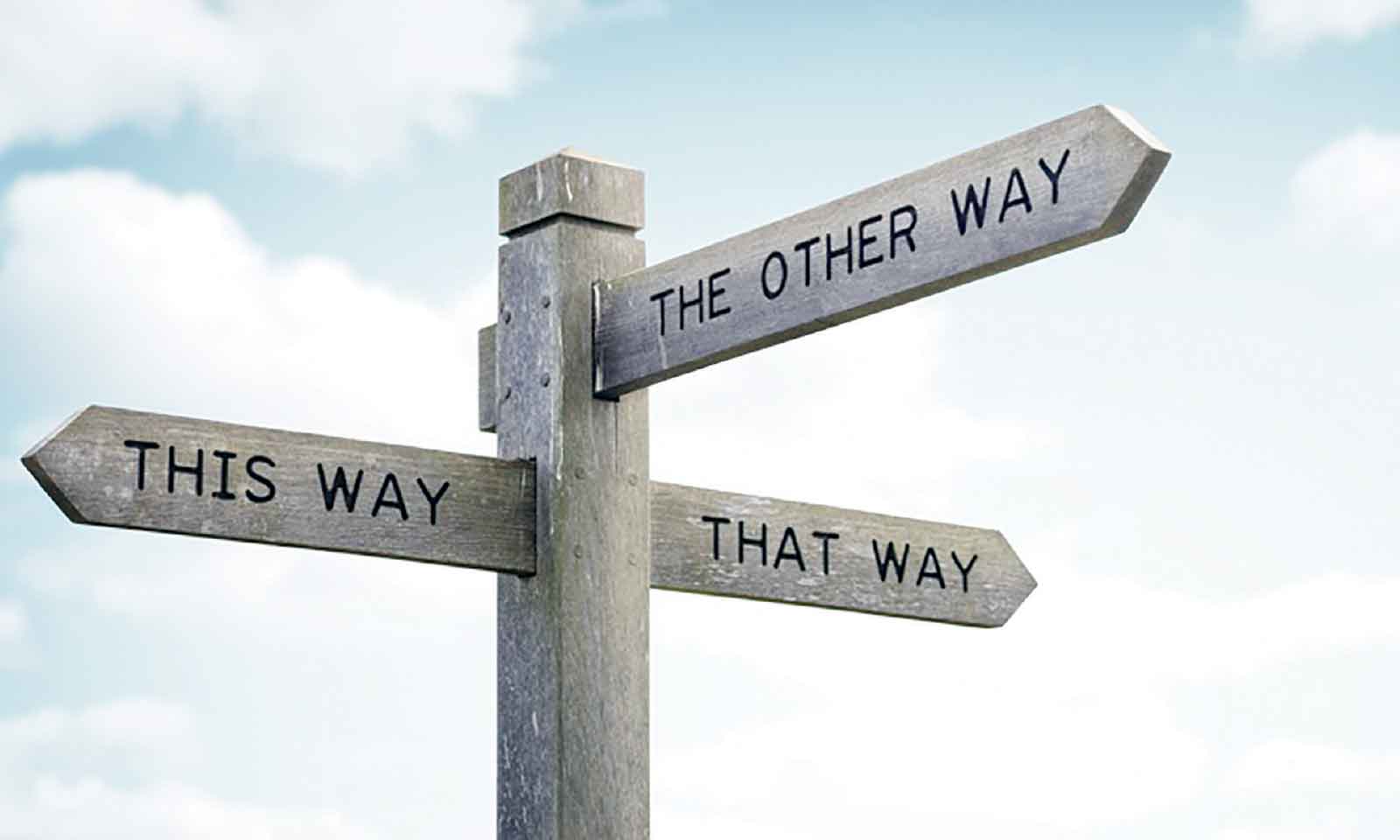
Arthur Marara
Point Blank
As we approach the final quarter of 2025, a subtle but significant shift is occurring in workplaces, homes, and individual psyches across the country.
After years characterised by adaptation and endurance, a growing movement is emerging—one that seeks to move beyond mere survival toward intentional thriving.
This transition represents more than just a change in productivity strategies; it’s a fundamental reimagining of how we approach our time, energy, and aspirations.
The Survival Spiral: Recognizing the Modern Hamster Wheel
Many of us have become unwitting residents of what psychologists term “the survival spiral”— a state of constant reactivity where days blur into weeks, energy reserves deplete faster than they replenish, and the future appears as a fuzzy, distant concept.
This state isn’t a personal, failing but a natural human response to sustained pressure, uncertainty, and information overload.
“The survival mode is our brain’s ancient protection mechanism,” explains Dr Eleanor Vance, cognitive psychologist at the Institute for Human Flourishing.
“When we perceive continuous threats—whether financial, professional, or social — we default to short-term thinking. The problem emerges when this temporary state becomes our permanent residence.”
This perpetual survival mode manifests in tangible ways: decision fatigue, diminished creativity, strained relationships, and that pervasive feeling of running faster while falling further behind.
The Thriving Mindset: Planting Your Flag on the Peak
Thriving, in contrast, isn’t about eliminating challenges but transforming our relationship with them. It represents a shift from reactive to proactive, from pressure-driven to purpose-fuelled, from endurance to engaged resilience.
Imagine the difference between a silhouette trapped on a hamster wheel and one standing confidently on a mountain peak, surveying a sunrise-lit horizon with clarity and calm.
“Thriving isn’t a destination you arrive at,” notes leadership coach Marcus Thorne, author of The Intentional Growth Framework.
“It’s a direction you choose daily. It’s the quality of engagement you bring to your work, relationships, and personal development. Where surviving asks ‘How do I get through this?’, thriving asks ‘How can I grow through this?’”
This mindset shift requires acknowledging that while we cannot control every circumstance, we maintain sovereignty over our responses, priorities, and daily practices.
The Art of the Strong Finish: Building Momentum for What’s Next
How we conclude one chapter profoundly influences how we begin the next. A strategic, intentional finish to 2025 can generate momentum that propels us into the new year with confidence rather than exhaustion.
“The final quarter isn’t just about wrapping up loose ends,” suggests productivity expert Anika Patel. “It’s a strategic runway for the year ahead. A strong finish provides psychological evidence of your capability and creates positive momentum that carries forward.”
A practical approach gaining traction is the “90-Day Sprint” methodology, which focuses effort on what’s achievable in the remaining quarter:
- The 1-3-5 Framework: Identify one significant goal to complete or advance substantially, three supporting projects, and five essential habits to establish.
- The Release Ritual: Consciously identify one belief, obligation, or pattern that no longer serves you and create a symbolic or practical release.
- The Victory Log: Document three wins — large or small — each week to combat the brain’s natural negativity bias and build evidence of progress.
“This isn’t about frantic last-minute effort,” Patel clarifies. “It’s about focused, sustainable execution that creates tangible completion. The goal is to enter December 31st not with relief that it’s over, but with satisfaction at what you’ve accomplished.”
Designing 2026: From Resolution to Revolution
Hope alone rarely transforms aspiration into reality. The bridge between wishing and achieving is intentional design — a conscious architecture for the year ahead.
“A hopeful future must be built, not just imagined,” observes organizational strategist David Chen. “Without design, we default to whatever demands shout loudest. With design, we create space for what matters most.”
Effective year design moves beyond traditional resolutions toward a holistic framework built on four pillars:
- Energy & Vitality (The Foundation)
- Growth & Mastery
- Connection & Contribution
- Creation & Impact
Rather than creating vague aspirations (“get healthier,” “advance my career”), the most effective planners focus on building systems—repeatable practices that make desired outcomes inevitable. Research from the American Psychological Association supports this approach, showing that process-focused goals yield 42 percent higher completion rates than outcome-focused resolutions.
“The most transformative insight is that we don’t achieve our goals—we become them,” Chen explains. “If you want to write a book, don’t focus on the finished manuscript. Focus on becoming someone who writes regularly. Identity shapes action far more reliably than willpower.”
The Architecture of Thriving: Systems Over Willpower
The most significant paradigm shift in personal development in recent years has been the recognition that sustainable change emerges not from heroic acts of willpower but from thoughtfully designed systems.
“Willpower is a finite resource that depletes under stress,” notes behavioural scientist Dr Linh Tran. “Systems, however, operate like autopilot. They remove decision fatigue and make progress automatic. Your morning routine, weekly planning ritual, and communication patterns—these are the invisible architecture of your future.”
A particularly effective system is the “Weekly Anchor Ritual”—a consistent 30-60 minute weekly session to review priorities, plan focus areas, and align activities with deeper values. Studies in implementation intention show that individuals who engage in such regular review are 2.3 times more likely to maintain progress toward long-term objectives.
The Choice Point: Your Path Forward
As we stand at this threshold between what has been and what could be, we each face a quiet but powerful decision: Will we drift into 2026 on the currents of circumstance, or will we navigate with intention?
The thriving transition begins with recognising that between every stimulus and response lies a space — a choice point — where we can pivot from survival reactions to thriving intentions. It continues with the courageous work of finishing what we’ve started with purpose and designing what comes next with hope.
Perhaps the most profound truth in this movement is that thriving is not a privilege reserved for a fortunate few but a practice available to anyone willing to build the daily structures that support it. As the final months of 2025 unfold, the invitation stands: to move not just from surviving to thriving, but from intention to implementation, and from hope to tangible reality.
Arthur Marara is a corporate law attorney, keynote speaker, peak performance and corporate strategy speaker. With his delightful humour, raw energy, and wealth of life experiences, he captivates audiences and inspires them to unlock their full potential. He is also a leadership expert with extensive experience in leadership development and coaching. He is passionate about developing effective leaders and empowering individuals and organizations to achieve their full potential. Through his engaging talks and workshops, he imparts invaluable insights and practical strategies that empower individuals to lead with confidence and make a lasting impact.
Marara is the author of “Toys for Adults” a thought-provoking book on entrepreneurship, and “No One is Coming” a book that seeks to equip leaders to take charge. Send your feedback to [email protected] visit his website www.arthurmarara.
com or contact him at +263772467255.